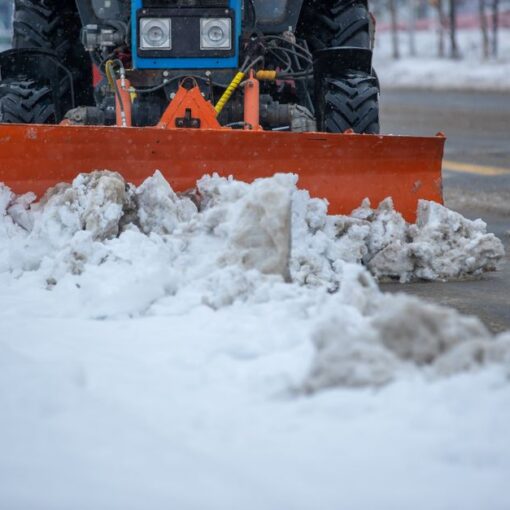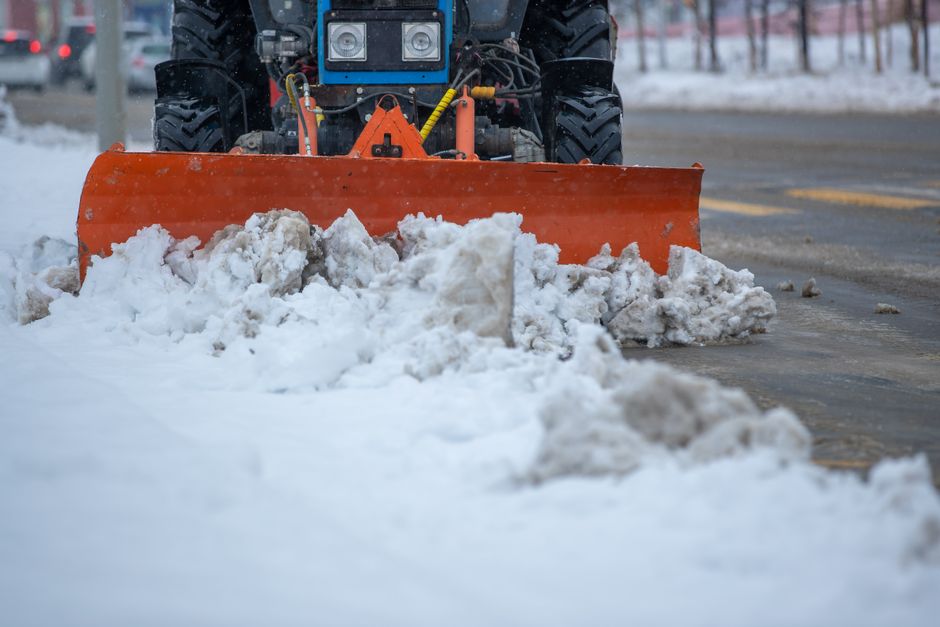
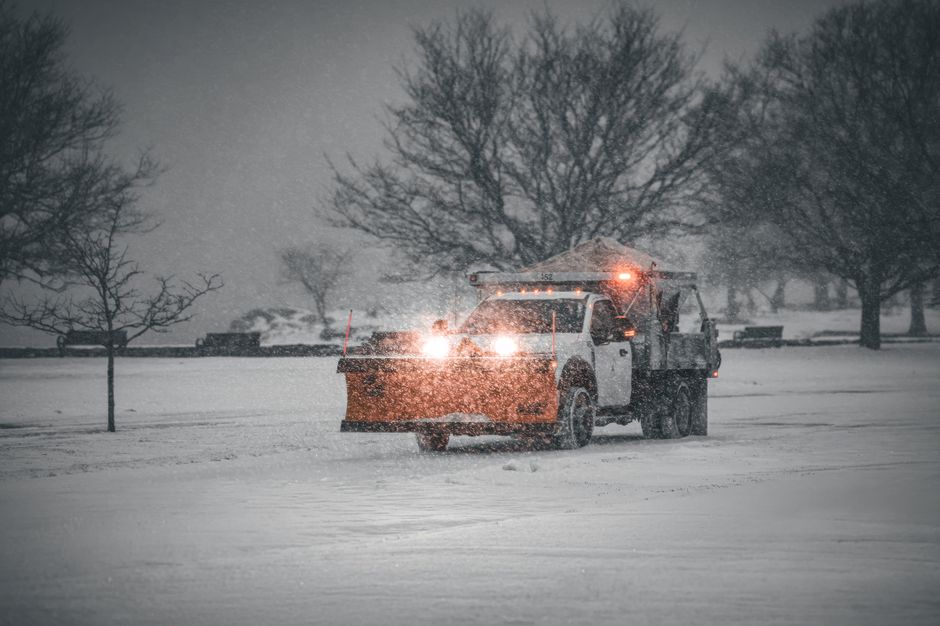
A commercial lot fills up with slush and ice fast in Denver, and the liability clock starts the moment the first customer or tenant steps out of a car. That is why same-day dispatch matters more than almost any other line item in a snow contract. The difference between a crew that arrives at 6 a.m. and one that arrives at 2 p.m. is the difference between a cleared entrance and an insurance claim.
Same-day dispatch is not magic, though. It runs on rules. Some of those rules are set by the city, some are set by the storm itself, and some are set by the property. Understanding all three makes it far easier to know what you can reasonably expect when the forecast changes at 9 p.m. and your parking lot has a 6 a.m. open.
What Same-Day Dispatch Means for a Denver Commercial Property
The phrase gets thrown around loosely by every operator in the metro. For a commercial account, same-day dispatch should mean a request placed during a storm gets a crew assigned to your property and equipment on site before the day ends. It is a commitment about the calendar day, not a vague promise to get there eventually.
Denver snow removal is available around the clock, which is the part that makes a same-day commitment possible in the first place. A 4 a.m. lot clearing for a retail center and an overnight de-icing pass for an office park both sit on the same dispatch board. The board never really closes during a winter event.
For properties inside the Denver County core, response windows of two to four hours are realistic when the request is in the system before the storm arrives. That window is measured from dispatch, not from the first flake.
The Four Rules That Decide Whether You Get Same-Day Service
Every dispatch decision during a winter storm comes down to a short list of checks. Knowing them ahead of time removes most of the frustration property managers feel when they call during a blizzard and hear “we will try.”
You are inside the Denver County routing zone
Routing is the single biggest factor in response speed. A company working only inside City and County of Denver, Glendale, Edgewater, Englewood, East Lakewood, and West Aurora within 10 miles of downtown can keep crews on surface streets and stay out of highway traffic during a storm. Operations that cover the whole front range spend two hours on Interstate 25 before they ever touch your lot. Local routing is why a two to four hour window is achievable here and not in Parker.
Your property is set up before the storm, not during it
Same-day dispatch is a scheduling decision, and scheduling requires a file. A property that has been walked, priced, and added to the route board gets priority over a first-time caller at midnight. If your building has never been serviced, expect the first storm to be an onboarding event rather than a same-day rescue.
The storm allows surface street travel
Heavy snow closes ramps and stalls traffic on the highways, and any crew relying on them is stuck. A service area built around Denver surface streets stays workable in conditions that shut down a commuter route. That is a routing design choice, not luck.
Your site is passable and accessible
Plow trucks and skid steers need somewhere to put snow and a way in. Gates left chained, dumpsters pushed into the drive aisle, or a lot packed with overnight vehicles all turn a 20-minute push into a 90-minute problem. Sites with a designated snow storage area clear faster every single time.
How the Dispatch Clock Runs From Request to Cleared Lot
The sequence below is the standard path a commercial request follows during an active storm. Timelines shift with conditions, but the order rarely does.
- The request is logged with the property address, lot size, surface types, and any priority areas such as ADA stalls and main entrances.
- A route is assigned based on location inside the service area and the order in which properties were queued.
- A crew is dispatched, and the arrival window is set from the time of dispatch.
- The lot is plowed, then walkways, entrances, and stairs are cleared by hand where equipment cannot reach.
- De-icer or ice melt is applied to high-traffic surfaces, especially entries and shaded areas that refreeze.
- Timestamped photos are captured before and after the work and sent to the property contact.
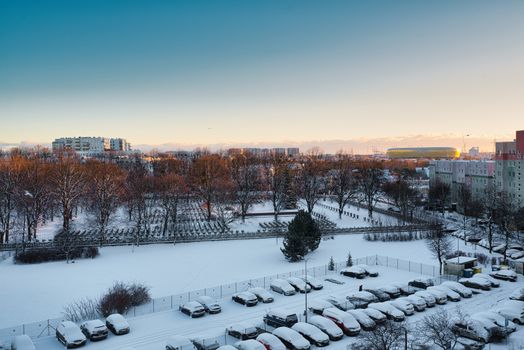
What Denver Requires of Commercial Property Owners
City rules do not disappear because your lot is private. Denver’s Department of Transportation and Infrastructure handles emergency snow response on city streets, and DOTI describes its program as efficient, effective, and fiscally responsible, built around a response plan designed for normal winter conditions. That work covers public roads, not your parking lot or your sidewalk.
Sidewalk responsibility sits with the property. According to the city’s website, in the case of a city-declared snow emergency, residents and property owners have 48 hours to clear their sidewalks. Confirm the current rule and any enforcement details directly with the city before you build a compliance plan around a number you read in an article, including this one.
The city also runs a volunteer program called Snow Angels, which connects volunteers with residents who need help clearing snow. It is reachable at (720) 913-8450 or SnowAngels@denvergov.org, with office hours Monday through Friday, 8am to 5pm. That program is aimed at residents who cannot shovel for themselves and is not a substitute for contracted commercial service on a multi-tenant lot.
What to Get in Writing Before the First Storm
A dispatch promise is only as good as the paperwork behind it. Ask for these details in the contract or service agreement, and read them twice.
- The response window in hours, measured from dispatch rather than from snowfall start.
- The exact service area boundary, including whether your address falls inside Denver County routing.
- Whether service is 24/7 or limited to certain hours.
- The trigger threshold for automatic service, if the account is on a seasonal contract.
- How proof of service is delivered, and how quickly after completion.
- Who to call when the storm arrives, and what the backup contact is.
- Whether de-icing and ice melt are included or billed separately.

Why Photo Proof and GPS Logs Protect Commercial Accounts
Slip-and-fall claims rarely arrive with a witness who remembers the lot conditions. They arrive months later with a demand letter. At that point the only thing that helps is documentation showing when the crew was there, what they cleared, and what condition the surface was in afterward.
GPS tracking confirms the truck was physically on site. Timestamped before-and-after photos show the condition of the lot at arrival and completion. Together they turn a memory into a record. For property managers answering to an owner or an HOA board, that record is often more valuable than the plowing itself.
De-Icing and Ice Melt on Commercial Surfaces
Plowing alone leaves a thin layer that refreezes overnight, and a refrozen entrance is where most winter injury claims originate. De-icing should be part of every same-day dispatch, not an upsell offered after the fact. Ask what product is being applied, because surface and landscape sensitivity varies from one property to the next. Pet-friendly Ice Slicer is a non-corrosive option that works well around entrances, walkways, and landscaping where a harsher product would cause damage.
What Same-Day Snow Removal Costs in Denver
Pricing for Denver County work typically lands in a per-push range of $35 to $85, with the final number driven by lot size, surface area, access difficulty, and the amount of hand work required. Seasonal contracts spread that cost across the winter and lock in priority on the dispatch board.
Per-push pricing keeps things flexible for properties that only need service a handful of times a year. Seasonal contracts make more sense for lots that must open on time no matter what. Either way, ask for the rate structure in writing before the first storm, because pricing negotiated mid-blizzard is never favorable.

Locations We Cannot Reach During a Blizzard
A service area has edges, and it is better to know them now. Denver County only is the rule. That means no travel to Brighton, Centennial, Parker, Castle Rock, Longmont, or Commerce City north, and no reliance on Interstate 25 or Interstate 70 during a storm. Properties outside the boundary should find an operator based closer to them, since a company driving in from elsewhere will face the same highway problem that stops everyone else.
Frequently Asked Questions
How fast can a crew reach a Denver commercial lot in a storm?
For properties already on the dispatch board and located inside the Denver County service area, a two to four hour response window is realistic once a request is logged. First-time requests made mid-storm take longer because the property has to be set up in the system before a route can be assigned.
Do I need a contract to get same-day service?
No, but contracted accounts get priority on the dispatch board. Per-push customers can still request service during a storm, though availability depends on how many crews are already committed. Properties with seasonal agreements are scheduled first because their service triggers are already defined.
Who is responsible for sidewalks at a commercial property in Denver?
The property owner or manager is responsible for clearing adjacent sidewalks. The city’s website states that during a city-declared snow emergency, property owners have 48 hours to clear sidewalks. Verify the current requirement and any fine schedule with the city, since enforcement details can change.
Can you clear lots outside Denver County?
No. Service stays inside City and County of Denver, Glendale, Edgewater, Englewood, East Lakewood, and West Aurora within 10 miles of downtown. Areas requiring highway travel during a blizzard, including Brighton, Centennial, Parker, Castle Rock, Longmont, and Commerce City north, are outside the coverage boundary by design.
What happens if a storm shuts down the highways?
Highway closures are exactly why the service area is built around Denver surface streets. Crews route locally and avoid Interstate 25 and Interstate 70 during storms, so a closure on the interstate does not automatically stop work on your lot. Deep snow can still slow a route, and arrival windows shift accordingly.