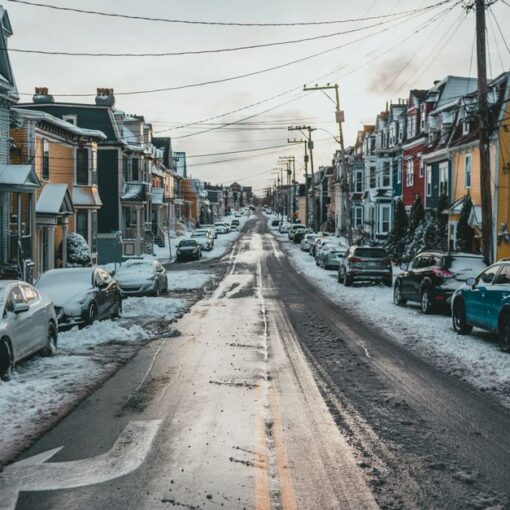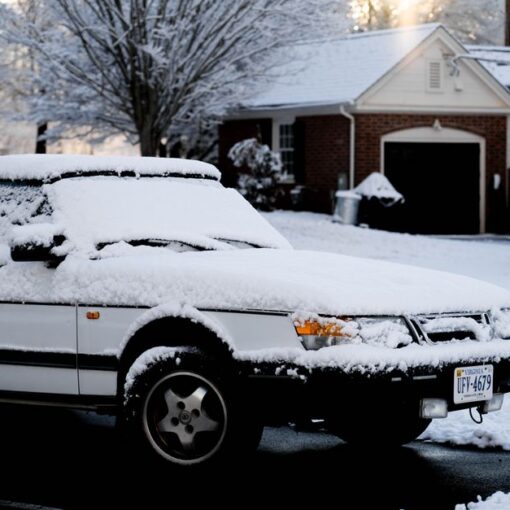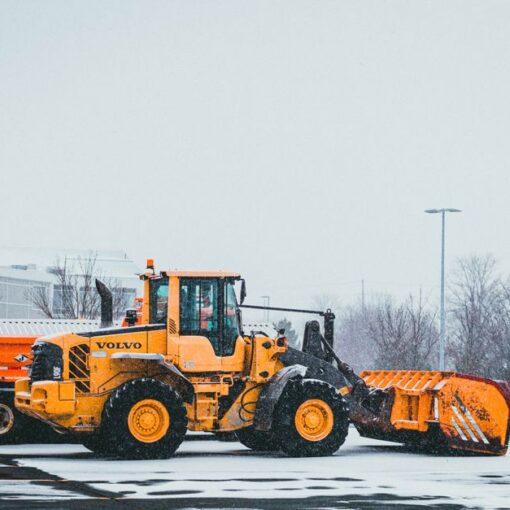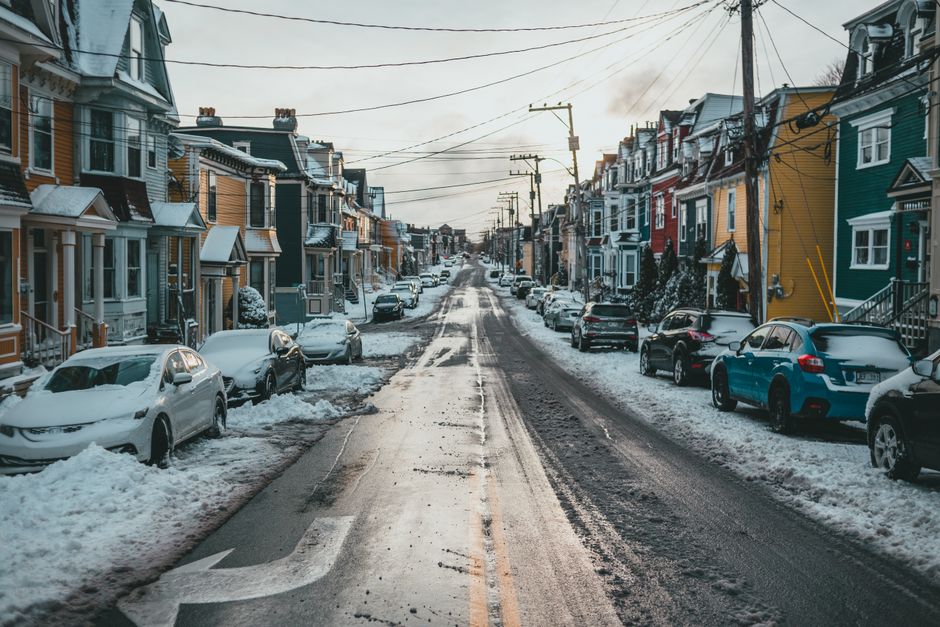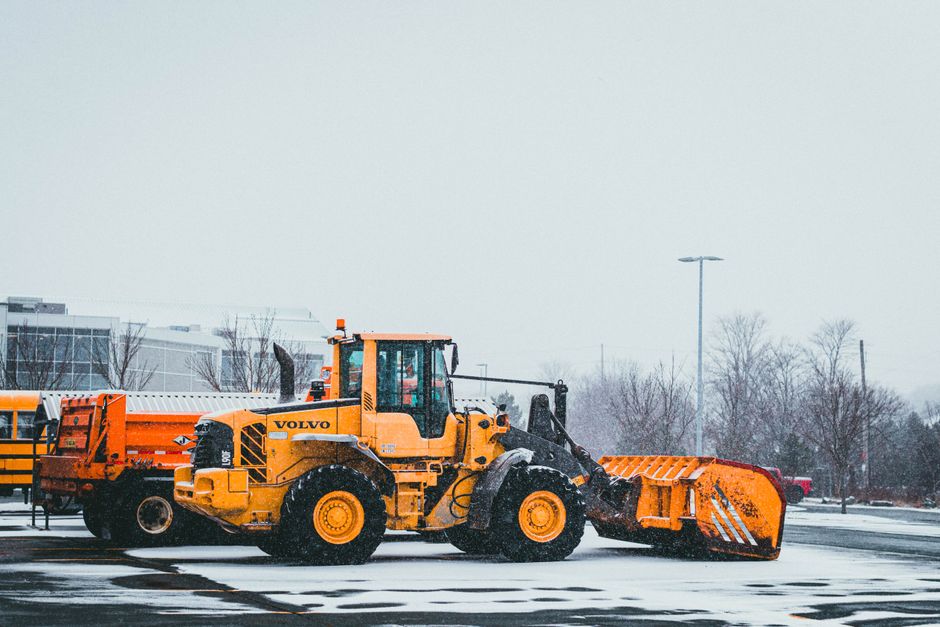

A six inch overnight dump in Capitol Hill or Wash Park turns a normal morning into a decision: shovel it yourself before work, or hope the sun and a warm afternoon take care of it. Most Denver homeowners who hire out do not buy a single pass over the driveway. They buy a defined scope that covers every surface a person, a car, or a delivery driver actually touches. That is what separates a residential snow removal service from a guy with a plow who clears a rectangle and leaves.
Here is a plain breakdown of what full-service clearing includes on a Denver County property, how pricing models typically work, and what documentation you should expect after each visit.
What Full-Service Residential Clearing Includes
A full-service visit treats the whole property as one connected path. The goal is not a pretty driveway. The goal is that nobody slips between the front door and the street, and no vehicle gets stuck at the apron where the plow truck pushed a berm against your approach.
A complete residential clearing scope normally covers these areas:
- The driveway from the garage door or parking pad out to the street line
- The apron, the section where the driveway meets the street, which is where city plows leave the heaviest ridge
- Front sidewalks along the property line
- Walkways leading to the front door, side door, and any gate
- Front porch, front steps, and handrail-adjacent edges
- Back stairs, back decks, and service walks used for trash or deliveries
- De-icing or ice melt applied after clearing on the surfaces people walk on
Anything less than that leaves gaps. A cleared driveway with an icy front step still produces a fall. An iced-over walkway to the alley still stops the trash pickup.
Driveways and the Apron at the Street
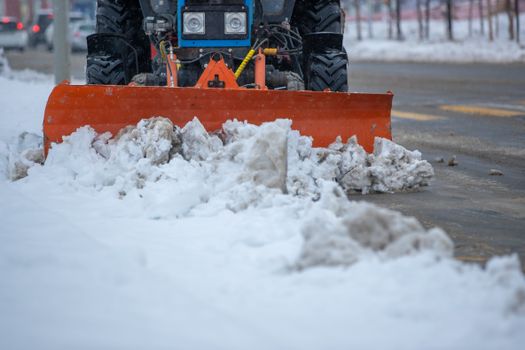
The apron matters more than most homeowners expect. When city plows run the street during and after a storm, they push a compacted ridge across the bottom of your driveway. If that ridge is not cleared after the street is plowed, your car cannot get out without a fight, and the ridge freezes into a solid block that is far harder to remove the next day. A full-service visit that happens before the street plow comes through is not the end of the job. It should be followed by a return pass once the ridge is deposited.
Sidewalks, Porches, Stairs, and Walkways
Walkable surfaces are the safety half of the service. Snow gets cleared edge to edge, not just down the center. Steps get cleared tread by tread, and landings get cleared so the first step off the porch is not the slippery one. Handrail areas and the lip of each tread tend to hold water that refreezes overnight, which is why de-icing after clearing matters as much as the shovel work.
De-Icing and Ice Melt After the Snow Stops
Colorado storms often end with a temperature drop. Wet snow turns to slush, slush turns to ice, and the surface that was clear at 4 p.m. is a hazard at 7 p.m. De-icing is a separate step from clearing, and a residential service that does both is doing the part that actually prevents falls. Material choice matters too, especially on newer concrete and around pets.
What Gets Cleared on a Residential Property
| Surface | What full-service clearing covers | Why it matters |
|---|---|---|
| Driveway | Parking pad, full width, out to the street line | Vehicle access and safe footing for loading kids and groceries |
| Street apron | The ridge left by city plows at the driveway mouth | Prevents a frozen berm from blocking the car |
| Sidewalks | Edge to edge along the property frontage | Pedestrian safety and neighborhood access |
| Porch and steps | Treads, landings, and the first step off the porch | Steps are the most common fall location |
| Walkways and gates | Front, side, and service paths, including trash routes | Deliveries, utility access, and everyday use |
| Ice control | Ice melt applied to walking surfaces after clearing | Handles the refreeze that follows most Denver storms |
How Residential Pricing Usually Works
Published service listings in other markets commonly quote $30 to $70 per hour for clearing a driveway or sidewalk, and that figure often functions as a minimum service charge regardless of how small the job is. Hourly billing with a minimum is a common model nationally, but it can be an awkward fit for a residential driveway, because the time on site varies with the depth and type of snow rather than with the size of the property.
Denver County service through denversnow.com is priced on a per-push basis, in the $35 to $85 range, or as a seasonal contract for homeowners who want the property handled automatically all winter. Per-push works well if you travel, if you are comfortable ordering when you need it, or if you want to see how a season plays out before committing. A seasonal contract works well if you want the driveway clear before you wake up without having to think about it.
Why Denver County Routing Speeds Up Response
Response time is a routing problem, not a staffing problem. A company that covers a wide metro footprint spends storm hours on highways, and highway travel is exactly what slows crews down during a blizzard. The work here is confined to the City and County of Denver, Glendale, Edgewater, Englewood, East Lakewood, and West Aurora within about 10 miles of downtown. Crews run Denver surface streets, which means shorter distances between stops and a typical response window of 2 to 4 hours.
That routing choice also draws a firm boundary. Properties in Brighton, Centennial, Parker, Castle Rock, Longmont, and north Commerce City are outside the service area, as is anything that requires I-25 or I-70 travel during a storm. Saying no to those calls is what makes fast Denver response possible.
Photo Proof, GPS Logs, and Timestamped Records
You should not have to guess whether a crew showed up. Timestamped GPS logs record when a vehicle arrived and left a property, and before-and-after photos show the actual condition of the driveway, walkway, and steps. This matters in three situations: when you are out of town and want confirmation the work happened, when an HOA or insurer asks for a record of ice control, and when you want to check whether a specific area was missed without waiting for the next storm to debate it.

Ice Melt That Is Kinder to Pets and Concrete
Rock salt is cheap and harsh. It burns paw pads, it tracks into the house, and repeated use can damage concrete and landscaping over time. Pet-friendly Ice Slicer and non-corrosive ice melt are the better default for residential properties, particularly on newer driveways and around dogs that go out several times a day. If you have a pet, say so when you sign up so the material used on your walks matches the household.
Seasonal Contract or Per-Push: Which Fits Your Household
Choose per-push if you want control over when the service is triggered and prefer to pay only for storms that actually produce accumulation. Choose a seasonal contract if you would rather have a standing schedule that covers every storm, including the ones that arrive overnight or on holidays. Households with two working adults, young kids, or a family member with limited mobility usually get more value out of the seasonal approach, because the cost of a missed morning is higher than the difference in price.
Both options run 24/7. Storms do not check the calendar, and Denver snow frequently arrives after midnight and clears before sunrise.

Serving Denver County Homeowners
Residential clearing is available to homeowners across Capitol Hill, Wash Park, the Highlands, Cherry Creek, Central Denver, Glendale, Edgewater, Englewood, East Lakewood, and West Aurora. The company behind the service, MileHiSnow, has been family-owned since 1974, is licensed and insured, and operates Denver-owned crews rather than dispatching from out of state. If your property sits inside the service boundary and you want the driveway, walks, porch, and steps handled as one job, that is what the service is built for.
Frequently Asked Questions
How fast can a residential driveway be cleared after a storm?
Typical response is 2 to 4 hours from the time a storm triggers service. Because crews stay on Denver surface streets inside the City and County of Denver rather than running highways between suburbs, travel time between properties stays short. During a heavy, long-duration storm, visits may be sequenced so that critical surfaces are opened first and then revisited.
Will the crew come back after the city plow pushes snow into my driveway?
The ridge that a street plow leaves at the driveway mouth is part of the job, not a separate favor. A full-service visit accounts for the apron, so once the street has been plowed and the berm is deposited, a return pass clears the opening. Without that step, the ridge freezes solid and becomes much harder to remove.
Do I need to be home for snow removal?
No. Service runs 24/7, and most residential work happens while homeowners are asleep or at work. Timestamped GPS logs and before-and-after photos document the visit, so you can confirm the driveway, walkways, porch, and steps were cleared without being on site. Just make sure gates are unlocked and vehicles are not blocking the driveway.
Is the ice melt safe for dogs and for my concrete?
Pet-friendly Ice Slicer and non-corrosive ice melt are used instead of rock salt for residential properties. That combination is gentler on paw pads, less likely to track gritty residue indoors, and easier on concrete and nearby plantings. Let the team know at signup if you have pets so the right material is assigned to your property.
Do you clear properties outside Denver County?
Service is limited to the City and County of Denver, Glendale, Edgewater, Englewood, East Lakewood, and West Aurora within roughly 10 miles of downtown. Brighton, Centennial, Parker, Castle Rock, Longmont, and north Commerce City are outside the boundary, along with any location requiring I-25 or I-70 travel during a storm. Staying inside that footprint is what keeps response times fast.