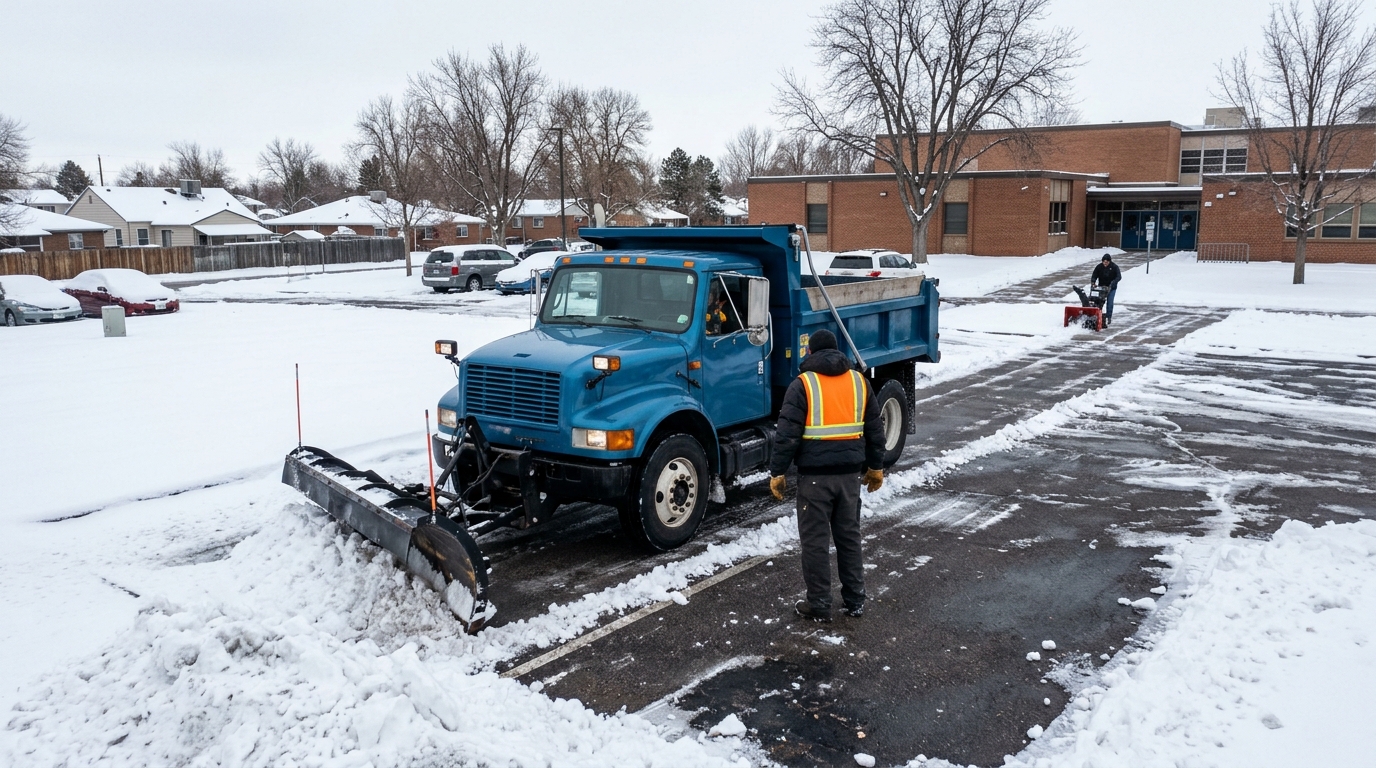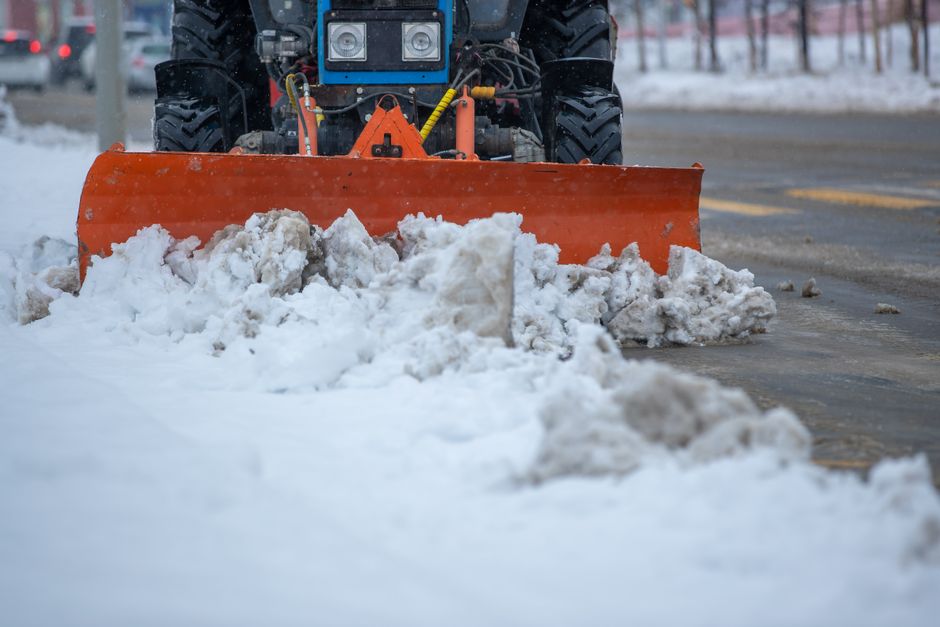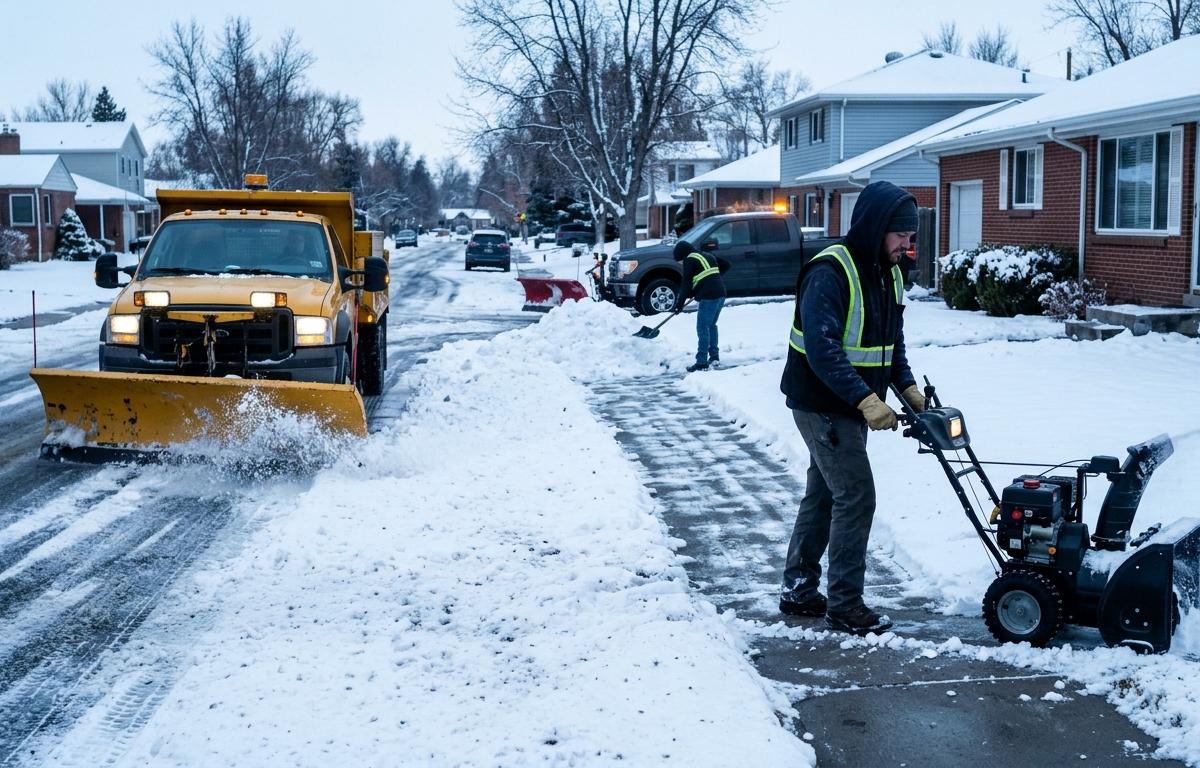
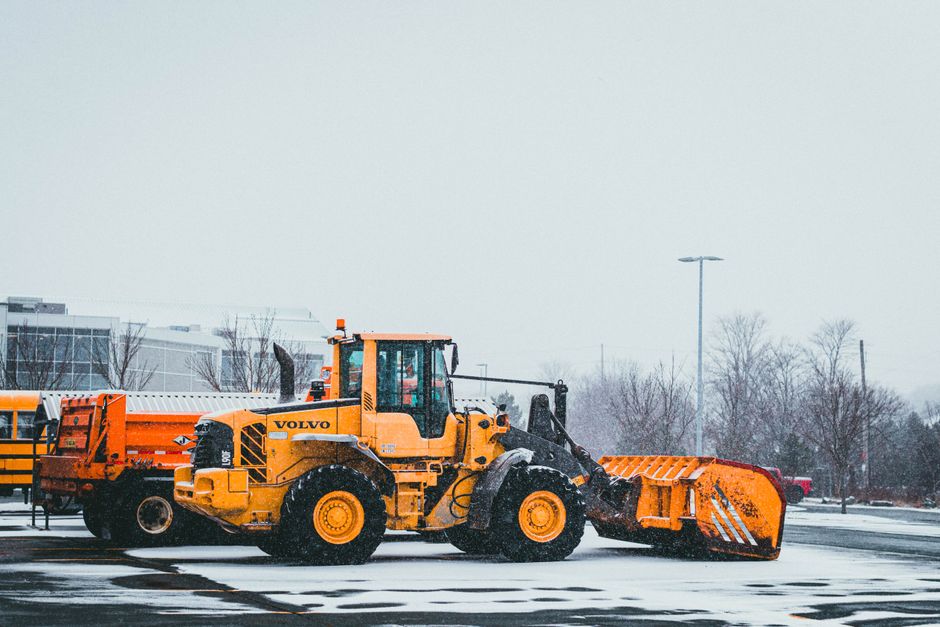
Hire a Denver-based, licensed, W-2 crew that sends time-stamped GPS photo proof within 30 minutes of every push, carries commercial insurance, and clears HOA lots between 2-6 AM. Photo proof is the single filter that separates real HOA snow contractors from the $49 guys who vanish after a 6-inch storm. Denver Snow Removal has provided that standard since 1984.
Table of Contents
- What is photo proof snow removal and why does your HOA board need it?
- What should a Denver HOA snow removal contract include?
- How much does HOA snow removal cost in Denver in 2026?
- How much does residential driveway snow removal cost in Denver in 2026?
- Why do cheap $49 snow removal guys fail Denver HOAs?
- How does Denver Snow solve HOA and residential snow removal with photo proof?
- Which Denver neighborhoods and suburbs do the best crews actually cover?
- Frequently asked questions about Denver HOA snow removal with photo proof
- Key Takeaways
- References
What is photo proof snow removal and why does your HOA board need it?
Photo proof snow removal means time-stamped, GPS-tagged before and after photos of every lot, walk, and sidewalk push, delivered to the board's phone or portal within 30 minutes of service. The photos show exactly when crews arrived, what they cleared, and what the surface looked like when they left.
Liability protection is the core reason boards demand photo proof. If someone slips in a common area, the HOA may be held responsible for failing to clear ice and snow in a timely fashion, according to attorney Christopher "Kit" Davlin in a Fox 31 interview. Davlin also recommends residents document common area problems with pictures and video and put complaints in writing.
Documentation standards for snow events should include time-stamped photos, vendor logs, and resident complaint records. A board that can pull up a photo log from a specific storm has a much stronger defense than one relying on a vendor's word.
Photo proof kills the "he said, she said" problem. The board sees completion without driving the property at 5 AM. A property manager can confirm 40 stalls were plowed and sidewalks were shoveled before residents leave for work, all from a phone.
What should a Denver HOA snow removal contract include?
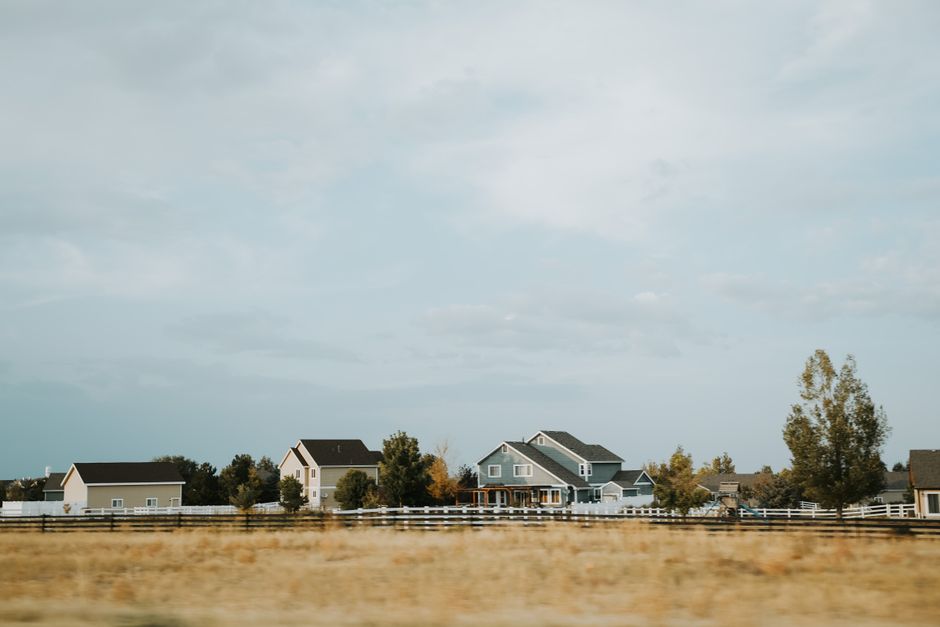
A Denver HOA snow removal contract should include a written policy with a map defining common elements versus private lots. Roads, shared parking, clubhouse walkways, and community sidewalks are typically HOA responsibility, while homeowners handle private driveways and personal walkways.
The contract needs an accumulation trigger set in inches, such as 2 inches, tied to a fixed measurement point or National Weather Service data. Without a defined trigger, crews and boards argue about whether a storm warranted service.
Vendor insurance requirements must include additional insured status, waiver of subrogation, and certificates in hand before the contract start date. A contractor without a current COI exposes the HOA to direct liability if a worker or resident is injured.
Zero-tolerance boards set a 6:00 AM standard, meaning crews must start by 4:00 AM to have lots and walks clear before residents leave for work. The contract should state the service window in writing.
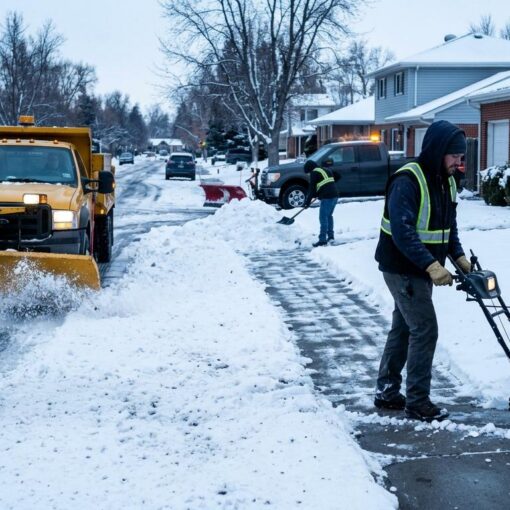
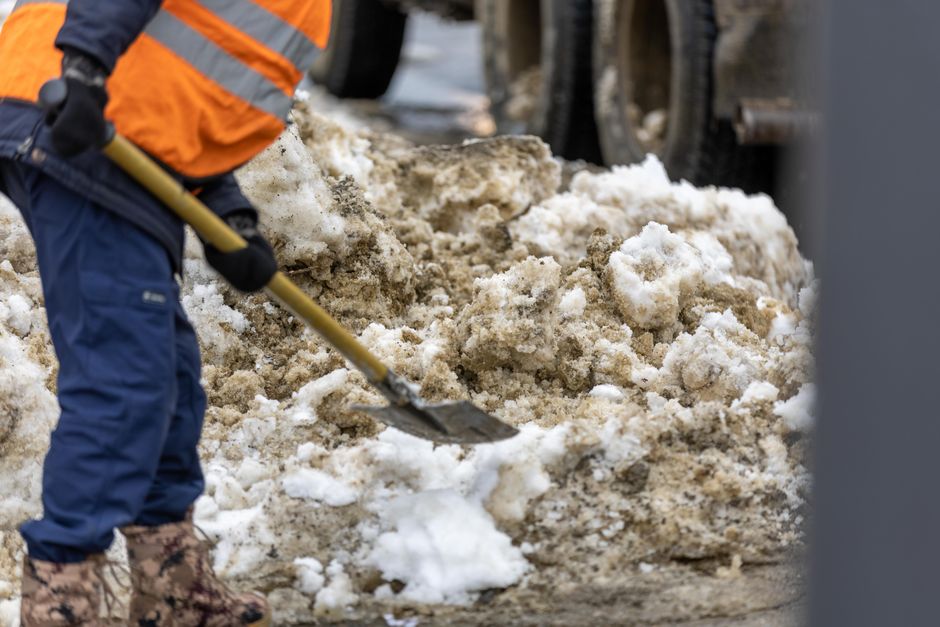
Equipment match matters. A 20-40 stall lot typically requires a skid steer plus hand shovels, while a 40-100 stall lot requires a plow truck, a skid steer, and a dedicated sidewalk crew. A contract that does not specify equipment invites a contractor to under-equip the job.
How much does HOA snow removal cost in Denver in 2026?
Seasonal HOA snow removal contracts in Denver run roughly $3,500 to $12,000 depending on stall count and trigger depth. Per-push pricing runs roughly $350 to $900 per visit for HOA-sized lots.
What drives the number is stall count, trigger inches, sidewalk linear footage, de-icing scope, and whether common areas include fire hydrants, mailboxes, and clubhouse walks. A 20-stall lot with one walk costs far less than a 100-stall lot with multiple entrances and a clubhouse.
Seasonal contracts lock the rate. Boards that sign before October 1 avoid mid-season increases when demand spikes after the first big storm. Locked pricing also makes budget planning straightforward for the fiscal year.
The cheapest bid is rarely cheapest. A missed 6-inch storm costs more in slip-and-fall exposure and resident complaints than the savings from a low per-push rate. Boards should compare price per documented, insured, completed event, not price per push on a quote sheet.
How much does residential driveway snow removal cost in Denver in 2026?
Residential driveway snow removal in Denver starts at $89 per push up to a 4-inch trigger. Small driveways start at $89, while large or circular driveways run $129 to $189 per push. Seasonal plans start at $149 per month with unlimited pushes.
Driveway, sidewalks, and steps are included in the package. De-icing is included, not an upsell. Homeowners should confirm that the quote covers the city sidewalk, because Denver ordinance requires adjacent sidewalks, ADA ramps, and bus stops cleared within 24 hours of a storm.
Denver's Residential Snow Plow Program only makes one center pass down each side street and does not expose bare pavement. Residential areas receive no de-icing materials from the city. A private crew handles the driveway, walk, porch, and city sidewalk that the city plow never touches.
The per-push price matters less than the trigger and the response window. A $89 push that shows up 48 hours after the storm is not the same product as a $89 push that clears the driveway before 7 AM.
Why do cheap $49 snow removal guys fail Denver HOAs?
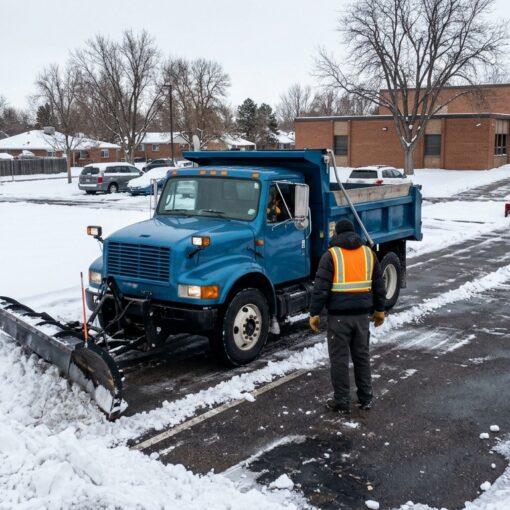
Cheap $49 per push snow removal usually means no commercial insurance, no photo proof, and no show after a 6-inch storm. The operator is often a single person with a personal truck and a shovel, not a crew with commercial equipment.
Personal trucks instead of commercial plows tear up concrete and cannot handle 20-100 stall lots. A pickup with a blade can push a driveway, but it cannot clear a parking lot efficiently or safely around parked cars.
Cheap operators disappear in March when the season drags on. Late-season storms and refreeze cycles hit exactly when the $49 guy has stopped answering the phone. The HOA is left scrambling during a liability-heavy period.
No COI means the HOA absorbs the liability if a contractor or resident is injured. An uninsured operator who damages a car or tears up a curb leaves the board holding the bill.
The real comparison is not price per push. It is price per documented, insured, completed event. A $49 push with no proof and no insurance is worth nothing when a slip-and-fall claim lands on the board's desk.
How does Denver Snow solve HOA and residential snow removal with photo proof?
Denver Snow Removal has been Denver-based since 1984, clearing snow with the same W-2 crews and no subcontractors. The company provides GPS-tracked trucks, time-stamped before and after photos after every push, and a 2-6 AM service window for HOA lots.
HOA Snow Removal Denver starts at $89 per lot with photo proof. Boards receive COI and photo logs, portal access for completion archives, and documented service for every storm. The service covers common areas, sidewalks to city spec, fire hydrants, mailboxes, and clubhouse walks.
Residential Driveway & Walkway Snow Removal starts at $89 per visit and includes driveway, walkway, porch, and city sidewalk clearing. Homeowners get 2-hour core response inside I-470, GPS tracking, and photo proof after every push.
Emergency 24/7 same-day response is available inside I-470 with a 2-4 hour window in core Denver. De-icing uses pet-friendly and commercial-grade options for refreeze zones.
Seasonal contracts lock pricing, include revisits, and can be canceled anytime. That removes the March surprise where a contractor stops showing or raises rates mid-season.
Which Denver neighborhoods and suburbs do the best crews actually cover?
The best Denver snow removal crews cover core Denver plus Littleton, Centennial, Englewood, Highlands Ranch, Cherry Hills, Greenwood Village, and Ken Caryl. The same crews that service your neighbor's lot handle your property, not a rotating cast of day labor.
Denver's DOTI handles about 2,050 lane miles of main streets with 70 large plows. The Residential Snow Plow Program covers about 1,260 center lane miles between 3:00 AM and 3:00 PM. That is streets only, not your lot or walks.
Local knowledge matters for Front Range snow. A 2 PM melt becomes a 6 AM ice rink when temperatures drop overnight. Post-clear de-icing is part of the job, not an add-on, because refreeze zones form on north-facing walks and shaded parking areas.
A crew that knows Cherry Hills snow patterns and Greenwood Village HOA expectations does not need a map briefing every storm. That familiarity reduces missed spots and callback requests.
Frequently asked questions about Denver HOA snow removal with photo proof
Who should an HOA hire for snow removal in Denver? A licensed, insured, Denver-based W-2 crew that provides time-stamped GPS photo proof within 30 minutes of every push.
What is photo proof snow removal? Before and after photos with timestamps and GPS tags sent to the board after each service visit, showing exactly when and where crews cleared.
How much does HOA snow removal cost in Denver? Seasonal contracts run roughly $3,500 to $12,000, and per-push visits run roughly $350 to $900 per HOA-sized lot.
How much does residential driveway snow removal cost in Denver? From $89 per push, or from $149 per month seasonal, with sidewalks and de-icing included.
What should an HOA snow removal contract include? A mapped responsibility policy, inch-based trigger, insurance certificates with additional insured status, and a photo and log documentation standard.
Is there free HOA snow removal in Denver? No. Denver plows streets only, and residential areas receive no de-icing materials, so lots and walks require a private contractor.
Key Takeaways
- HOAs are typically responsible for common elements like shared parking lots, clubhouse walkways, and community sidewalks, while homeowners handle private driveways and walks.
- A written HOA snow policy should define responsibility zones with a map and set accumulation triggers in inches tied to a fixed measurement point or National Weather Service data.
- Time-stamped photos, vendor logs, and resident complaint records are the documentation standard for every snow event.
- Seasonal HOA snow removal contracts in Denver run roughly $3,500 to $12,000, and per-push visits run roughly $350 to $900 for HOA-sized lots.
- Denver ordinance requires adjacent sidewalks, ADA ramps, and bus stops cleared within 24 hours of a storm.
- Denver residential plows make one center pass, do not expose bare pavement, and apply no de-icing materials to residential streets.
- If someone slips and falls in an HOA common area, the HOA may be responsible for failing to clear ice and snow in a timely fashion.