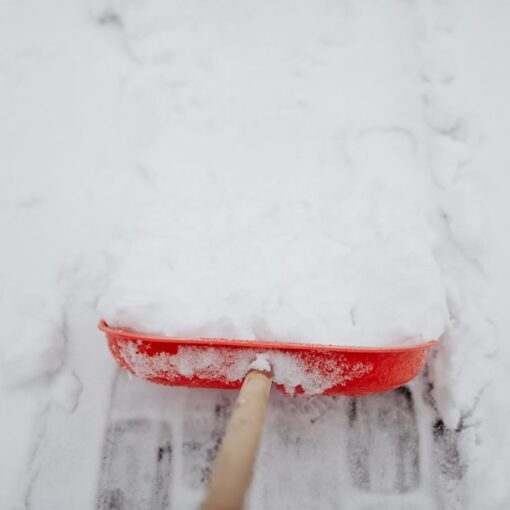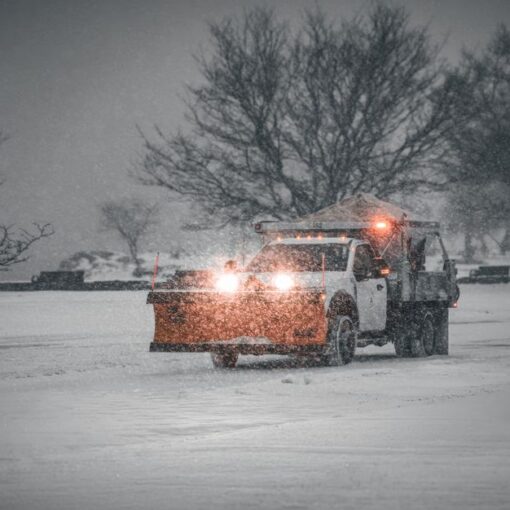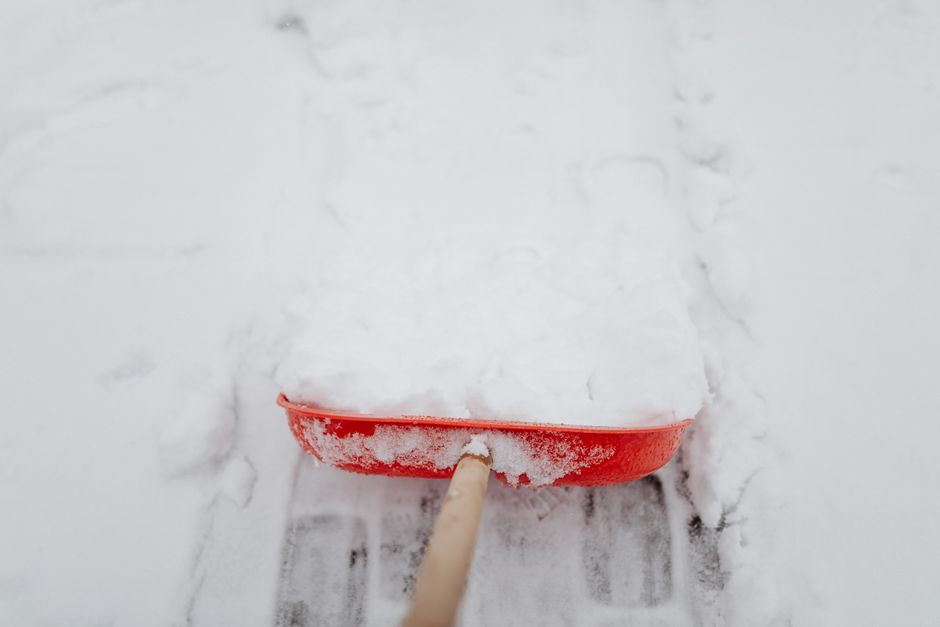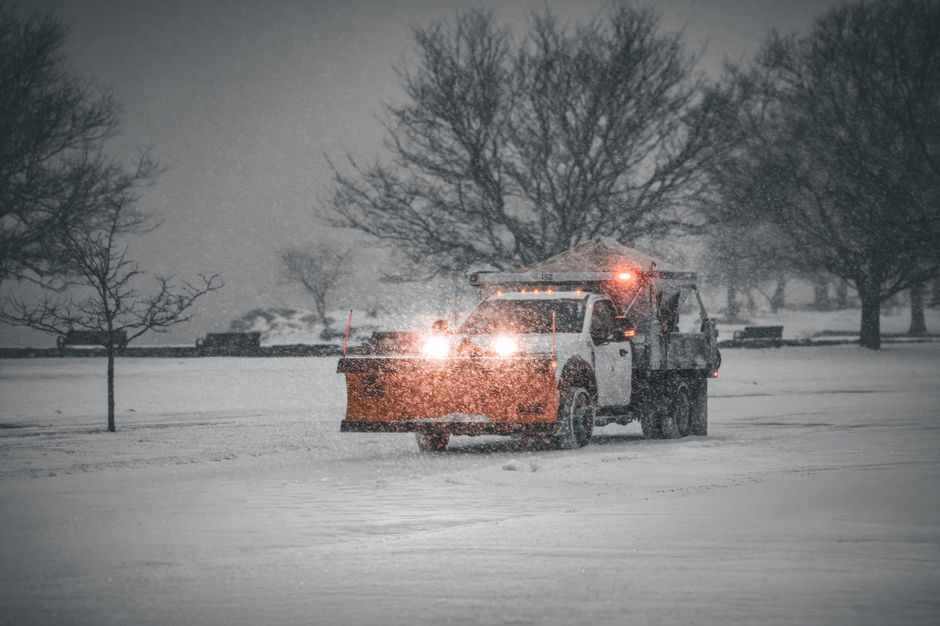
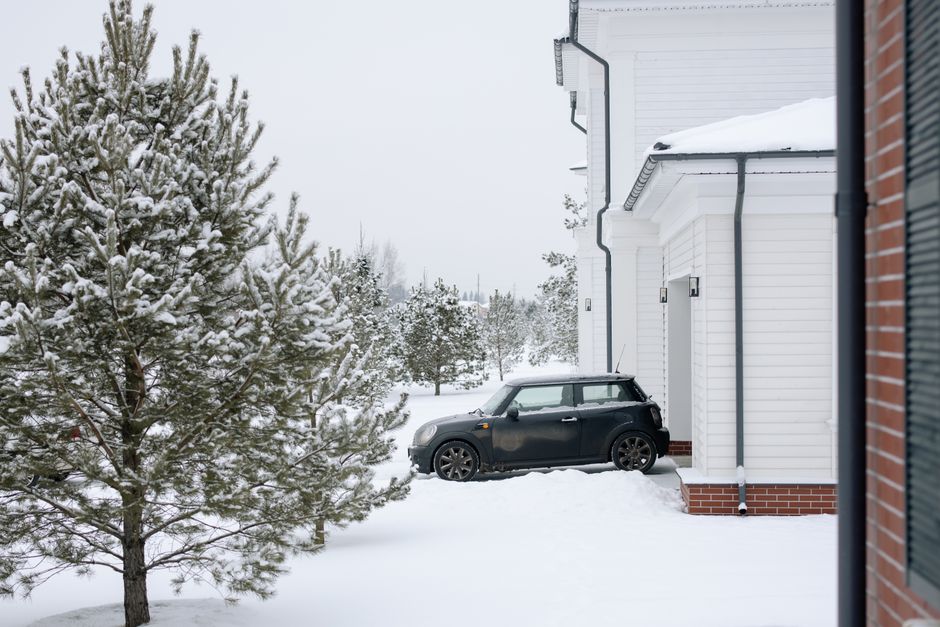
Residential snow removal in Denver County runs about $85 to $149 per visit for per-push service in 2026, while seasonal flat-rate contracts lock in one price for the entire winter. The City of Denver does not plow private driveways, walks, porches, or steps, so homeowners carry the full clearing burden. This pricing applies to homes inside Denver County and immediately adjacent suburbs within 10 miles of downtown, including Glendale, Edgewater, Englewood, East Lakewood, and West Aurora. Homes in far metro areas like Brighton, Centennial, Parker, Castle Rock, Longmont, and Commerce City north fall outside this service frame.
Table of Contents
-
Does the City of Denver plow residential streets and driveways?
-
What does Denver’s 24-hour sidewalk ordinance require of homeowners?
-
Why do Denver County homeowners need a local-only snow removal company?
-
What should you get in writing before hiring a residential snow removal service?
-
How does Denver Snow Removal handle residential snow removal in Denver County?
-
How do you choose between per-push and seasonal snow removal in Denver?
Does the City of Denver plow residential streets and driveways?
No, the City of Denver does not plow private driveways, and its residential street plowing is a limited operation. Denver’s Department of Transportation and Infrastructure, known as DOTI, maintains roughly 2,050 lane miles of main streets with a fleet of 70 large plows, according to the City and County of Denver. Residential streets are handled separately through a smaller program with different equipment and lower service standards.
The Residential Snow Plow Program was created after the blizzards of 2006-07, according to the City and County of Denver. That program covers about 1,260 center lane miles of residential streets using 4×4 pickup trucks fitted with plows. The operation is not a full clearing service.

Residential plowing happens only between 3:00 a.m. and 3:00 p.m., according to the City and County of Denver. When deployed, the residential plows take one pass down the center of every side street. That single pass shaves off the top few inches of snow pack and will not expose bare pavement.
Residential areas receive no de-icing materials at all, according to the City and County of Denver. The city never touches private driveways, walks, porches, or steps. Homeowners are responsible for every inch of their own property, including the public sidewalk that runs along it.
What does Denver’s 24-hour sidewalk ordinance require of homeowners?
Denver requires residences to clear their sidewalks by the next day after snow stops falling, while businesses must begin clearing immediately, according to the City and County of Denver. The clock starts when the snow stops, not when you wake up or get home from work. A storm that ends at 6:00 p.m. means your sidewalk needs attention by the following day.
After receiving a notice, residences get 24 hours and businesses get 4 hours before the inspector’s re-check, according to the City and County of Denver. That re-check window is the enforcement trigger. Missing it can lead to citations, and the city may clear the walk and bill the property owner.
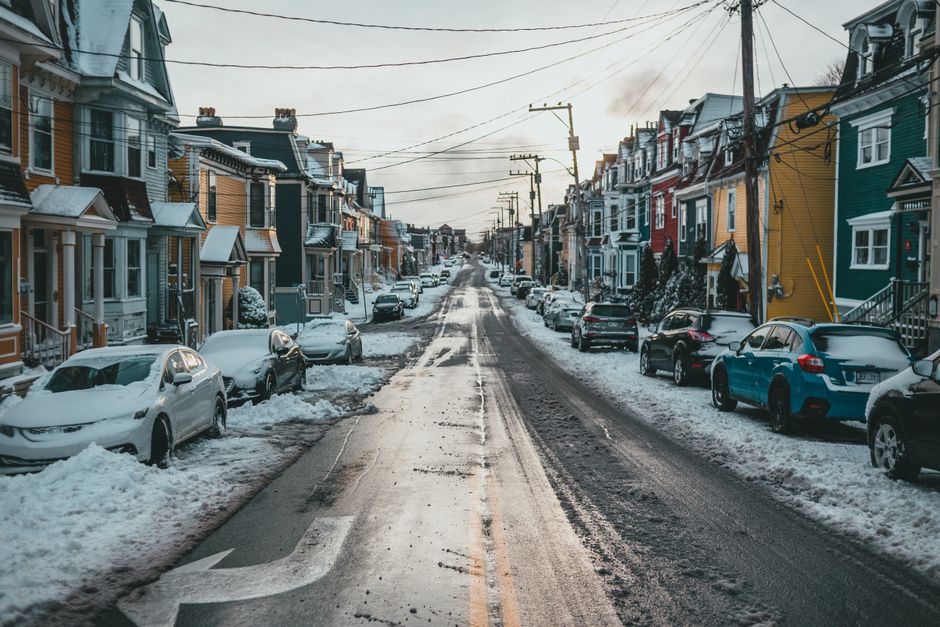
The city clears protected bikeways at least once every 24 hours, according to the City and County of Denver. Off-street trails with more than one inch of snow get plowed within 12 hours of a storm ending. None of that public clearing covers your sidewalk, driveway, porch, or steps.
Uncleared walks are a liability exposure for the homeowner, not just a ticket risk. A slip-and-fall on your sidewalk can become a claim against your homeowner’s insurance. Denver’s ordinance creates a legal duty, and failing to meet it weakens your position if someone gets hurt.
What is the cost of residential snow removal in Denver?
Per-push pricing runs about $35 to $85 per visit for a typical Denver County driveway, walk, porch, and city sidewalk package in 2026. The range reflects property size, not a vague estimate. A short single-car driveway with a standard sidewalk sits at the low end. A corner lot with double sidewalk frontage, a long drive, steps, and a porch sits at the high end.
Seasonal contracts trade a higher upfront number for locked pricing, included revisits, and cancel-anytime terms. The math favors seasonal if Denver gets more than a handful of storms. A winter with eight to twelve plowable events at $50 to $70 per push quickly exceeds a flat-rate contract. Mild winters favor per-push.
Price drivers include driveway length, corner lot status with extra sidewalk frontage, steps and porches, and whether de-icing is included in the base rate. A straight driveway with no steps is the cheapest profile. A corner lot with a wraparound sidewalk and a full porch is the most expensive.
Beware of quotes that exclude the city sidewalk or charge extra per revisit after a plow berm. The city’s residential plows leave a berm at driveway aprons when they make their center pass, according to the City and County of Denver. That berm is your problem, and a contractor who charges extra to clear it after every storm changes the real cost of the contract.
Why do Denver County homeowners need a local-only snow removal company?
Local-only snow removal keeps trucks on surface streets inside Denver County, Glendale, Edgewater, Englewood, East Lakewood, and West Aurora within 10 miles of downtown. Those trucks avoid the I-25 and I-70 shutdowns that strand metro-wide contractors during blizzards. A contractor based in Parker or Castle Rock cannot reach a Denver County home when the highways close.
A same-day 2 to 4 hour response window is only realistic when the fleet is not crossing the metro on highways. Surface street routes stay passable longer than interstates in heavy snow. A local-only operator can run multiple passes through the same neighborhoods in a single shift.
Neighborhood familiarity matters in Denver. Snow pack, refreeze zones, and alley access vary block to block. A crew that clears the same streets every storm knows which corners ice first and which driveways need a second pass after the city plow goes through.
Ask any contractor for their actual service boundary before you sign. “Denver metro” often means Brighton, Centennial, Parker, Castle Rock, Longmont, and Commerce City north, which is a different promise than Denver County only. Some companies list Denver in their name but dispatch from far suburbs, according to Denver Sprinkler and Landscape. The service area listed on a website is not the same as the trucks that show up at your door.
What should you get in writing before hiring a residential snow removal service?
GPS-tracked trucks with a live ETA should be in the contract, so you are not guessing whether anyone is coming. A live ETA means the company can tell you where the truck is and when it will arrive. That is a basic operational standard, not a premium feature.
Timestamped before-and-after photo proof for every visit is the difference between a promise and a record. Photos show the driveway before clearing and after clearing with a time stamp. That record protects you in a dispute and gives property managers documentation for owners.
A written service scope that names the driveway, walk, porch, steps, and city sidewalk separately prevents gaps. If the contract says “driveway only,” the city sidewalk is still your legal responsibility under Denver’s ordinance. Every surface you own or are responsible for should appear in the scope.
De-icing terms need to be specific: which product, whether it is pet-safe, and whether it is included or billed per application. Some companies use products like Sno Plow by MorGro, according to Denver Sprinkler and Landscape. That product label carries concrete curing restrictions, which matters for newer properties. Long-tenured operators like Sabell’s Snowplowing and Landscape Service have served the Denver metro since 1973, but tenure alone does not tell you what is in the current contract.
How does Denver Snow Removal handle residential snow removal in Denver County?
Denver Snow Removal provides residential driveway and sidewalk clearing that covers the drive, walk, porch, and city sidewalk in one service. The full ordinance footprint is included, so the city sidewalk is not an add-on or an afterthought. Homeowners get one crew, one visit, and one record for every surface Denver requires them to clear.
Per-push pricing sits in the $35 to $85 range, or homeowners can choose a seasonal contract with locked pricing, included revisits, and cancel-anytime terms. The per-push option works for mild winters and travel schedules. The seasonal option fixes the budget for the whole winter and removes per-storm decision-making.
De-icing and ice melt application offers pet-friendly and commercial-grade options. Pre-treatment and post-clear de-icing target refreeze zones, which are the shaded walks and north-facing steps that ice over after the sun goes down. The product choice depends on pets, concrete age, and how aggressive the refreeze risk is.
Emergency 24/7 same-day service operates inside I-470 with a 2 to 4 hour response in core Denver. The response window works because trucks stay on surface streets instead of highways. A Denver County home is not waiting on a truck that has to cross I-25 or I-70 in blizzard conditions.
Every visit is GPS-tracked with timestamped before-and-after photo proof. Free residential estimates are available at denversnow.com for Denver County homes only. The service area is deliberately narrow: Denver County, Glendale, Edgewater, Englewood, East Lakewood, and West Aurora within 10 miles of downtown.
Which de-icer is safe for pets and concrete in Denver?
Denver itself uses Ice Slicer, a naturally mined solid deicer from Utah that is more than 90 percent chloride salts, according to the City and County of Denver. The red color comes from 60 trace minerals naturally found in the deicer. Ice Slicer is what you see on Denver’s main streets after a storm.
Downtown Denver gets liquid magnesium chloride instead, according to the City and County of Denver. Liquid magnesium chloride is a different product with different handling needs than solid Ice Slicer. The city uses both products in different zones for different reasons.
Pet-safe options exist, but “pet-safe” and “concrete-safe” are not the same claim. A product can be gentle on paws and still aggressive on young concrete. Homeowners with pets and newer concrete need to check both labels before any application.
Sno Plow by MorGro is one deicing material on the market, according to Denver Sprinkler and Landscape. Its label strongly advises against use on concrete cured less than one full year. New driveways and sidewalks in Denver County need a different de-icing approach for the first winter.
How do you choose between per-push and seasonal snow removal in Denver?
Per-push makes sense for mild winters, rentals, or homeowners who travel and only need coverage during specific storms. You pay only when snow falls and the service triggers. A winter with three or four plowable events keeps per-push cheaper than a seasonal contract.
Seasonal flat-rate makes sense if you want a fixed budget, guaranteed revisits after plow berms, and no per-storm decision-making. The city’s residential plows leave berms at driveway aprons, and those berms need clearing after every pass. A seasonal contract with revisits included absorbs that recurring work without surprise charges.
Ask what counts as a “push,” what triggers a revisit, and whether pre-treatment is included or extra. A push might be defined as two inches of accumulation, or three, or four. The trigger definition changes how many visits you actually get in a season.
Long-tenured local operators exist in this market. Sabell’s Snowplowing and Landscape Service has provided snow removal, snow plowing, and ice removal services to Denver metro area residences and businesses since 1973, over 51 years. Ask about current capacity and response times, not just longevity. A company that has been clearing Denver snow for decades still needs to show you its current service boundary and photo proof policy.
Key Takeaways
-
The City of Denver plows residential streets with 4×4 pickups between 3:00 a.m. and 3:00 p.m., makes one center pass, and never exposes bare pavement.
-
Denver residential areas receive no de-icing materials from the city, so ice control on your block is entirely on you.
-
Denver homeowners must clear their sidewalks by the next day after snow stops falling; businesses must begin immediately.
-
Per-push residential snow removal in Denver County runs about $35 to $85 per visit; seasonal contracts use locked flat-rate pricing with revisits included.
-
Local-only service areas inside 10 miles of downtown keep response times at 2 to 4 hours because trucks avoid I-25 and I-70 during blizzards.
-
Denver uses Ice Slicer, a solid deicer over 90 percent chloride salts, on its routes; downtown gets liquid magnesium chloride.
-
Sno Plow by MorGro should not be used on concrete cured less than one year, per its own label guidance.
References
-
Snow Removal – City and County of Denver — date unknown
-
Denver Snow Removal Services – Denver Sprinkler and Landscape — date unknown
-
Sabell’s Snowplowing and Landscape Service – Snow Removal Denver — date unknown