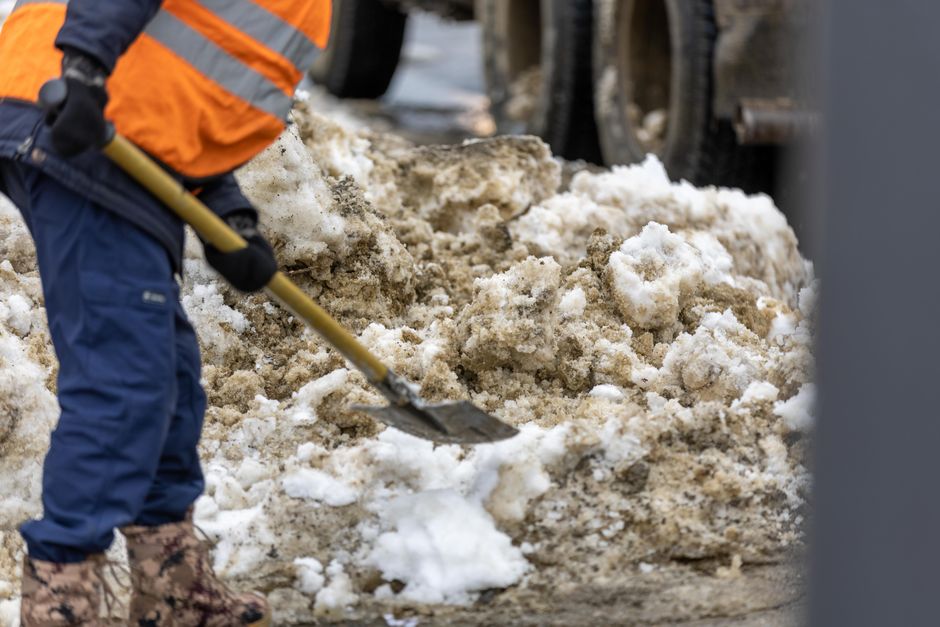
Yes. In the City and County of Denver, property owners and occupants are legally required to clear snow and ice from the sidewalks next to their property. Residences have 24 hours after snow stops to clear the walk. Businesses must act immediately. The stakes are a $150 fine per violation after a city notice, plus civil liability if someone slips and falls on your unshoveled walk.
Table of Contents
- What does Denver's 24-hour sidewalk snow removal rule actually require?
- What does the City and County of Denver actually plow — and what does it leave to you?
- What are you responsible for clearing in Denver — beyond just the sidewalk?
- Which Denver neighborhoods enforce sidewalk shoveling the hardest?
- Can you be sued if someone slips on your icy Denver sidewalk?
- Does Denver offer any help if you physically can't shovel?
- How does Denver Snow Removal handle sidewalk clearing and ordinance compliance?
- Key Takeaways
- References
What does Denver’s 24-hour sidewalk snow removal rule actually require?
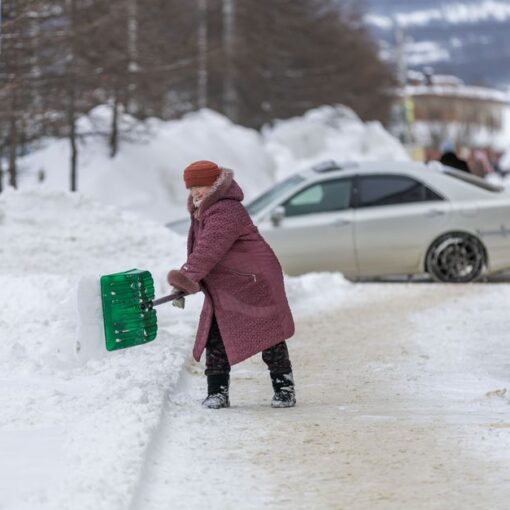
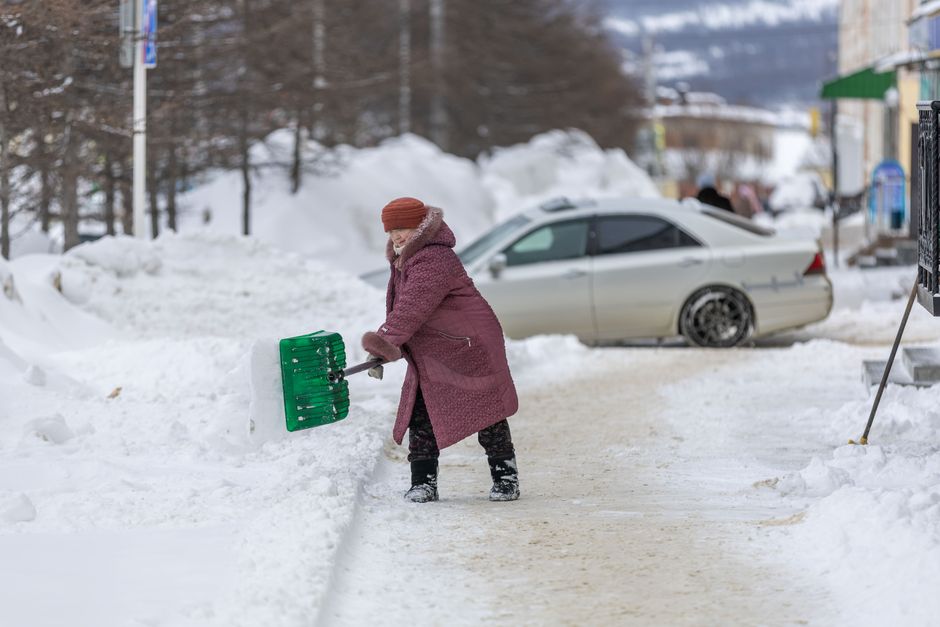
Denver's rule requires property owners to clear snow and ice from sidewalks adjacent to their property, including ADA ramps and bus stops, according to the City and County of Denver.
Businesses must clear sidewalks immediately after snow stops. Residences get until the next day. The practical standard for homeowners is 24 hours, according to Denver7.

The city uses a notice system. Inspectors first leave a time-stamped notice at properties with unshoveled sidewalks. After that notice, businesses have 4 hours to comply. Residences have 24 hours. If the sidewalk is still not cleared, the city issues a $150 fine, Denver7 reports.
Denver residents can report unshoveled sidewalks by dialing 311 once 24 hours have passed since snow stopped. The rule applies to ice, not just snow. Packed snow that refreezes into ice counts as a violation. The City and County of Denver treats ice as part of the clearing requirement.
What does the City and County of Denver actually plow — and what does it leave to you?
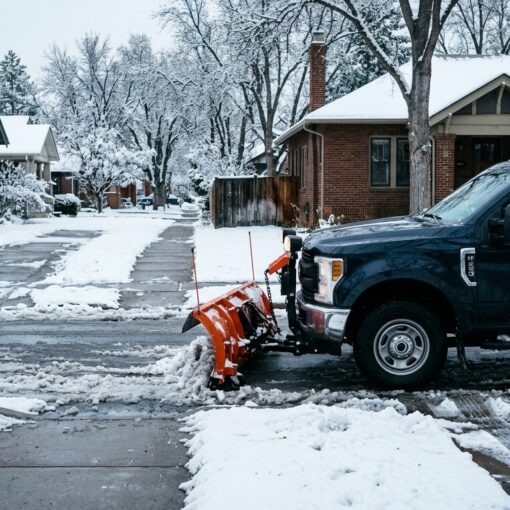
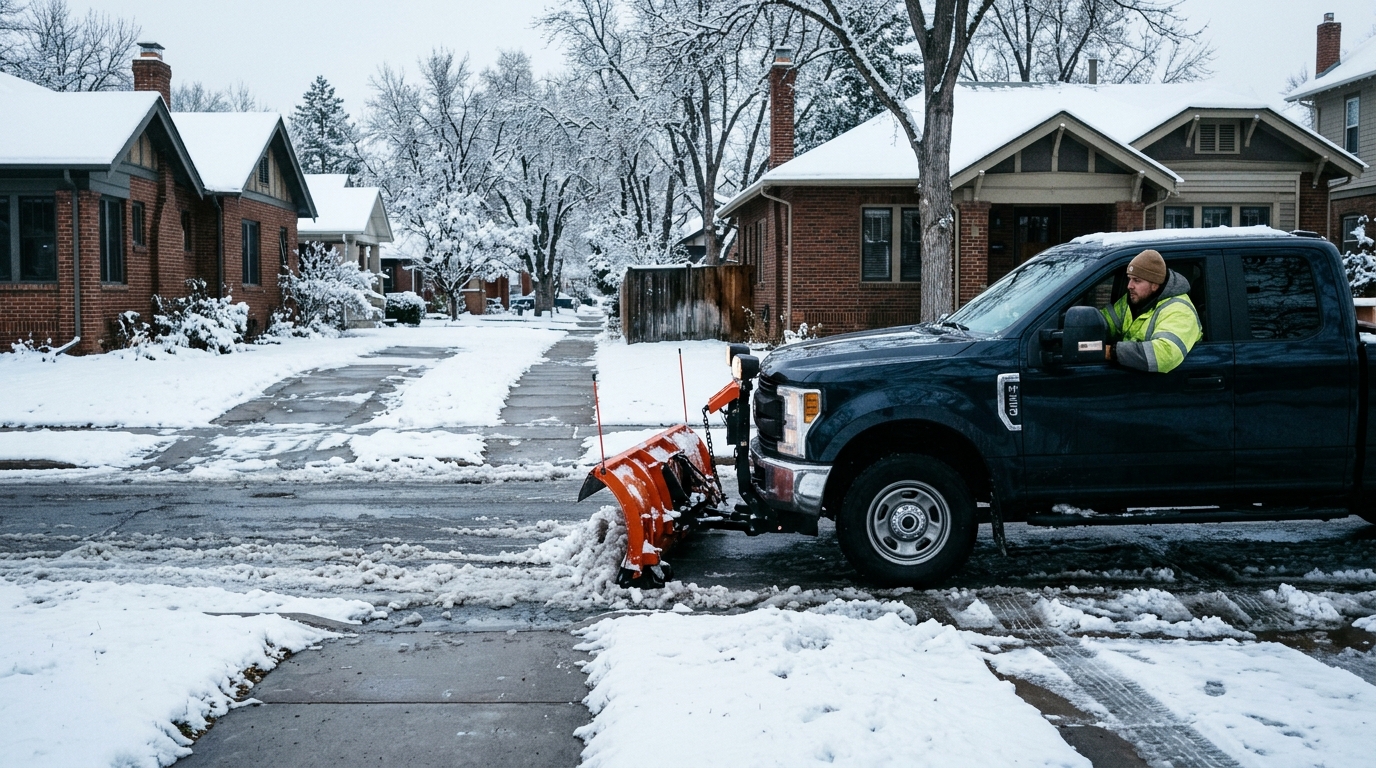
The City and County of Denver plows public streets, not private property. Denver's Department of Transportation and Infrastructure plows about 2,050 lane miles of main streets using a fleet of 70 large plows, according to the City and County of Denver.
The Residential Snow Plow Program covers roughly 1,260 center lane miles of residential streets. Residential plowing only happens after 6 or more inches of snow accumulates. Plows run between 3:00 a.m. and 3:00 p.m. Residential plows make one pass down the center of the street and will not expose bare pavement, the City and County of Denver states.

The city does not clear driveways. The city does not clear alleys. The city does not clear sidewalks. The city does not clear private lots. All of that falls on the property owner or occupant, according to Denver7.
Bikeways get attention at least once every 24 hours. Off-street trails with more than one inch of snow get plowed within 12 hours after snowfall ends. That is the city's standard, per the City and County of Denver.
What are you responsible for clearing in Denver — beyond just the sidewalk?
You are responsible for your sidewalk, your driveway, and your alley apron. The city does not clear any of those surfaces. The City and County of Denver places all three on the property owner.
Corner lots carry extra duty. The ADA ramp at the corner is included in your clearing requirement. That ramp is how wheelchair users and people with strollers get from the sidewalk to the street. Leaving it iced over blocks access, the City and County of Denver notes.
Fire hydrant access must be shoveled out. A buried hydrant costs firefighters critical minutes during an emergency. That is part of the property owner's responsibility in Denver, according to the City and County of Denver.
Business storefronts must be cleared immediately, not by tomorrow. The 24-hour grace period for residences does not apply to commercial properties. Denver7 reports that businesses face a stricter standard.
Do not shovel snow into the street. Colorado statute 43-5-301 prohibits property owners, renters, and private snow-removal operators from depositing snow on or next to a public highway. Violations are misdemeanors with fines from $10 to $300, according to the Colorado Department of Transportation.
Which Denver neighborhoods enforce sidewalk shoveling the hardest?
Downtown, LoDo, Capitol Hill, and Cherry Creek see the most foot traffic and the most inspector attention. Those neighborhoods have dense sidewalks with constant pedestrian use, according to Denver7.
Washington Park, Baker, Highlands, and Berkeley have dense residential sidewalks with heavy pedestrian use. Dog walkers, runners, and commuters use those walks daily. Unshoveled sidewalks there get noticed fast, Denver7 reports.
Central Park, Lowry, Green Valley Ranch, and Montbello see enforcement on HOA and commercial frontage. Property managers in those areas face pressure from both the city and their own associations to keep walks clear, according to Denver7.
The numbers show how complaint-driven enforcement works. Between December 28, 2022 and January 12, 2023, Denver received 2,479 complaints about unshoveled sidewalks after a 7-inch storm. Only 35 properties failed to comply after inspector warnings and received a $150 fine, the Colorado Trust reports.
One neighbor call to 311 starts the clock. Enforcement is not random. It is triggered by complaints. If your sidewalk is not cleared 24 hours after snow stops, any neighbor can report you, according to Denver7.
Can you be sued if someone slips on your icy Denver sidewalk?
Yes. Beyond the $150 city fine, property owners can face civil liability if someone is injured on an unshoveled or icy sidewalk. The city fine and a personal injury lawsuit are two separate problems, according to Denver7.
Colorado's snow-placement law carries civil penalties when snow creates a hazard. If you shovel snow into the street and that snow causes an accident, you can be held liable. The Colorado Department of Transportation confirms that civil penalties apply when placed snow creates a hazard.
The risk is real for vulnerable Denver residents. Denver's population is 12.2% age 65 or older. Another 6.7% of residents under 65 have a disability. Those are the people most at risk on icy sidewalks, according to the Colorado Trust.
City Councilman Chris Hinds, who uses a wheelchair, had to roll down the streets of Broadway and Park Avenue West because icy curb ramps prevented him from accessing the sidewalks. That is what happens when ADA ramps are not cleared, the Colorado Trust reports.
De-icing is not optional for commercial and HOA properties. It is risk management. A slip-and-fall lawsuit costs far more than a season of de-icing. The Colorado Trust documents the real-world consequences of neglected sidewalks.
Does Denver offer any help if you physically can’t shovel?
Yes. Denver's Snow Angel program connects older residents and people with disabilities with volunteers who shovel their sidewalks. The program exists specifically for people who physically cannot clear snow themselves, according to Denver7.
RTD is responsible for shoveling its own bus shelters. The adjacent property owner is not responsible for RTD-owned shelters. That is a common point of confusion, the Colorado Trust notes.
Dial 311 to report ice on streets or an unshoveled sidewalk 24 or more hours after snow stops. The city uses those reports to dispatch inspectors, Denver7 reports.
The sources do not state whether Denver grants exemptions from the shoveling requirement based on age or physical ability. The Snow Angel program is assistance, not a legal exemption. Property owners remain responsible even if they need help meeting the requirement, according to Denver7 and the Colorado Trust.
How does Denver Snow Removal handle sidewalk clearing and ordinance compliance?
Denver Snow Removal clears the full ordinance footprint for residential clients. The residential driveway and sidewalk clearing service covers the drive, walk, porch, and city sidewalk. That matches exactly what Denver requires property owners to clear within 24 hours.
Commercial and HOA lot snow removal runs at 4AM. The service handles 20 to 100 stall lots with certificates of insurance and photo logs. Property managers get documentation they can show inspectors or insurance carriers. The commercial and HOA lot service is built for Denver's stricter business standard.
Emergency 24/7 same-day snow removal operates inside I-470. Core Denver neighborhoods get 2 to 4 hour response. That matters when a city inspector has already left a time-stamped notice and the 4-hour business clock is running. The emergency snow removal service is on call around the clock.
GPS-tracked trucks provide live ETA and timestamped before and after photo proof. HOA and commercial clients get portal access with logs, certificates of insurance, and a completion archive. That documentation is what property managers need when a slip-and-fall claim lands.
Seasonal contracts lock pricing and include revisits. Cancel anytime. Pre-treatment and post-clear de-icing covers refreeze zones. Denver's freeze-thaw cycle turns cleared walks into ice sheets overnight. De-icing is the difference between compliant and dangerous.
The Denver Snow Removal service area covers the neighborhoods where enforcement is hardest: Downtown, LoDo, Capitol Hill, Cherry Creek, Washington Park, Baker, Highlands, Berkeley, Central Park, Lowry, Green Valley Ranch, and Montbello.
Ordinance compliance checklist for Denver property owners: clear sidewalk within 24 hours of snow stopping. Clear driveway and alley apron. Clear ADA ramp on corner lots. Clear fire hydrant access. Do not shovel snow into the street. Apply de-icer to prevent refreeze. Document completion with photos.
Key Takeaways
- Denver property owners must clear sidewalks within 24 hours of snow stopping; businesses must clear immediately.
- After a city inspector's timestamped notice, businesses have 4 hours and residences have 24 hours before a $150 fine.
- Denver plows main streets and, after 6 or more inches, residential streets, but never driveways, alleys, sidewalks, or private lots.
- Corner lots must clear the ADA ramp, and all properties must clear fire hydrant access.
- Shoveling snow into the street violates Colorado statute 43-5-301 and is a misdemeanor with fines of $10 to $300.
- Between late December 2022 and mid-January 2023, Denver logged 2,479 sidewalk complaints and issued 35 fines after a 7-inch storm.
- Denver's Snow Angel program helps older residents and people with disabilities who cannot shovel their sidewalks.
References
- Snow Removal – City and County of Denver — date unknown
- Denver snow removal: Sidewalk rules, fines and where to get help in the metro — 2024-03-15
- Colorado's Snow Removal Law — date unknown
- For Coloradans with Disabilities, Navigating Denver's Snow Covered Sidewalks and Streets is Dangerous and Often Impossible — date unknown