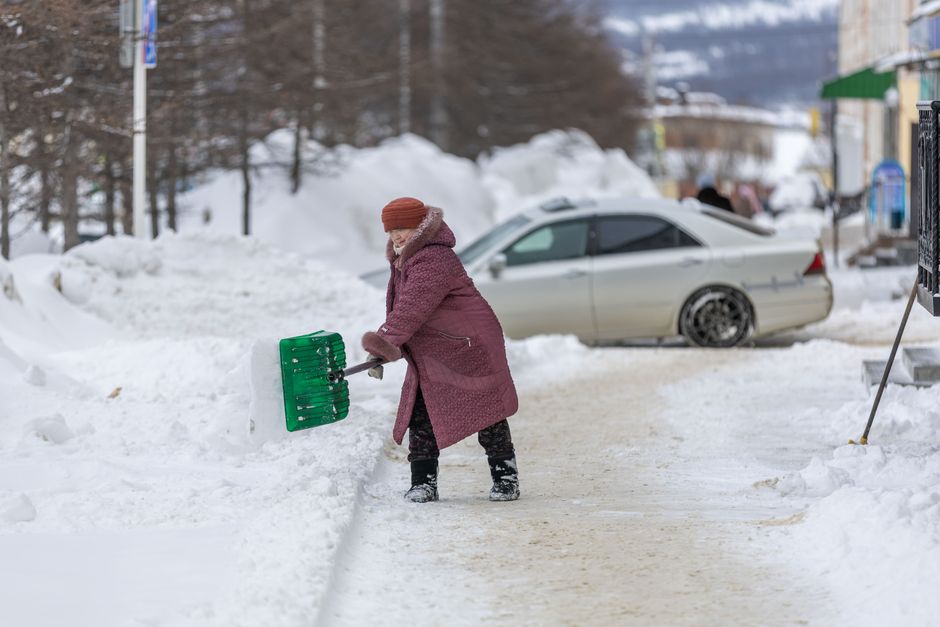
Every big Denver snowstorm ends with the same quiet decision at the end of thousands of driveways: shove it into the street and let the plows deal with it. The city has a specific rule about that, and it is not a gray area. Denver’s ordinances prohibit pushing, plowing, or depositing snow onto public streets, alleys, and other rights-of-way. That covers a snowblower chute aimed at the curb, a shovel toss over the pile, and a plow contractor clearing a parking lot into the gutter.
The rule is simple to state and easy to break by accident, especially at 6 a.m. when the driveway is long and the street looks empty. Here is what the ordinance actually says, how it overlaps with state law, and how a property owner stays clear of the whole issue.
What Denver’s snow pushing ordinance prohibits
Denver’s rules are written broadly. The prohibition is not limited to the travel lane of a street. It covers public streets, alleys, and other public rights-of-way. That means the snow you push out the back gate into the service alley counts. So does the snow you blow across the sidewalk into the gutter.
The rule applies to more than the person holding the shovel. Colorado’s snow removal law, which cites Colorado Revised Statute 43-5-301 on obstructing a highway and its penalty, states that it is against the law for property owners and renters, and private snow-removal operators, to deposit snow on or next to a public highway. Colorado’s Department of Transportation notes that many local ordinances repeat the same restriction for ditches and the right-of-way area along the roadside.
In practical terms, three groups are on the hook:
- Homeowners and renters clearing their own driveways, walks, and porches
- Business and property managers clearing lots, entrances, and walkways
- Private snow removal companies hired to do the work
Hiring someone does not move the responsibility off the property. If the crew you hired blows snow into the street, the pile is still sitting in the public right-of-way in front of your address.
The sidewalk clock that runs alongside it
The pushing rule and the sidewalk rule are two different obligations, and property owners tend to remember one and forget the other. Denver requires property owners to clear snow and ice from the sidewalks next to their property. The deadlines differ by property type.
| Property type | What must be cleared | Deadline |
|---|---|---|
| Business | Snow and ice on adjacent sidewalks | Four hours after receiving a notice, per Denver’s snow removal page |
| Residence | Snow and ice on adjacent sidewalks | 24 hours after receiving a notice, per Denver’s snow removal page |
Local reporting has described the same split in slightly different terms, with business owners given four hours after a storm lets up and residents given 24 hours. Denver’s Department of Transportation and Infrastructure manages the city’s snow response and the inspectors who follow up. Because the wording varies between the city page and news coverage, the safest move is to treat four hours for businesses and 24 hours for residences as your working deadline and confirm the current language on denvergov.org before a storm hits.
Worth knowing for context: neighboring cities run their own clocks. Aurora’s municipal code gives residents and property owners 24 hours after snow ends to clear sidewalks, and Wheat Ridge asks for sidewalks cleared within 24 hours of snowfall. Denver’s penalties and enforcement details are separate and should be checked with the city directly.
Why the rule exists, beyond paperwork
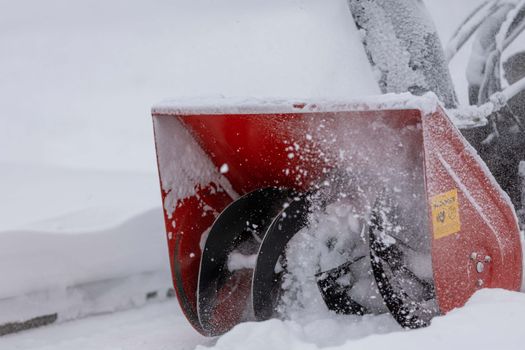
Pushing snow into the street is not a victimless shortcut. CDOT’s guidance points out that depositing snow on public roadways increases hazards with each push. The reasons stack up quickly on a Denver block:
- Snow blown into the street refreezes overnight into ice that catches drivers and cyclists off guard
- Piles narrow the lane and force cars toward oncoming traffic
- Plow drivers cannot clear a street cleanly when a fresh ridge has been added along the curb
- Drainage inlets get buried, so meltwater has nowhere to go when temperatures climb
- Snow tossed over a walk can land on a path someone else is responsible for clearing
There is a neighbor dimension too. A ridge of snow pushed into the street is visible to everyone on the block, and it tends to reappear as a complaint. Denver residents already debate how early is too early for a gas powered snowblower, with one widely read thread describing a 4:30 a.m. run that revved up and down until the whole block was awake. Adding snow to the street on top of a pre-dawn noise complaint is a fast way to turn a small chore into a neighborhood issue.
Where the snow should go instead
The good news is that most Denver lots have somewhere legal for the snow to land. The rule is to keep it on private property and away from the public way.
- Push snow to the side of the driveway, not the end of it, so it stacks in the parkway strip or yard rather than the gutter.
- Build a pile on the lawn or landscaped bed on the low side of the property, where meltwater will drain away from the foundation instead of across the walk.
- Keep the pile back from the sidewalk edge so a plow or a wind gust does not shove it back over the concrete.
- Aim the snowblower chute along the property line or back onto the yard, never across the curb line.
- Clear around storm drains on your block so meltwater has an outlet when the sun comes out.
Corner lots and properties with alley access need the most care. Both frontage and alley frontage count as right-of-way, so a pile that looks tucked away can still be sitting in the public way.

Common mistakes that create the pile in the first place
Most violations are not defiance. They are habits. A few repeat offenders show up again and again.
- Clearing the apron of the driveway by pushing straight out into the street and leaving it there
- Blowing a full driveway width across the sidewalk and over the curb because it is faster than stacking
- Plowing a commercial lot toward the street because the lot has no designated snow storage area
- Letting a contractor push a pile into the alley behind a building and assuming alleys are exempt
- Waiting for the city plow to solve the problem, then clearing the resulting windrow back into the street
For commercial and HOA properties, the fix is usually planning rather than effort. Identify snow storage areas before the first storm and mark them so a crew at 4 a.m. knows exactly where the white stuff is supposed to go, and where it is not.

Documenting what your crew did and where the snow went
Property owners who hire out the work increasingly want a record. Timestamped logs, before and after photos, and GPS tracking of when a crew arrived and left do more than prove the job happened. They show where the snow was placed, which matters if a neighbor or an inspector raises a question later.
That is part of how denversnow.com, operated by MileHiSnow, works on Denver County properties. The company has been family owned since 1974, runs hyper-local routes on surface streets inside Denver County, and provides photo proof and GPS-tracked, timestamped logs on residential driveways, sidewalks, porches and stairs, plus commercial and HOA lots, walkways and entrances. Service is limited to the City and County of Denver and nearby areas within about 10 miles of downtown, including Glendale, Edgewater, Englewood, East Lakewood, and West Aurora. Response times run in the 2 to 4 hour range, de-icing uses pet-friendly Ice Slicer and non-corrosive ice melt, and pricing is available as seasonal contracts or per-push service in the $35 to $85 range.
If you handle your own snow, the same idea applies at a smaller scale. A phone photo of a clean sidewalk and a pile on the lawn, taken with a timestamp, is a simple record. During heavy storms, the city’s own snow removal operation and its residential and business deadlines are the authority to check, so confirm current rules on the Denver DOTI snow removal page rather than relying on what a neighbor said.
Frequently Asked Questions
Can I push snow from my driveway into the alley behind my house?
Denver’s ordinance covers public streets, alleys, and other rights-of-way, so pushing or blowing snow into an alley falls under the same restriction as pushing it into the street. Treat the alley as public space and stack snow on your own lot instead. Confirm any specific alley question with the city before the next storm.
Does the rule apply to a snow removal company I hire?
Yes. Colorado’s snow removal law names property owners, renters, and private snow-removal operators as parties who may not deposit snow on or next to a public highway. A contractor pushing snow into the street creates a problem at your address, so ask upfront where the crew plans to put the snow.
How long do I have to clear my Denver sidewalk?
Denver’s snow removal page states that businesses have four hours and residences have 24 hours after receiving a notice to clear snow and ice from adjacent sidewalks. Local reporting describes business owners as having four hours after a storm lets up and residents 24 hours. Check denvergov.org for the current wording before winter.
What should I do if a city plow buries my sidewalk after I clear it?
Clear it again, and keep it clear. The sidewalk obligation stays with the property owner under Denver’s rules, and a plow windrow is not a pass. Shovel the windrow into your yard rather than back across the curb, and give storm drains on your block a clear path for meltwater.
Where should the snow go on a small city lot?
Stack it on the lawn, a landscaped bed, or the parkway strip, keeping it clear of the sidewalk edge and out of the gutter. Push snow to the side of the driveway rather than the end so it never crosses the curb line. On corner and alley lots, keep both frontages in mind.