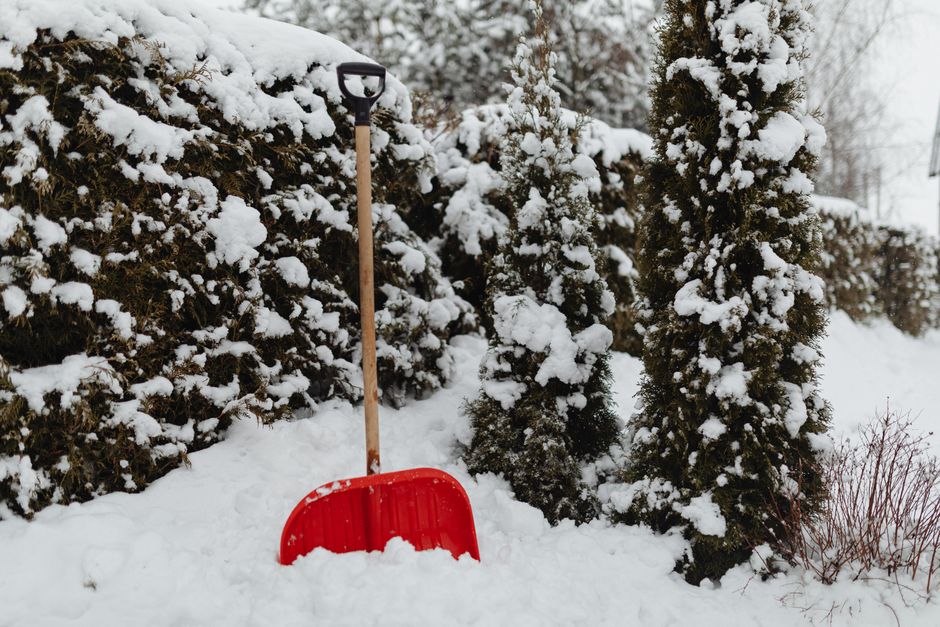
A shovel-only visit is the smallest unit of snow removal work, and also the one most homeowners misunderstand. No plow truck, no skid steer, no pile of snow bulldozed into the neighbor’s yard. One person, hand tools, and a defined list of surfaces that get cleared before they pull away.
That matters in Denver because a lot of the property that actually gets used in winter cannot be touched by a truck. Steps, porches, narrow walkways, gates, and the strip between the driveway and the front door are all shovel work. This guide walks through what a shovel-only visit covers, what it does not, how pricing tends to shake out, and how to get more out of each visit when storms stack up back to back.
Why shovel-only work exists in the first place
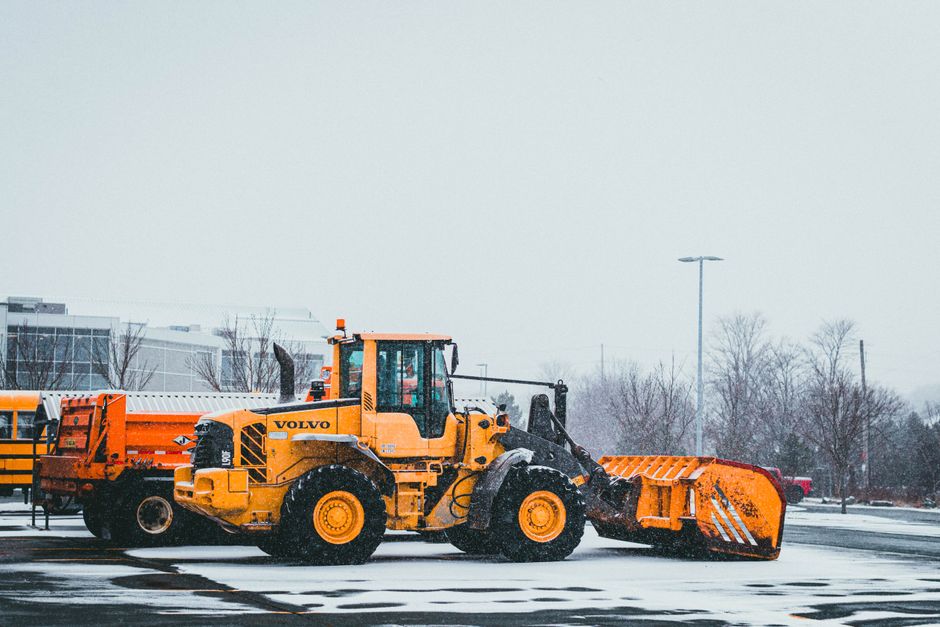
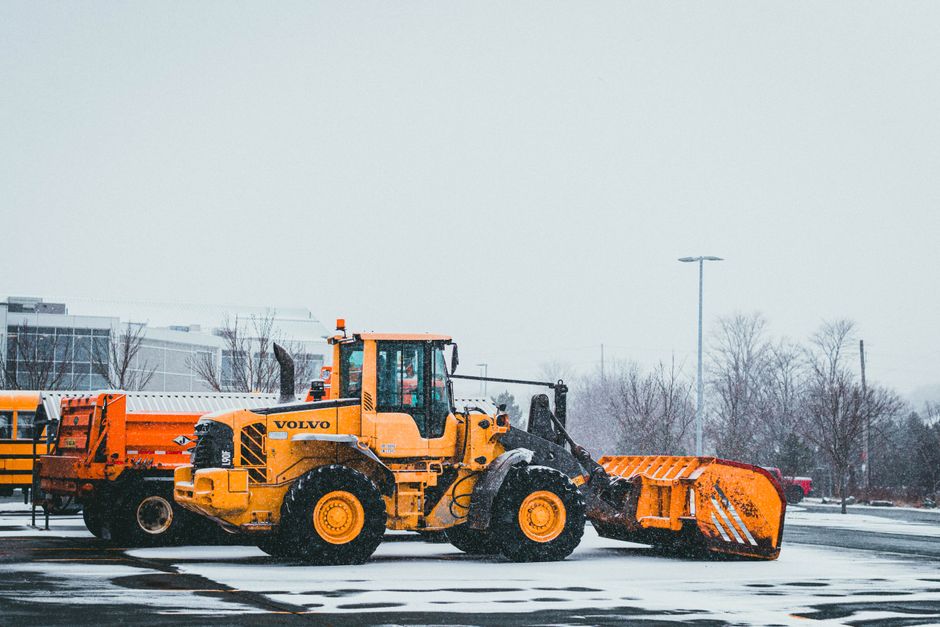
Plenty of Denver properties never see a plow blade. Capitol Hill lots are tight, Highlands bungalows have narrow side yards, and a lot of driveways in Wash Park and Cherry Creek are paved with something the owner would rather not have scraped with steel. Add in gated back patios, brick stairs, and shared walkways between units, and the machine becomes the wrong tool for the job.
Shovel-only service fills that gap. It is also the practical answer for smaller snow totals, where dragging a truck out for two inches makes no sense but the front steps still need to be safe by 7 a.m. The work is slower and more physical than plowing, which is exactly why it is quoted and scheduled differently.
What gets cleared during a shovel-only visit
A standard visit follows a route around the property, and the crew clears the same surfaces in the same order every time so nothing gets missed. Most visits include:
- Driveway: cleared edge to edge where access allows, including the apron at the street, hand-shoveled when the space is too tight or too delicate for equipment.
- Front walkway: the path from the sidewalk or driveway to the front door, scraped down rather than just pushed aside.
- Public sidewalk along the property: the stretch of sidewalk bordering the home, which in Denver is the responsibility of the adjacent property owner to keep passable.
- Porch and entry: steps, landings, and the small area right at the door where people stand to unlock it.
- Stairs and handrails: exterior stair runs cleared tread by tread, with the landing at the bottom included.
- Walkways between structures: side paths, paths to a detached garage, and shared walkways on multi-unit properties.
On larger residential jobs and small commercial or HOA properties, the same visit may also cover a back patio door, a service entrance, or a mailbox approach, depending on what is written into the service agreement. The list should be confirmed before the first storm, not argued about during one.
What a shovel-only visit does not include
Knowing the edges of the service is as useful as knowing the middle. A shovel-only visit generally stops at the following:
- Roof snow removal. That is a separate, specialized job with its own safety requirements.
- Snow piled on vehicles, trailers, or equipment unless it was specifically requested.
- Clearing the street, alley, or any public right of way beyond the sidewalk adjoining the property.
- Chipping out hard-packed ice that has bonded to concrete. Ice melt and de-icing are typically a separate line item, and mechanical ice removal is a different task entirely.
- Hauling snow off site. Most residential service leaves cleared snow in designated piles on the property.
If a property needs de-icing, that is usually added as a separate application. Pet-friendly Ice Slicer, which is non-corrosive, is one option for driveways and walkways where dogs and landscaping are a concern.

How a shovel-only visit actually runs
Timing is the part homeowners care about most, and it is worth being concrete. A local Denver crew running tight routes inside the county can typically respond within 2 to 4 hours of a request or a storm trigger, which is a big part of why routing matters so much. A company that has to cross the metro on the interstate during a blizzard cannot promise that, and most of them quietly do not.
Here is the sequence most visits follow:
- The storm hits the trigger depth in the service agreement, or the customer calls in a request.
- The visit gets dispatched to a crew already working that part of the city.
- The crew arrives, clears the property in a set order, and applies de-icer if it is part of the plan.
- Before-and-after photos are taken, and the visit is logged with a GPS timestamp.
- The customer gets proof of service without having to be home or ask for it.
That photo and GPS record is the quiet trust signal in this business. It settles the “did anyone actually come?” question and gives property managers something to point at when a board asks.
What shovel-only service costs in Denver
Snow removal in the Denver market runs roughly $30 to $70 per hour for clearing a driveway or sidewalk, and that figure usually functions as a minimum service charge regardless of how small the job is. In other words, a quick ten-minute scrape still gets billed at the minimum, which is why per-visit and seasonal pricing are so common.
Per-push pricing for residential shovel work in the city commonly lands somewhere between $35 and $85 depending on the size of the property, the number of surfaces, and how much hand work is involved. Properties with long sidewalks, multiple stair runs, or gated access sit at the higher end because the labor is higher. Seasonal contracts spread the cost across the winter and remove the per-storm decision entirely, which is usually what people want after the first 6 a.m. shoveling session of the year.
Where shovel-only service fits and where it does not
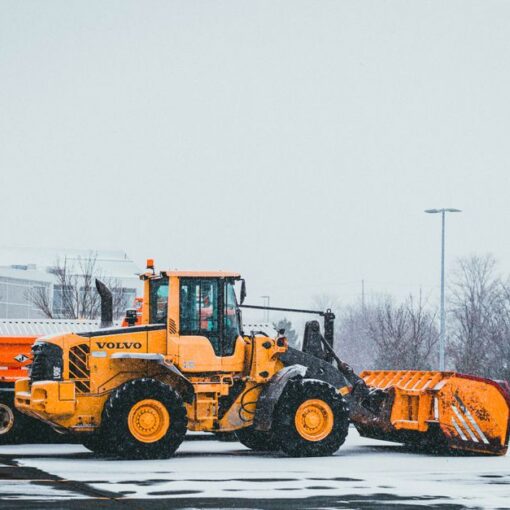
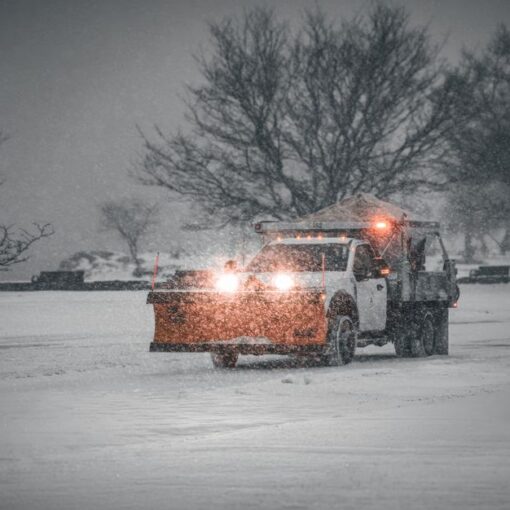
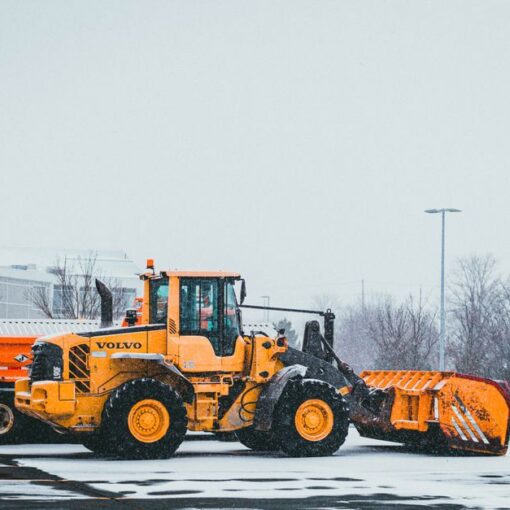
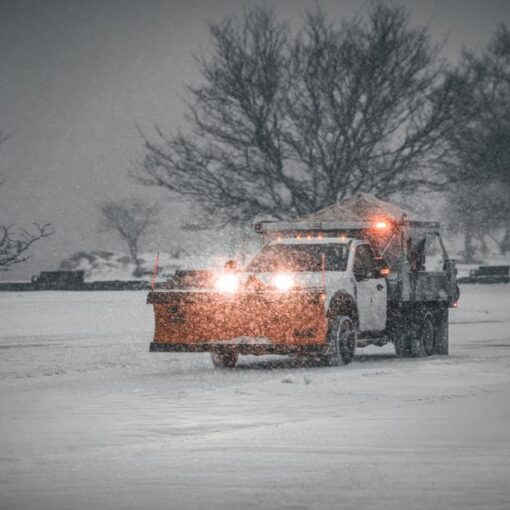
Hand work is the right call for most residential properties and for the pedestrian portions of commercial and HOA sites. It is the wrong call when a parking lot needs to be open by 4 a.m., or when a storm drops enough snow that a crew with shovels simply cannot keep up with the square footage.
| Property need | Shovel-only | Equipment or plow |
|---|---|---|
| Driveway, walkway, porch, stairs at a home | Yes, this is the core service | Overkill for most residential lots |
| Narrow side yards, gates, tight Capitol Hill lots | Yes | Often cannot fit or risks damage |
| Parking lots and long commercial drives | Too slow for full coverage | Yes |
| Paver or specialty surfaces | Best fit with hand tools | Requires care and the right blade |
| Ice bonded to concrete | No, needs de-icer | De-icing application, not a shovel |
Plenty of properties need both. A home with a long driveway and a short sidewalk may get the drive done with equipment and the walk done by hand on the same stop.
Heavy storm days and repeat visits
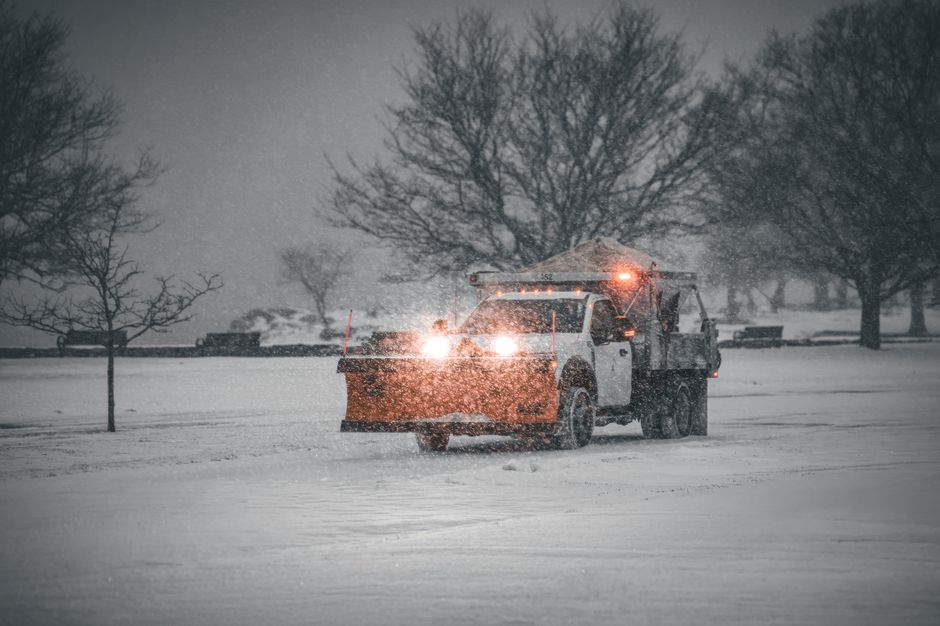
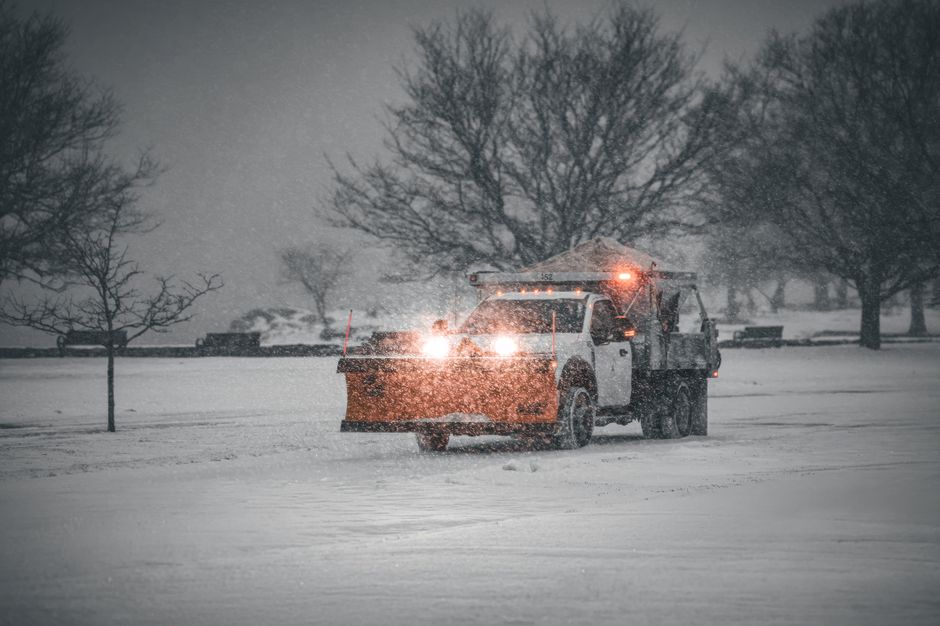
Back-to-back storms change the math. When the snow keeps falling, a crew may need to return multiple times in a day just to keep entries passable, and pricing for those repeat pushes should be spelled out up front. Ask how the service handles a storm that exceeds the trigger depth, and ask whether the second visit in the same day is billed the same way as the first.
One Denver-specific detail worth planning around: the city runs its plows around the clock during storms, and you can follow their progress on Denver’s Plow Tracker at denvergov.org. Snow that street plows move can end up across the mouth of a driveway after your own clearing is done, so a quick pass at the apron before the next freeze is worth the two minutes.
How to get more out of each visit
A few small habits make a shovel-only visit faster and the results better:
- Move vehicles off the driveway before the crew is scheduled to arrive.
- Unlock gates and clear a path to any locked area. A locked gate usually means an incomplete visit.
- Keep pets inside while crews are working, especially on properties where doors get opened.
- Mark invisible edges, sprinkler heads, and lighting fixtures before the first storm, when the ground is still visible.
- Leave a note in the service profile about fragile steps, loose railings, or a paver driveway that needs hand work.
If you are not going to be home, make sure the service has a way to send the photo record and reach you with questions. Most scheduling problems in this business trace back to access, not to effort.
If you cannot shovel it yourself
Denver does have a program aimed at residents who need help with front sidewalks. Snow Angels connects volunteers with residents who cannot clear their own walks, and the contact line is (720) 913-8450, with SnowAngels@denvergov.org as the email address listed for the program. The city’s general information line is 3-1-1, or (720) 913-1311 from outside Denver, and 9-1-1 is for emergencies only.
Those resources are worth knowing about even if you hire out. They are also a reminder that sidewalk clearance along a property is not optional in this city, which is one reason shovel-only service exists as a standalone offering rather than as an afterthought to plowing.
Frequently Asked Questions
How much does a shovel-only visit cost in Denver?
Market rates for clearing a driveway or sidewalk in Denver run about $30 to $70 per hour, and that rate typically acts as a minimum service charge no matter how small the job is. Per-push residential pricing commonly falls between $35 and $85 depending on property size and how much hand work is involved. Seasonal contracts spread the cost across the winter.
Do I need to be home during the visit?
No. Most shovel-only visits happen while the homeowner is at work or asleep, and the crew logs the stop with a GPS timestamp along with before-and-after photos. The one thing you do need to provide is access, meaning an unlocked gate or a clear path to whatever needs clearing. Locked gates are the most common reason a visit ends up incomplete.
How quickly can a crew get to my property after a storm?
A local crew routing tightly inside Denver County can typically respond within 2 to 4 hours of a request or storm trigger. Companies that travel in from outside the county during a blizzard cannot usually make that window. Ask about response time before you sign, and ask specifically where the crews are staged.
Does a shovel-only visit include ice melt?
Usually not by default. De-icing is commonly priced as a separate application, and it is a different task from shoveling. If you want it, ask for it in the service agreement so it happens during the visit instead of after someone slips. Pet-friendly, non-corrosive ice melt options are available for driveways and walks where dogs and landscaping matter.
Do you shovel outside Denver County?
Service is limited to the City and County of Denver and nearby areas within about 10 miles of downtown, including Glendale, Edgewater, Englewood, East Lakewood, and West Aurora. Properties that would require interstate travel during a blizzard are outside the service area, which is exactly why the response windows hold up during real storms.
The short version: a shovel-only visit is a defined, repeatable service with a clear surface list, a documented arrival, and pricing that reflects hand labor rather than machine time. Get the surface list in writing, confirm how de-icing and repeat pushes are billed, and make sure the gate is unlocked. Everything after that is just snow, and snow in Denver always melts eventually.