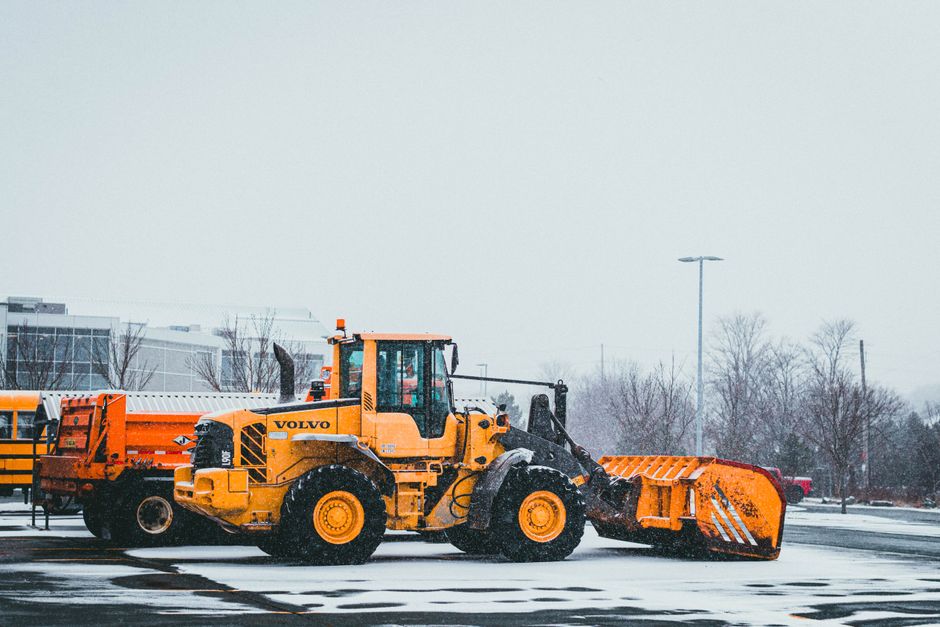
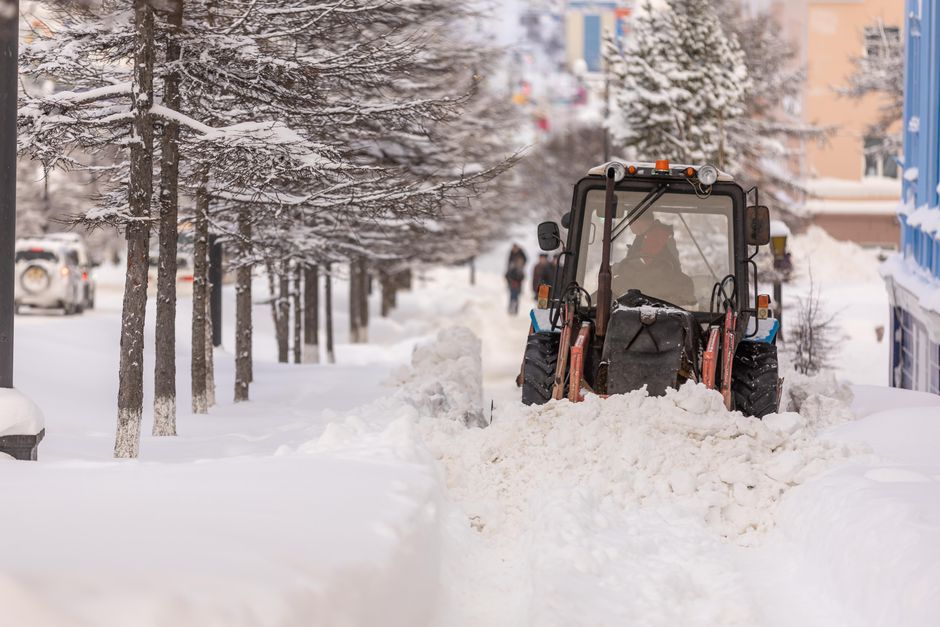
Denver HOAs fire snow contractors for one reason: no proof of bare pavement by 5 AM when the first resident walks out and the first slip-and-fall claim gets filed. Zero-tolerance service means every lot and sidewalk is pushed, de-iced, and time-stamped before 5 AM. Without timestamped photo proof, the HOA carries the lawsuit risk, not the contractor.
Table of Contents
- Why do Denver HOAs fire snow removal companies that ghost at 2 AM?
- How does zero-tolerance bare pavement by 5 AM actually work in Denver?
- Why does time-stamped photo proof protect an HOA from a slip-and-fall lawsuit?
- What does zero-tolerance snow removal cost in Denver in 2026?
- Zero-tolerance vs on-call — which contract actually protects a Denver HOA?
- Rock salt vs calcium chloride vs magnesium chloride — which de-icer should a Denver HOA require?
- Per push vs seasonal — which snow contract saves a Denver HOA money in 2026?
- What do Denver HOA managers ask before signing a zero-tolerance contract?
- Key Takeaways
- References
Why do Denver HOAs fire snow removal companies that ghost at 2 AM?
Denver HOAs fire snow removal companies that ghost at 2 AM because the board has nothing to show residents when the complaints start. An HOA manager can get 20 calls by 7 AM from residents in Central Park, Cherry Creek, and Washington Park who found ice on the walk. No crew on site means no photos, no logs, and no defense.
Slip-and-fall exposure is the real driver. A single untreated patch in a common area can turn into a $30K to $75K claim. Kit Davlin of Robinson & Henry told Fox 31 that if someone slips and falls in an HOA common area, the HOA may be responsible for not having cleared ice and snow in a timely fashion, according to Robinson & Henry.

Denver's 24-hour sidewalk rule is the legal floor, not the standard. The City and County of Denver requires property owners to clear snow and ice from sidewalks within 24 hours after a storm ends, according to Denver DOTI. HOAs get sued on the gap between "cleared eventually" and "cleared before residents woke up."
Boards fire on the second no-show, not the tenth. Insurance carriers and residents both demand documentation. A contractor who cannot produce a timestamped photo log after a storm is a liability the board cannot carry into 2026.
How does zero-tolerance bare pavement by 5 AM actually work in Denver?
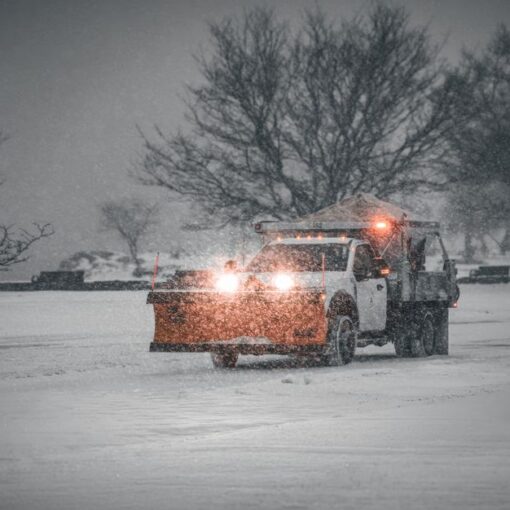
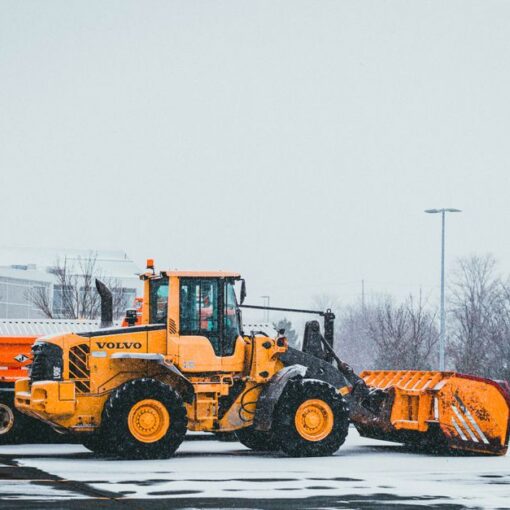
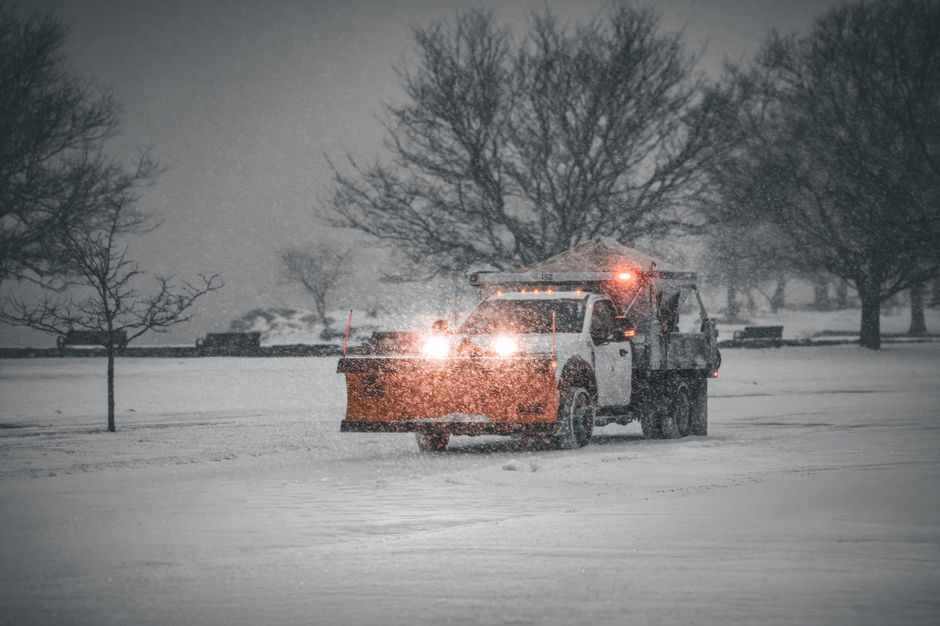
Zero-tolerance bare pavement means crews push lots and walks between 2 and 5 AM, pre-treat with brine before the storm, and revisit until pavement is bare. It is not one pass and gone. The standard is bare pavement before the first resident steps outside in Park Hill, LoDo, or Capitol Hill.
Materials matter because Denver cold snaps expose cheap de-icers. Rock salt stops working around 15°F. Calcium chloride holds to -25°F. Denver's own solid deicer, Ice Slicer, is more than 90-percent chloride salts, according to Denver DOTI. The city uses liquid magnesium chloride downtown to reduce particulate matter.

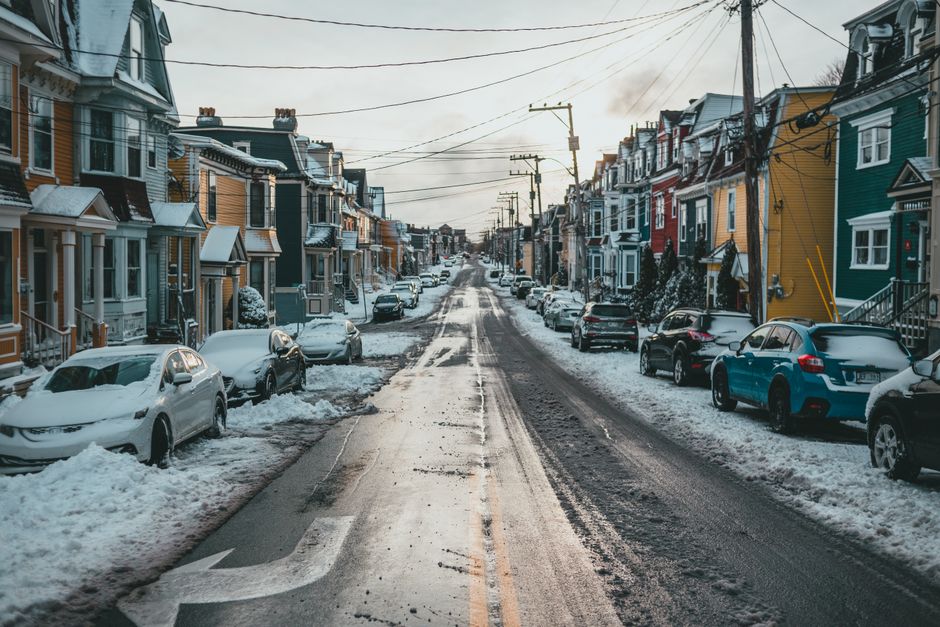
Denver's residential plow program is not a substitute for HOA clearing. City plows make one pass down the center of every side street and will not expose bare pavement, according to Denver DOTI. Residential areas in Denver do not receive de-icing materials at all.
Revisits and refreeze zones are part of the job. Post-clear de-icing on shaded entries, north-facing walks, and ADA ramps happens before the morning freeze. The MCA in Stapleton notes that neighborhood streets are not plowed unless a major snow event is declared, according to MCA 80238. HOAs cannot wait on the city.
Why does time-stamped photo proof protect an HOA from a slip-and-fall lawsuit?
Time-stamped photo proof protects an HOA because every push gets a before/after photo, stored and sent to the manager. The board's defense file builds itself. When a resident in Cherry Creek or Sloan's Lake claims the walk was never cleared, the manager forwards the 4:58 AM photo instead of arguing.
Colorado attorneys recommend residents document common-area problems with pictures and video and complain in writing, according to Robinson & Henry. The HOA should hold the same standard against its own contractor. Written logs end the he-said-she-said with residents.
Insurance carriers ask one question after a claim: what did you do and when. A photo log answers it in seconds. The MCA in Stapleton documents snow removal expectations for alleys and common areas during major events, according to MCA 80238. HOAs need the same documentation discipline from private contractors.
A timestamped photo log is the difference between a dismissed claim and a settled one. Boards in Highlands, Berkeley, and Washington Park that keep photo proof can show exactly when bare pavement was achieved. Boards that cannot are negotiating from weakness.
What does zero-tolerance snow removal cost in Denver in 2026?
Zero-tolerance snow removal in Denver costs $65 to $150 per push for driveways, $30 to $50 for sidewalks, and $250 to $850 per push for commercial parking lots in 2026, according to Denver Snow Removal. These are per-push rates for service that includes clearing and de-icing.
Seasonal pricing runs $400 to $900 for a typical residential driveway winter covering four to seven qualifying storms, according to Denver Snow Removal. HOA and commercial lots run $3,500 to $9,000 per season depending on stall count and zero-tolerance terms. Denver HOA snow removal contracts for 2026-2027 run $800 to $2,500 per season for smaller associations, according to Denver Snow Removals.
De-icing is billed per application, not folded into the seasonal base rate. Budget $100 to $350 per application on commercial lots, according to Denver Snow Removal. Per-inch pricing runs $10 to $30 per inch as a comparison point.
Lock seasonal contracts before October to secure priority service and current pricing, according to Denver Snow Removals. Boards that wait until November pay more and lose leverage.
Zero-tolerance vs on-call — which contract actually protects a Denver HOA?
Zero-tolerance protects a Denver HOA. On-call does not. The comparison table below shows why boards in Central Park, Cherry Creek, and Washington Park are moving to zero-tolerance contracts for 2026.
| Factor | Zero-Tolerance | On-Call |
|---|---|---|
| Bare Pavement Time | Before 5 AM | Whenever the crew arrives |
| Lawsuit Risk | Low, photo log exists | High, no documentation |
| HOA Calls | Few, proof sent proactively | 20+ by 7 AM |
| Photo Proof | Timestamped every push | Rare or none |
On-call means the HOA calls after the snow, the contractor arrives when they can, and the board eats the gap. Zero-tolerance means service starts before the storm ends. Denver HOA seasonal contracts range from $2,000 to $8,000 per month for larger properties, according to Denver Snow Removal. The cost of one slip-and-fall claim exceeds the annual contract.
Denver Snow Removal addresses the title question directly with Residential Driveway & Walkway Snow Removal for Denver-area homeowners. The service uses W-2 crews, 2-hour core response inside I-470, GPS tracking, and photo proof after every push, from $89 per visit. Seasonal contracts include locked pricing, revisits, and cancel anytime terms.
The proof stack is what separates zero-tolerance from on-call. Denver Snow Removal runs GPS-tracked trucks with live ETA, timestamped before/after photos every push, $2M insurance, and W-2 crews with no 1099 subs. Portal access for HOAs and commercial clients includes logs, COI, and completion archive. Colorado attorneys say the HOA may be responsible for timely ice and snow clearing, according to Robinson & Henry. The contract either proves the work or it does not.
Rock salt vs calcium chloride vs magnesium chloride — which de-icer should a Denver HOA require?
A Denver HOA should require calcium chloride for cold snaps and magnesium chloride for pet-safe zones. Rock salt is the wrong default. The table below shows the 2026 comparison for Denver conditions.
| De-Icer | Temp Range | Concrete Damage | Pet Safe | Cost |
|---|---|---|---|---|
| Rock Salt | Fails at 15°F | High | No | Low |
| Calcium Chloride | Holds to -25°F | Moderate | No | Higher |
| Magnesium Chloride | Holds to -13°F | Low | Yes | Mid |
Denver itself uses liquid magnesium chloride downtown and Ice Slicer, which is more than 90-percent chloride salts, elsewhere, according to Denver DOTI. The city's own choices show what works in Colorado cold.
Pet-safe matters in Central Park, Cherry Creek, Washington Park, Sloan's Lake, Highlands, Berkeley, Park Hill, LoDo, and Capitol Hill where dogs hit the sidewalks every morning. Rock salt burns paws and damages concrete. Denver commercial lots pay $100 to $350 per de-icing application, according to Denver Snow Removal.
Specify de-icer in the contract by name and temperature rating. The low bidder will spread rock salt and hand the HOA the concrete repair bill. Boards that write "calcium chloride to -25°F" into the contract get what they specified.
Per push vs seasonal — which snow contract saves a Denver HOA money in 2026?
Seasonal saves a Denver HOA money in a normal or heavy winter. Per-push only wins in a light winter, and Denver boards cannot bet the reserve fund on a light winter. The table below shows 2026 ranges.
| Property Type | Per Push | Seasonal |
|---|---|---|
| Driveway | $65–$150 | $400–$900 |
| Sidewalk | $30–$50 | Included in driveway plan |
| Commercial Lot | $250–$850 | $3,500–$9,000 |
Seasonal driveway plans at $400 to $900 save $400 to $900 over per-push in a normal winter, according to Denver Snow Removal. Seasonal lot plans at $3,500 to $9,000 save $2,000 or more in a heavy winter. Denver HOA contracts for 2026-2027 run $800 to $2,500 per season for smaller associations, according to Denver Snow Removals.
Seasonal means locked pricing, revisits included, and no per-storm approval calls at 3 AM. The board budgets once in October. Per-push means every storm triggers a decision, a call, and a delay.
What do Denver HOA managers ask before signing a zero-tolerance contract?
What time do you push in Denver? Zero-tolerance crews push between 2 and 5 AM so lots and walks are bare before the first resident leaves. Denver's own residential plows operate between 3 AM and 3 PM, according to Denver DOTI. Private zero-tolerance service beats that window by hours.
What happens if it snows after you leave? Crews revisit on refreeze and post-storm bands. Zero-tolerance means the contractor returns until pavement is bare, not one pass and gone. Denver commercial lots pay $250 to $850 per push for this standard, according to Denver Snow Removal.
Do you photo every driveway and lot? Yes. Every push gets a timestamped before/after photo stored in the portal. The manager can forward the 4:58 AM photo to any resident who complains.
What if a resident complains? The written log and photo archive answer the complaint. Colorado attorneys recommend documenting common-area problems in writing, according to Robinson & Henry. The HOA holds the same standard against its contractor.
Is seasonal worth it? Yes in a normal or heavy winter. Seasonal driveway plans save $400 to $900 and lot plans save $2,000 or more, according to Denver Snow Removal.
Denver Snow Removal serves Denver, Denver County, Central Park, Stapleton, Cherry Creek, Washington Park, Sloan's Lake, Highlands, Berkeley, Park Hill, LoDo, and Capitol Hill. The free zero-tolerance bid at denversnow.com includes same-day portal access with GPS photo proof, 5 AM bare pavement, and seasonal pricing for driveways and lots.
Key Takeaways
- Denver HOAs fire snow contractors for missing 5 AM bare pavement and having no timestamped proof when a slip-and-fall claim lands.
- A single untreated common-area patch can become a $30K to $75K claim, and Colorado attorneys say the HOA may be responsible for timely ice and snow clearing.
- Zero-tolerance service means 2 to 5 AM pushes, brine pre-treatment, and calcium chloride rated to -25°F because rock salt fails at 15°F.
- Denver's own residential plows make one center pass, never expose bare pavement, and apply no de-icing on residential streets.
- 2026 Denver pricing runs $65 to $150 per push for driveways, $30 to $50 for sidewalks, and $250 to $850 for commercial lots.
- Seasonal contracts beat per-push in a normal or heavy winter, with driveway plans saving $400 to $900 and lot plans saving $2,000 or more.
- Denver Snow Removal runs W-2 crews with GPS-tracked trucks, timestamped before/after photos every push, $2M insurance, and portal logs for HOAs, from $89 per visit.
References
- Commercial Snow Removal Cost Denver 2026-2027 — Denver Snow Removals
- Snow Removal – City and County of Denver — Denver DOTI
- Snow Removal – MCA 80238 — MCA 80238
- How Much Does Snow Removal Cost in Denver in 2026? — Denver Snow Removal
- Fox 31 Asks: Are HOAs Responsible for Snow Removal — Robinson & Henry, January 18, 2023