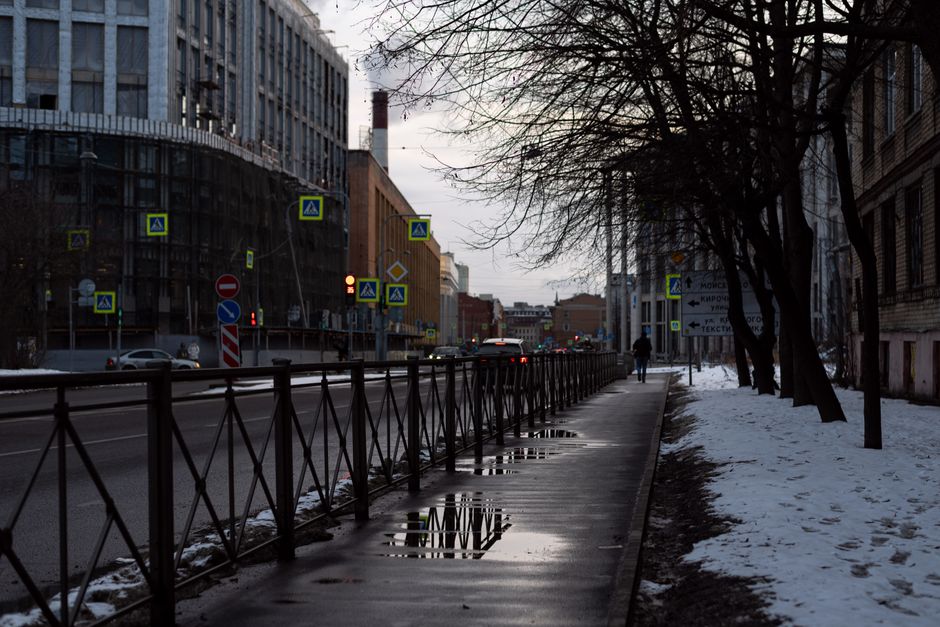
Denver’s sidewalk rules do not take a snow day. The city requires property owners to clear snow and ice from their sidewalks, including adjacent ADA ramps and bus stops, and it directs residents to denvergov.org/Snow for the specifics. Skip that work and two separate problems land on your doorstep: the city’s enforcement process, and a liability exposure that can outlast any ticket by years.
Here is what the rules actually say, where the fines come from, and why the money you save by waiting out a storm is usually the most expensive money you will ever keep.
What Denver Actually Requires of Property Owners
Denver requires that property owners clear snow and ice from their sidewalks, including adjacent ADA ramps and bus stops. That is the short version, and it is broader than most homeowners assume. The corner ramp at the end of the block and the bus stop pad nearby are part of the obligation, not somebody else’s job and not the city’s job.
Across Colorado, most cities give property owners a set window after snowfall stops, usually 24 hours, before enforcement begins. Denver ordinances require snow removal within specific timeframes, and commercial properties can face fines for non-compliance. Because the exact timing and current fee schedule can change from season to season, confirm the deadline and any current charges directly with the city at denvergov.org/Snow rather than relying on a number you heard from a neighbor.
How Denver’s Enforcement and Fines Tend to Work
In practice, Denver’s process runs largely on complaints. The city offers a way to report a property for failure to remove snow and ice, which means a frustrated neighbor, a mail carrier, or someone who slipped on your walk can put your address in front of a code inspector without ever knocking on your door.
Reporting from January 2023 described the follow-up step clearly: properties that still had snowy or icy sidewalks during a follow-up inspection received a $150 fine. That is the shape of enforcement worth remembering. The first look is often a nudge with time to fix it. The second look, after you have had a reasonable window to clear, is where the money starts.
Treat that $150 as a reported figure from a specific point in time rather than a permanent price list. Fine amounts get revisited, and a county council somewhere in the metro has already debated raising a non-shoveling penalty from $10 to $50. The lesson is not the exact dollar amount. The lesson is that the fee is real, it is tied to a reinspection, and it is easy to avoid by simply clearing the walk.
Sidewalk Liability: The Cost That Outlasts a Ticket
A fine is a one-time bill. A slip-and-fall claim is not. Colorado personal injury attorneys writing about premises liability make the same point every winter, and they make it to homeowners, not just to businesses.
One Colorado notice aimed at homeowners put the risk in plain language: it is a state law that snow must be removed from your sidewalks within 24 hours of a storm, it is not normally enforced, but if someone falls, that changes the situation fast. Read that again. The enforcement gap people brag about is not a legal shield. It is a delay.
What matters after an injury is evidence. A cleared, salted sidewalk with photos and a timestamp is proof you took the duty seriously. An uncleared walk three days after a storm is proof you did not. That is the whole argument, and it is decided by records, not by intentions.
Commercial Properties and HOAs Face More Scrutiny
Denver ordinances require snow removal within specific timeframes, with commercial properties facing potential fines for non-compliance. Facilities with parking lots, entry walks, and multiple tenants have more surface area to clear and far more foot traffic crossing it before 9 a.m. A 4 a.m. lot clearing is not a luxury for these properties. It is the difference between a normal Tuesday and a claim.
HOA boards carry a version of the same problem. The board may not own every sidewalk in the community, but residents treat the association as the responsible party, and reporting tools make it easy to escalate. Boards that can produce GPS-tracked, timestamped logs and before-and-after photos have a completely different conversation with an unhappy resident than boards that cannot.

How Denver’s Rules Compare Around the Metro
Neighboring cities handle snow and ice differently, and the differences matter for anyone managing property across the metro area.
| Location | Requirement | What Non-Compliance Can Mean |
|---|---|---|
| Denver | Clear snow and ice from sidewalks, including adjacent ADA ramps and bus stops, within Denver ordinance timeframes | Properties still snowy or icy at follow-up inspection were reported to receive a $150 fine; the city accepts reports of failure to remove snow and ice |
| Aurora | Remove snow within 24 hours | $25 administrative fee for single-family properties and $50 for all others, imposed after 24 hours and again after 48 hours |
| Wheat Ridge | Shovel within 24 hours of a snowfall of two inches or more | May receive a warning from the city |
| Most Colorado cities | Shovel within a set number of hours after snow stops, usually 24 hours | Fines possible for failure to shovel |
The pattern around the metro is consistent: a roughly 24-hour window, a warning or inspection step, then fees that repeat if the snow stays put. Aurora’s structure shows how quickly charges stack for anyone waiting out a storm, since the fee applies after 24 hours and again after 48. Always verify current rules with the specific city, because schedules and amounts are set locally and can be updated.
Why “Nobody Actually Enforces It” Is a Risky Bet
The most common reason sidewalks stay buried in Denver is not laziness. It is the belief that the rule is toothless. That belief survives right up until a follow-up inspection or an injury claim, and then it becomes expensive.
Three things make the bet worse than it looks:
- Reporting is simple. The city maintains a channel for reporting properties that have not cleared snow and ice, so enforcement does not require an inspector to stumble onto your block.
- The clock is short. A 24-hour style window means a storm that ends overnight puts you on the clock before your morning coffee.
- Liability does not wait for a citation. A fall can happen on day two, before the city ever visits, and the civil question gets asked regardless of whether a fine was issued.
Freeze-thaw cycles make this sharper. Snow that melts and refreezes into glare ice on a north-facing walk is more dangerous than fresh powder, and it is exactly the condition that draws complaints.

What Getting It Handled Actually Looks Like
Clearing a Denver sidewalk properly means more than pushing snow off the middle of the path. It means the full width, the ADA ramp at the corner, the bus stop pad if one sits adjacent to your property, and the walkway between the sidewalk and your front door. It also means de-icing after the shovel, because a clean path that ices over at dusk has solved half the problem.
For homeowners who travel, work long shifts, or simply cannot shovel safely, a seasonal contract removes the deadline problem entirely. Denver Snow Removal at denversnow.com, operated by MileHiSnow, has been family-owned since 1974 and runs routes strictly inside the City and County of Denver, Glendale, Edgewater, Englewood, East Lakewood, and West Aurora within 10 miles of downtown. That hyper-local routing keeps crews on surface streets instead of sitting on a closed highway, with 2 to 4 hour response and photo proof before and after each visit. Seasonal contracts and per-push pricing run $35 to $85 inside the service area, and pet-friendly Ice Slicer handles the refreeze without tearing up concrete or paws.
The point of all that paperwork is defensive. Timestamped, GPS-tracked logs and photos are exactly the records that answer a complaint, a fine notice, or a liability question months later. Whether you hire help or shovel it yourself, take a photo of the cleared walk. It costs nothing and it settles arguments.
Frequently Asked Questions
How soon after a snowstorm do I have to shovel in Denver?
Denver requires property owners to clear snow and ice from sidewalks, including adjacent ADA ramps and bus stops, within the timeframes set in Denver ordinance. Most Colorado cities use a window of about 24 hours after snow stops falling. Because the exact deadline can be updated, confirm the current requirement at denvergov.org/Snow before a storm arrives rather than guessing mid-blizzard.
How much is the Denver snow removal fine?
Reporting from January 2023 described properties that still had snowy or icy sidewalks at a follow-up inspection receiving a $150 fine. Fee schedules are set locally and can change, so treat that as a reported figure rather than a guarantee. The practical takeaway is that the penalty attaches at reinspection, which gives you a clear window to fix the problem first.
Can I be held liable if someone slips on my icy sidewalk?
Yes, that is the larger exposure. Colorado injury attorneys who write about premises liability point out that shoveling is a legal obligation in many places and that enforcement is often light, but an injury immediately changes the situation. Cleared walks, de-icer, and dated photos are the evidence that protects you if a claim is ever filed.
Do I have to clear the ADA ramp and bus stop too?
In Denver, yes. The city’s requirement covers sidewalks plus adjacent ADA ramps and bus stops, which catches many owners off guard because those surfaces sit beyond the front of the property. Clearing the ramp at the corner and any nearby bus stop pad is part of the obligation, and those are also the spots most likely to draw a complaint.
What happens if I am out of town when it snows?
The obligation does not pause for travel. A neighbor, a report, or a fall can start the clock while you are gone, and the follow-up inspection happens whether or not you are home. Seasonal contracts exist for exactly this reason, and they turn an unpredictable deadline into someone else’s route stop.