Every winter, the same call comes in from the edges of the metro. Someone in Parker or Castle Rock wants a quote, and the answer is no. Not because the work is hard, but because getting a truck there during an active storm means highway miles that put every customer behind them at risk of a missed driveway.
Denver Snow Removal at denversnow.com is operated by MileHiSnow, and the service area is intentionally small: the City and County of Denver, plus Glendale, Edgewater, Englewood, East Lakewood, and West Aurora within 10 miles of downtown Denver. That boundary exists for one reason. When it snows hard, surface streets inside Denver County keep moving while the interstates do not.
The Map We Work From Every Winter
Routing decisions start with the county line, not with a zip code. If an address sits inside the City and County of Denver, it is normally fair game for a residential or commercial crew. The surrounding cities we cover sit close enough to downtown that a truck can reach them on arterial streets without touching I-25 or I-70 during a blizzard.
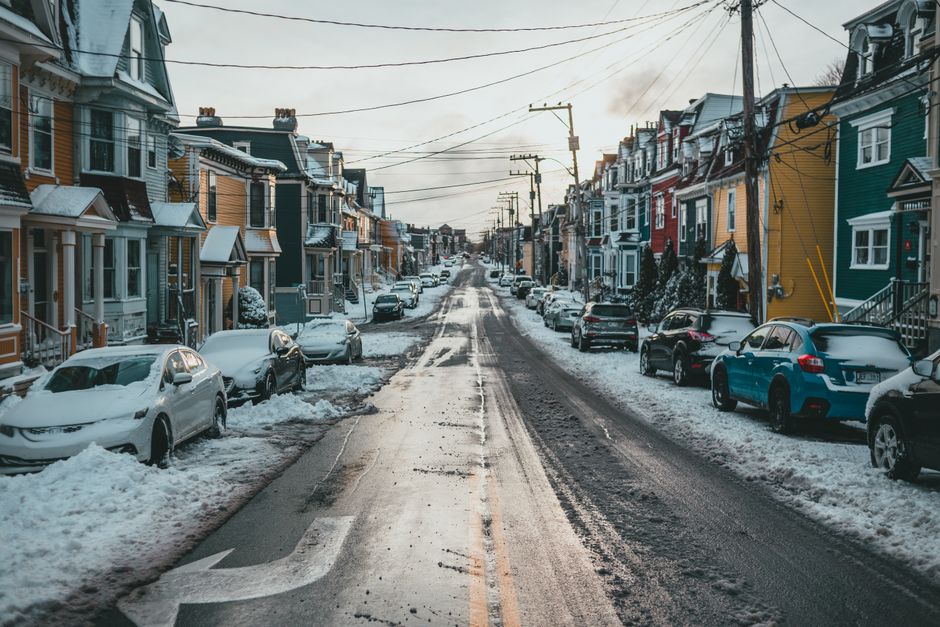
That covers a lot of ground. Capitol Hill, Wash Park, the Highlands, Cherry Creek, and central Denver are all standard routing for us. So are Glendale, Edgewater, Englewood, East Lakewood, and the western edge of Aurora inside that 10 mile ring. Neighborhoods change, street parking rules change, and alley access changes, but the driving math stays the same.
Zip Codes, Neighborhoods, and Why We Confirm by Address
Zip codes are a postal tool, not a service boundary. They do not follow city limits, county lines, or the edges of an HOA. A single zip code can include Denver addresses, unincorporated county addresses, and a neighboring city all at once, which is why we confirm every quote by street address rather than accepting a zip code as proof of location.
This matters most along the south and west edges of the metro, where the boundary between Denver and the next city can run down the middle of a residential block. Two houses across the street from each other can sit in different jurisdictions with different plowing responsibility. If you are unsure which side you fall on, send the address and we will check it before promising a crew.
| Area | Served | Notes |
|---|---|---|
| Denver County neighborhoods, including Capitol Hill, Wash Park, Highlands, Cherry Creek, and central Denver | Yes | Standard routing on surface streets |
| Glendale | Yes | Inside the boundary |
| Edgewater | Yes | Inside the boundary |
| Englewood | Yes | Inside the boundary |
| East Lakewood | Yes | Inside the boundary |
| West Aurora | Yes | Within 10 miles of downtown Denver |
| Brighton, Centennial, Parker, Castle Rock, Longmont, Commerce City north | No | Requires I-25 or I-70 travel during storms |

Why the Boundary Stops Where It Does
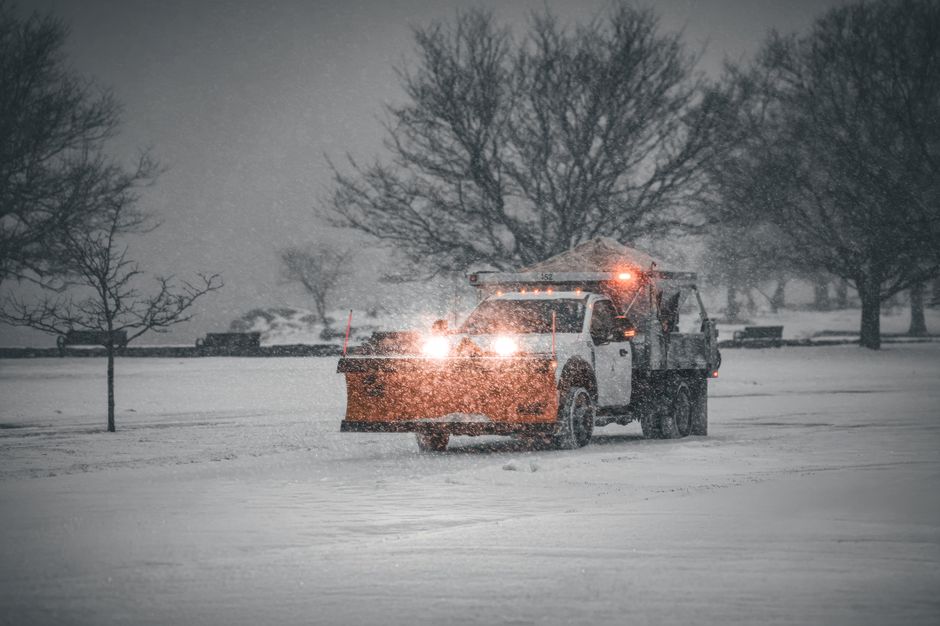
During a heavy storm, a plow truck sitting in traffic on a closed or crawling interstate is a truck that is not clearing anything. Our crews commit to a 2 to 4 hour response window, and that promise only holds if the drive between jobs stays on city streets. Highway travel in a blizzard blows up that window for everyone on the route, not just the customer at the far end.
There is also the question of who owns the road. Denver’s Department of Transportation and Infrastructure handles emergency snow response on the streets themselves. Our work starts at the property line: driveways, parking lots, walkways, entrances, porches, and stairs. Staying inside one county means we know how the city plows behave, where the drifts land, and which blocks get cleared first.
Residential Snow Removal Inside Denver County
Homes are the bulk of what we clear. That means driveways, sidewalks, porches, and stairs, usually before the household is awake and moving. Most residential customers choose either a seasonal contract or per-push pricing, which runs $35 to $85 depending on the property. Both options keep the same crew assigned to the same address all winter, so nobody has to explain the gate code twice.
De-icing and ice melt are part of the service rather than an upsell. We use pet-friendly Ice Slicer, which is non-corrosive, so it will not chew up concrete, landscaping edges, or paw pads the way straight rock salt can. On Denver’s freeze-thaw cycles, the melt step is often what keeps a north-facing walkway usable for the following week.
Commercial and HOA Properties: 4AM Lots and Walkways
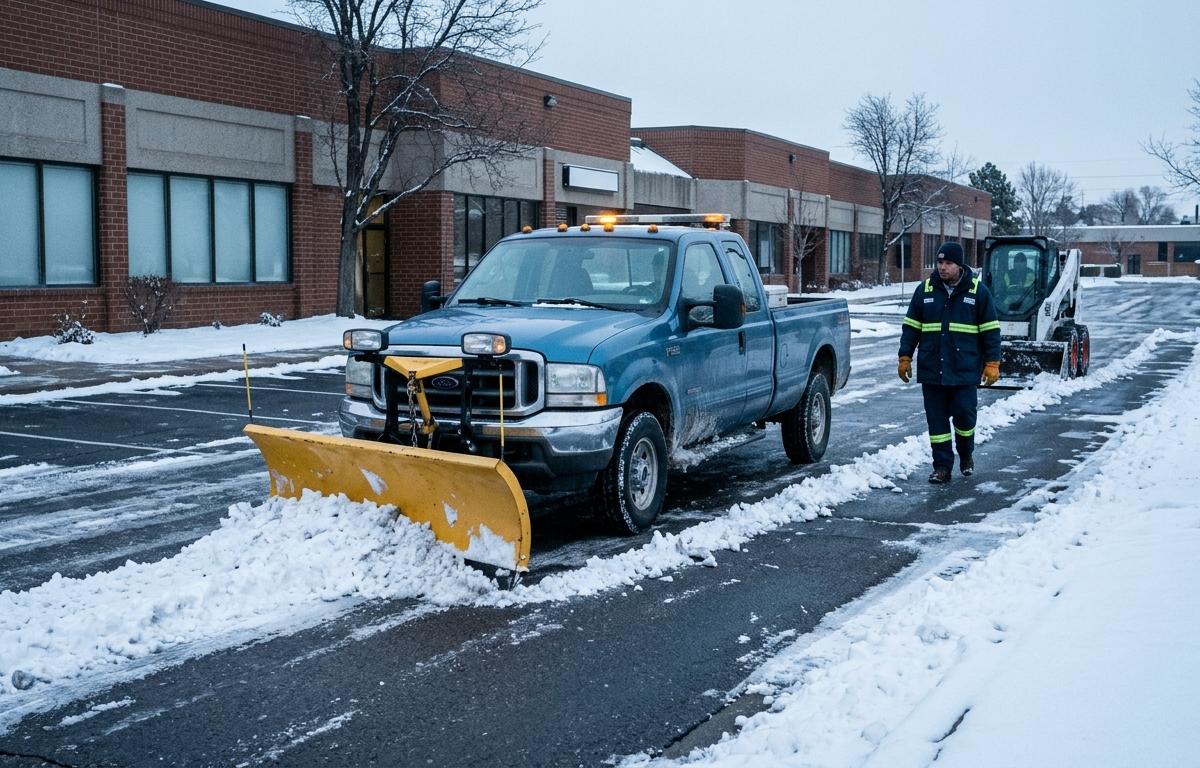
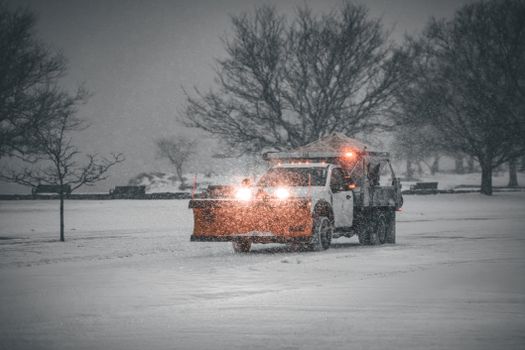
Commercial and HOA accounts run on a different clock. Parking lots get cleared at 4AM so the first employees and tenants arrive to a plowed surface. Walkways, entrances, and ADA paths get attention at the same time, because a cleared lot with an icy front door is not a cleared property. De-icing goes down on the paths people actually use, not just the ones that are easiest to reach.
Property managers and HOA boards get documentation with the work: GPS-tracked, timestamped logs and before-and-after photos. That record matters when a resident asks why the sidewalk was still snowy at 7AM, or when a board wants to compare what actually happened against what was promised.
What Denver Asks of Property Owners
Denver requires property owners to clear snow and ice from their sidewalks. After receiving a notice, businesses have four hours and residences have 24 hours to clear the snow and ice. If you own a home or manage a building inside the city, that obligation belongs to you whether or not a contractor shows up. Rules and enforcement can change, so confirm current requirements with the City and County of Denver before relying on any timeline.
This is one more reason the service area matters. A contractor who cannot reach your sidewalk within the window is not solving your problem. Our whole routing model is built around being close enough that a storm does not turn into a code violation.
Checking Your Address Before the First Storm
If you want to know whether your property falls inside the boundary, have a few details ready:
- The full street address, including any unit or building number
- Whether the property is residential, commercial, or HOA managed
- Roughly how much ground needs clearing, such as driveway length or lot size
- Any access details, like a locked gate, alley entrance, or shared drive
Seasonal contracts fill up before the first significant snow, and commercial routes are built property by property rather than by zip code. Getting an address on the schedule in October is easier than getting it added during a December storm.
We have been family owned since 1974, which means 50 years of Denver winters and 50 years of watching which streets clog first. We are licensed and insured, and we are Denver owned, not an out-of-state crew renting trucks for the season. That history is the reason the service area is narrow. We would rather clear a smaller map well than promise the entire Front Range and show up late.
Frequently Asked Questions
Do you serve every address inside Denver County?
Almost all of them. The City and County of Denver is our core service area, along with Glendale, Edgewater, Englewood, East Lakewood, and West Aurora within 10 miles of downtown. A handful of properties sit in odd spots where access or jurisdiction makes service impractical, so we confirm each address individually before adding it to a route.
What if my zip code crosses into a neighboring city?
Zip codes do not follow city or county lines, so a shared zip code can cover Denver addresses and addresses in another jurisdiction at the same time. We quote by street address instead. Send the full address and we will confirm whether a crew can reach you on surface streets without highway travel.
Do you clear sidewalks and stairs, or only driveways?
Both. Residential service covers driveways, sidewalks, porches, and stairs. Commercial and HOA service covers parking lots, walkways, entrances, and the paths tenants and customers actually use. De-icing and ice melt are included, using pet-friendly Ice Slicer that is non-corrosive to concrete and landscaping.
How fast can a crew get to my property?
Our target response window is 2 to 4 hours, and it depends on staying inside the routing boundary. Because our trucks work Denver surface streets instead of I-25 or I-70 during storms, they keep moving when the highways stop. Commercial accounts are scheduled around 4AM lot clearing so properties open on time.
Do you work with HOA boards and property managers?
Yes. HOA and commercial accounts are a large part of what we do, including seasonal contracts, de-icing, and emergency response. Every visit comes with GPS-tracked, timestamped logs and before-and-after photos, which gives boards and managers a clear record of what was cleared and when. That documentation is included as part of the service, not billed separately.