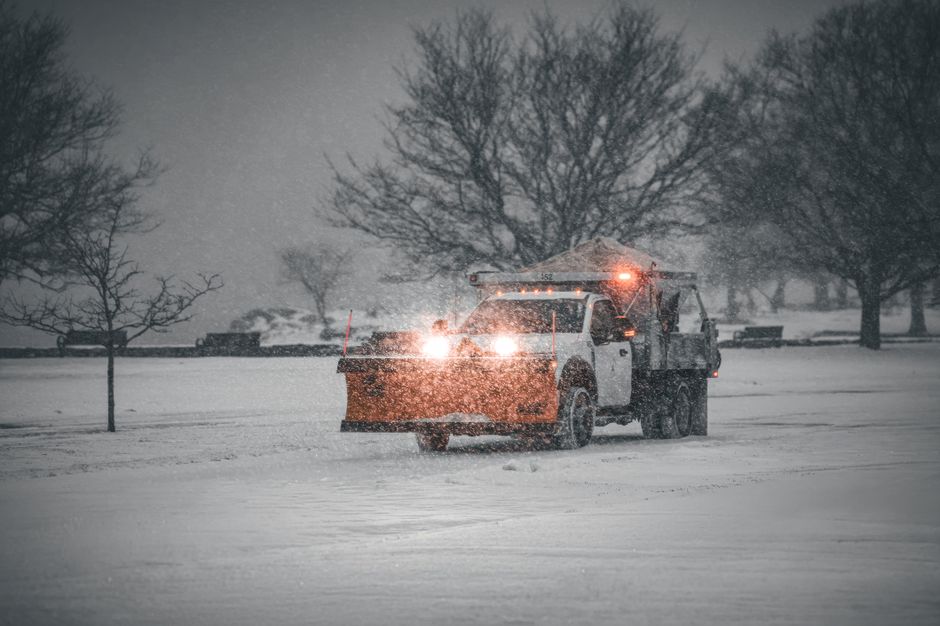
Denver weather does not ease into winter. A Tuesday can be sunny and mild, and by Wednesday morning the sidewalks are buried and the parking lot is a sheet of ice. That is exactly why the decision about who clears your property should not happen during the storm. It should happen in September, with a checklist in hand and a few uncomfortable questions asked in advance.
Most property managers, HOA boards, and homeowners choose a snow removal company in Denver based on a phone call and a price. Then January arrives, the contractor is unreachable, and nobody knows whether the sidewalk was actually cleared or whether the person who hit the building was insured. Three items prevent almost all of that: a certificate of insurance, a written response time, and a site map the crew can actually follow.
Why a Written Checklist Beats a Handshake Agreement
Denver has no shortage of snow removal providers. Directory listings for the metro area run from single-truck landscapers who add plowing in the offseason to established commercial firms that advertise snow hauling, sidewalk clearing, loading dock service, and de-icing alongside landscape maintenance and lawn care. That range is useful, but it also means the same word, “snow removal,” describes very different levels of service.
A written checklist forces the conversation onto specifics. It moves the discussion away from a vague promise to show up and toward triggers, documentation, insurance, and the physical details of your property. The items below apply whether you manage a single driveway in Wash Park or a retail center with a loading dock.
Certificate of Insurance: The First Thing to Verify
Ask for a certificate of insurance before anything else, and do it before the season starts. A COI is a one-page summary your contractor requests from their insurance agent. It does not replace the full policy, but it tells you whether coverage exists and when it expires.
What a COI Should Show
- General liability coverage, which responds if your building, fence, or a customer’s vehicle is damaged.
- Workers’ compensation coverage, which matters if a crew member is injured on your property.
- Commercial auto coverage when plow trucks and salt spreaders are on site.
- Policy effective and expiration dates, so you can see whether coverage runs through the end of winter.
- The named insured, which should match the business name on your contract, not a different entity.
Many commercial clients ask to be listed as an additional insured on the general liability policy, or ask for a waiver of subrogation. Those arrangements vary by policy and by client, so the right move is to state what your lease, lender, or HOA requires and let the contractor’s agent confirm what can be added.
Verify It, Do Not Just File It
A COI is easy to generate and easy to fake, so call the agent or insurer listed at the bottom of the certificate and confirm the policy is active. Check the expiration date against your full winter season. If a policy renews in January, ask for an updated certificate when it does. Also confirm that the certificate covers snow and ice work specifically, since a landscaping policy does not automatically cover plowing.
If you are unsure what coverage your property needs, ask your own insurance broker or attorney rather than relying on a contractor’s description of their policy.

Response Times: Getting the Clock Right
“We respond fast” is not a response time. A usable commitment answers four questions: what triggers a visit, when the clock starts, how long until a crew arrives, and how many times they return during a long storm.
Trigger Depth and Clock Start
- Trigger depth: does a crew come out at one inch, two inches, or four inches of accumulation?
- Clock start: does the window begin when snow starts falling, or when accumulation reaches the trigger depth?
- Return visits: if snow keeps falling for twelve hours, is the property touched once or repeatedly?
- De-icing: is ice melt included in the trigger, or priced and scheduled separately?
- Post-storm cleanup: who returns after the plows have pushed street snow back across the apron or driveway entrance?
Write these into the agreement. Verbal understandings have a way of dissolving during a heavy storm.
What a Two to Four Hour Window Looks Like in Practice
Our own commitment is a two to four hour response window, tracked against the trigger in your contract. That window is realistic because our crews are routed on Denver surface streets inside the county, not dispatched from outlying suburbs onto I-25 or I-70 during a blizzard. Ask any provider where their trucks stage, how many properties each driver is assigned, and what happens when a single storm drops snow across the entire metro at once. A company that services forty properties with two trucks will not hit a four hour window on the biggest snow day of the year.
Site Maps: The Difference Between a Cleared Lot and a Damaged One
A site map is the single most underrated document in a snow contract. It is not the same as a landscaping plan. It is a working diagram that tells a driver, who may be arriving at 4 a.m. in low visibility, exactly where to push, where to pile, and where not to touch.
What Belongs on a Usable Site Map
- Every driveway, sidewalk, walkway, porch, and exterior stair to be cleared.
- Parking areas, entrances, loading docks, dumpster pads, and service corridors.
- Fire hydrants, standpipes, and utility boxes that must stay accessible.
- Approved snow stacking zones, so piles do not block sight lines, drains, or parking spaces.
- No-plow zones: landscaped beds, irrigation heads, decorative pavers, low walls, planters, and anything fragile.
- Gate codes, key locations, and any access restrictions for the property.
Priority Zones and Sequencing
Not every square foot of a property matters equally. Mark the areas that must be cleared first, such as main entrances, ADA paths, and loading areas, and the areas that can wait. That sequencing keeps a driver from spending the first hour on a back lot while the front entrance ices over. It also gives you something concrete to check when you review photo documentation after the visit.
Pricing: Seasonal Contracts Versus Per-Push
Denver snow removal generally gets quoted two ways. A seasonal contract sets a fixed price for the winter regardless of how many times it snows, which makes budgeting simple and is usually the better fit for HOAs and commercial properties with a board or owner to answer to. Per-push pricing charges each time a crew visits, which suits homeowners who want to pay only when the plow actually shows up.
Our per-push pricing runs from $35 to $85 depending on the size and complexity of the property. Ask any provider whether ice melt, hauling, and post-storm return visits are included or billed separately, and confirm what happens in a season with very few storms versus a season with many. That single question exposes more contract differences than a dozen price quotes.
Proof of Service: Photos, GPS, and Timestamps
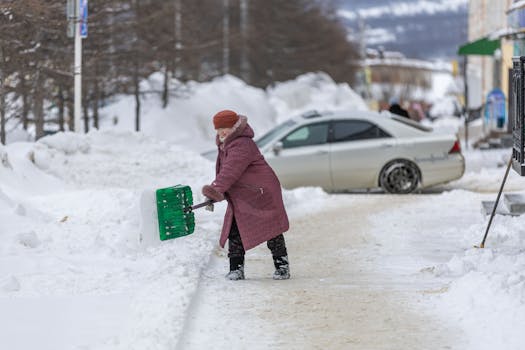
You should not have to guess whether a crew showed up at 3 a.m. Ask how the company documents its work. We provide GPS-tracked, timestamped logs along with before and after photos for each visit, which settles questions about timing and scope far faster than a phone argument. It also creates a record you can hand to an insurer or a board if someone slips on ice that was reportedly treated.
For de-icing, ask which product is used. We use pet-friendly Ice Slicer, which is non-corrosive and gentler on paws, landscaping, and concrete than some alternatives. If your property has pets, salt-sensitive plantings, or older concrete, that detail belongs in the contract too.
The Denver Route Question
Geography matters more than most property managers expect. We are a Denver County-only operation, serving Capitol Hill, Wash Park, the Highlands, Cherry Creek, Central Denver, Glendale, Edgewater, Englewood, East Lakewood, and West Aurora within about ten miles of downtown Denver. We do not travel to Brighton, Centennial, Parker, Castle Rock, Longmont, or Commerce City north, and we do not send trucks down I-25 or I-70 during blizzard conditions.
That restriction is deliberate. A company spread across the Front Range has drivers stuck on highways on the exact morning you need your lot cleared. We have been family-owned since 1974, which is fifty years of Denver winters and fifty years of knowing which surface streets stay passable and which ones do not. When you interview other providers, ask where their trucks are staged at 4 a.m. on a storm day.

A Reusable One-Page Checklist
| Item | What to Confirm in Writing |
|---|---|
| Insurance | Current COI for general liability, workers’ comp, and auto; verified with the agent; coverage runs the full season |
| Response time | Trigger depth, clock start, arrival window, return visits, de-icing schedule |
| Site map | All surfaces, priority zones, stacking areas, no-plow zones, access codes |
| Pricing | Seasonal or per-push, what is included, what is billed separately |
| Documentation | GPS logs, timestamps, before and after photos, ice melt product used |
| Coverage area | Confirm the company actually routes trucks in your part of the metro |
Run through that table once in the fall and you will spend January watching the snow fall instead of chasing a contractor who never answered the phone.
Frequently Asked Questions
How do I verify a snow removal company’s insurance in Denver?
Request a certificate of insurance and then call the agent or insurer listed on the document to confirm the policy is active and covers snow and ice work. Check that the named insured matches the company on your contract and that the expiration date carries through the end of winter. Confirm licensing requirements with the city or county where your property sits.
How fast should a Denver snow removal company respond?
It depends on your contract, but the commitment should be written, not implied. Our response window is two to four hours from the trigger depth in your agreement. Ask any provider what triggers a visit, when the clock starts, whether they return during a long storm, and how many properties each truck is assigned during a metro-wide snowfall.
What should be included on a snow removal site map?
A usable map shows every driveway, sidewalk, walkway, porch, and stair to be cleared, plus parking areas, entrances, loading docks, dumpster pads, fire hydrants, and approved snow stacking zones. It should also mark no-plow areas such as landscaped beds, irrigation heads, and fragile pavers, along with gate codes and access restrictions drivers need at 4 a.m.
Is a seasonal contract or per-push pricing better for Denver snow removal?
Seasonal contracts set one fixed price for the winter regardless of snowfall, which makes budgeting predictable and usually suits HOAs and commercial properties. Per-push pricing charges each visit and works well for homeowners who want to pay only when a crew comes out. Our per-push rates run from $35 to $85 depending on property size and complexity.
Does every Denver snow removal company service the entire metro area?
No, and the difference matters during a storm. We serve Denver County and nearby areas within about ten miles of downtown, including Glendale, Edgewater, Englewood, East Lakewood, and West Aurora. We do not travel to Brighton, Centennial, Parker, Castle Rock, Longmont, or Commerce City north, and we keep trucks off I-25 and I-70 during blizzards. Ask where a provider stages vehicles before you sign.