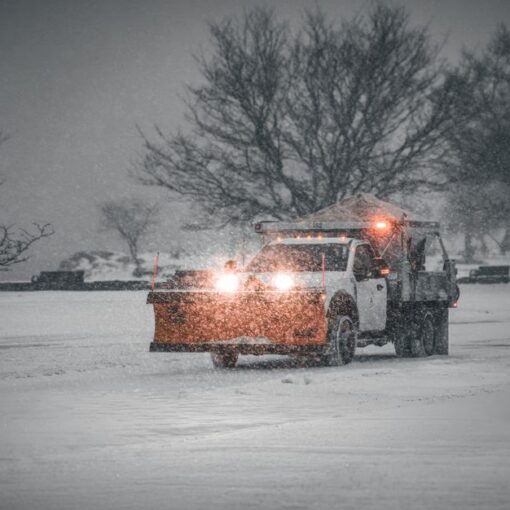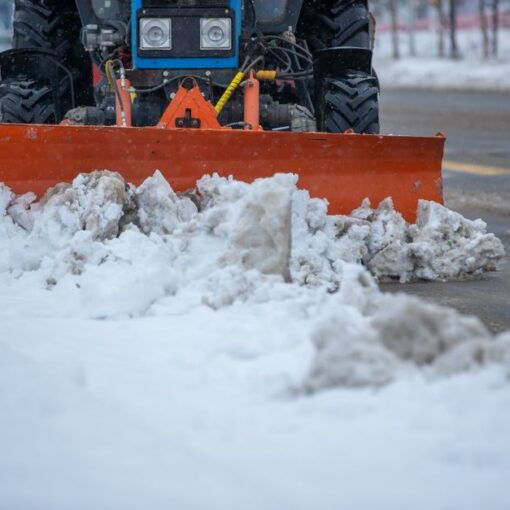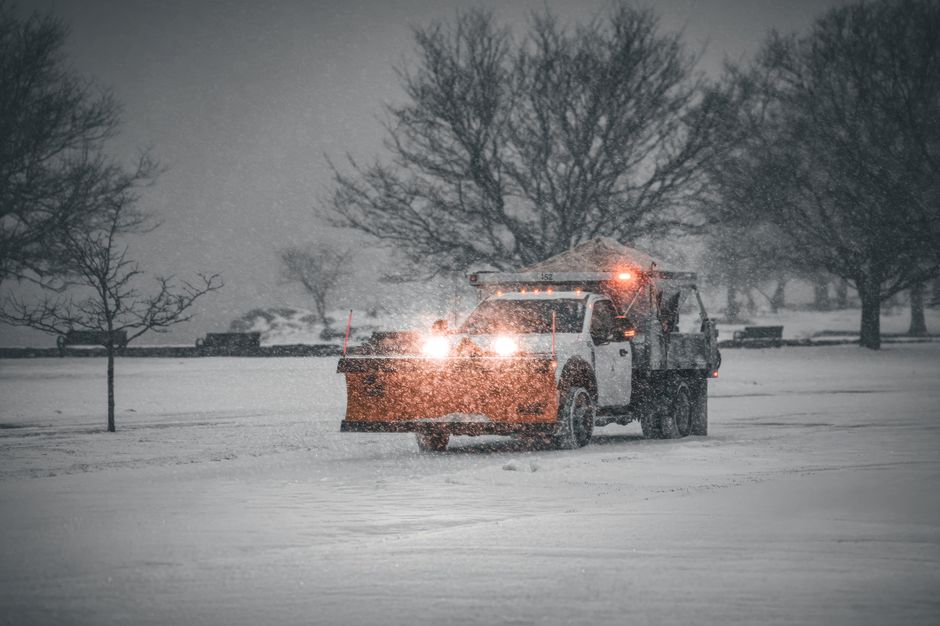
A seasonal snow removal contract in Denver trades uncertainty for a fixed winter number. Instead of watching the forecast and hoping a crew still has room on the route after a foot of snow lands in Wash Park, you lock in service before the season starts and pay one set fee for the whole winter. That is the basic trade, and it is why seasonal contracts fill up first.
The catch is timing. Booking happens months before the first flake, when snow is the last thing on anyone’s mind. Here is what a seasonal contract actually includes, how Denver pricing compares with per-push billing, what to confirm in writing, and how to line up service for the 2026-2027 winter before the good routes are gone.
What a Seasonal Snow Removal Contract Actually Covers
A seasonal contract is a set fee that covers snow removal for the entire winter season rather than charging per storm. Contractors sell it alongside per-time rates and on-call options, so the label alone does not tell you much. The value is in the service standard attached to it: how deep snow must be before a truck rolls, how long after a storm the property should be clear, and which surfaces are included.
Coverage usually centers on the surfaces that create liability and access problems. For homes, that means driveways, sidewalks, porches, and stairs. For commercial properties and HOAs, it means parking lots, walkways, and entrances, often with a target of having the lot clear before the building opens. Ice melt and de-icing may be bundled into the fee or billed separately, so get the answer in the contract rather than in a phone call.
Seasonal, Per-Push, and On-Call Compared
Denver contractors package winter service a few different ways. The right fit depends on how much control you want over cost and how much risk you can carry if a storm cycle drags on for two weeks.
| Contract type | How you pay | Best fit | Watch for |
|---|---|---|---|
| Seasonal | One set fee for the entire winter season | Properties that need guaranteed response and a predictable budget | Trigger depth, exclusions, and whether materials are included |
| Per-push or per-event | Charged for each individual snowfall event | Owners who want to pay only for the storms that arrive | Cost stacking in a heavy winter and priority during back-to-back storms |
| On-call | Pay when you call for service | Occasional use and low-traffic properties | Availability on short notice after a major storm |
Seasonal service usually makes sense if you want the property handled without thinking about it. Per-push billing can be cheaper in a light winter, but you absorb the downside in a big one, and the invoice total is unknown until spring. If predictable cash flow matters more than saving on a mild season, seasonal is the safer structure.
What Denver Snow Removal Pricing Looks Like
Published Denver figures vary widely because square footage, the number of surfaces, travel distance, and service standards all move the number. Use these as planning ranges, then ask for a written scope that matches your property.
| Cost item | Published range |
|---|---|
| Seasonal contract, Denver estimate | About $300 to $1,000 |
| Full winter season contract, alternate estimate | About $200 to $600 |
| Average cost per visit in Denver | About $64 |
| Per-push pricing at denversnow.com (Denver County) | $35 to $85 |
| Heavy snowfall add-on in heavy-snow areas | About $60 per 6 inches |
The lowest quote is not automatically the best one. A low figure may leave important work off the bill, and hidden costs in snow removal contracts are a known trap for Denver property managers. Ask what happens after a 12 inch storm, what a second push on the same day costs, whether ice melt is included or billed by the bag, and how the contractor handles a storm that runs across two service days.
Why the 2026-2027 Season Fills Before the First Storm
A contractor’s winter capacity gets committed in advance. Trucks, drivers, and routes are planned before the season, not assembled after the forecast turns. Once a route is full, it is full, and the properties that signed in late summer get the response times that the ones calling in December will not.
Booking early also leaves room for the parts that need decent weather. A pre-season walkthrough lets you flag problem drains, tight corners, and spots where plowed snow has nowhere to go. Markers can be staked along walks and islands before the ground freezes, which protects turf, irrigation heads, and landscaping. None of that happens well in the middle of a storm cycle.
How to Book Before the Season Starts
Booking is mostly admin work, and it goes faster if you prepare a few things before you start calling contractors.
- Map your surfaces. List every driveway, walk, stair, porch, lot, and entrance you expect to be cleared, with rough square footage.
- Choose a structure. Decide whether you want the fixed winter fee of a seasonal contract or the pay-per-storm approach of per-push billing.
- Confirm the service area. Make sure the contractor actually routes through your part of Denver County and is not crossing highways during blizzard conditions to reach you.
- Request a written scope. It should list surfaces, trigger depth, response window, materials, and exclusions.
- Ask about proof of service. GPS tracking, timestamped logs, and before and after photos settle most billing disputes before they start.
- Sign and schedule a walkthrough. Get the site marked and the contacts confirmed well before the first freeze.
What to Confirm in Writing
Service Area and Route Realism
Denver-only routing matters more than most property owners realize. Ask where the trucks stage overnight and whether a crew has to cross I-25 or I-70 to reach your address during a storm. Storm-day travel is one of the practical reasons response times slip. A contractor working a tight map inside the City and County of Denver can keep a 2 to 4 hour response window far more reliably than one covering a wide suburban spread.
Trigger Depth and Response Window
The trigger is the snow depth that starts the clock. Some contracts specify a depth, others specify a response window measured from the end of a storm. Ask whether the clock starts when snow begins or when it stops, and ask what happens during a long storm that keeps depositing snow for hours. If the answer is vague, the contract is vague.
Proof of Service
Photo proof and GPS tracking are worth asking about up front. Before and after photos show exactly what was cleared and when, and GPS logs confirm the truck was on site. Ask whether photos come automatically with every visit or only on request, and whether timestamps appear on the images.
Ice Melt and Materials
Materials are where budgets quietly move. Ask which product goes on walks, steps, and entries, whether it is included in the seasonal fee, and who decides when to apply it. Pet-friendly Ice Slicer, which is non-corrosive, is available for Denver County properties and is a reasonable request if dogs and landscaping are part of the picture.
Exclusions and Extra Charges
Read the exclusion list before the price. Common gaps include snow hauling, roof clearing, ice dams, and service during a declared emergency. Some contracts also cap the number of pushes per storm or limit service to business hours. A clear seasonal contract tells you exactly what triggers an additional charge and what the rate is.
Residential, Commercial, and HOA Differences
The contract structure is similar across property types, but the service standard is not. Homes generally need driveways, walks, porches, and stairs cleared, with attention to ice on shaded north-facing concrete. Commercial properties usually need parking lots, walkways, and entrances clear before staff and customers arrive, which is why early morning lot clearing is part of the conversation. HOAs sit somewhere between, with shared walks, entrances, and common areas that need consistent treatment so the board is not fielding complaints after every storm.
Frequently Asked Questions
When should I book a seasonal snow removal contract in Denver?
Earlier than most people expect. Contracts are usually signed in late summer and early fall, before the first freeze and well before the first plowable storm. Booking in that window gives you time for a site walkthrough, marker staking, and a written scope. Waiting until the first forecast means competing for whatever route capacity is left.
How much do seasonal snow removal contracts cost in Denver?
Published Denver estimates range from roughly $300 to $1,000 for a seasonal contract, with another estimate listing $200 to $600 for a full winter. The average visit in Denver runs about $64. Your number depends on square footage, how many surfaces need service, trigger depth, and whether ice melt is included. Get a written scope, not just a price.
What is the difference between seasonal and per-push snow removal?
A seasonal contract charges one set fee for the entire winter, so the number of storms does not change your bill. Per-push or per-event billing charges for each individual snowfall event. Seasonal suits properties that need guaranteed response and predictable budgeting. Per-push can cost less in a light winter but adds up in a heavy one, and you carry that risk.
Does a seasonal contract include ice melt and de-icing?
Not automatically. Some seasonal contracts bundle de-icing and ice melt, while others bill materials separately or apply them only on request. Ask which product is used on walks, steps, and entries, whether refills are included, and how each application is documented. Pet-friendly, non-corrosive Ice Slicer is available for Denver County properties.
Which Denver areas are covered by a local snow contractor?
Coverage depends on the company. Denver Snow Removal at denversnow.com, operated by MileHiSnow, serves the City and County of Denver plus Glendale, Edgewater, Englewood, East Lakewood, and West Aurora within 10 miles of downtown. It does not serve Brighton, Centennial, Parker, Castle Rock, Longmont, or Commerce City north. Confirm your address before you sign.