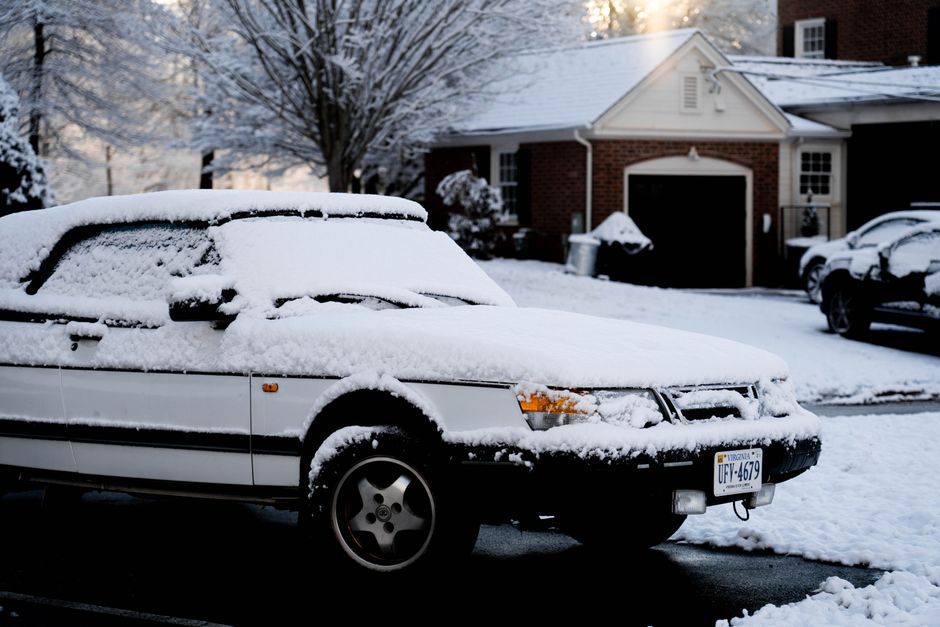
Denver snow does not announce itself. One morning the sidewalks are clear and the lawn is brown, and the next there are six inches of heavy, wet snow on the driveway and a text from a neighbor saying their plow guy never showed. The advice from local contractors is consistent: the time to line up snow removal is before the first snow hits. Fall booking turns a panic purchase into a planned one, and in Denver County that difference shows up in both price and response time.
An early-bird snow removal contract in Denver is a seasonal agreement signed in the fall, before winter demand spikes. You reserve crew capacity, lock in pricing, and set expectations for service triggers, response windows, and proof of work. For homeowners, HOA boards, and property managers inside Denver County, the fall window is the least competitive moment of the year to sign. Waiting until the first storm is the most expensive moment.
Why Denver Snow Removal Schedules Fill Up Before Winter
Snow removal is a capacity business. Every truck and crew can only cover so many properties in a storm, and the number of properties a crew can realistically service in a 24-hour cycle is fixed once the routes are built. When a big storm hits, the contractors who can respond are the ones whose route sheets were finalized weeks earlier. Everyone else is triaging new callers.
That is why the first significant snowfall of the season produces the same pattern every year in Denver. Property managers call around, get voicemail, and take whatever per-push rate is left on the table. Homeowners who assumed their handshake arrangement with a neighbor would hold up find out on the morning of the storm that it will not. Senior homeowners in particular can end up stuck when a promised helper does not appear.
There is also a public-sector piece to understand. Denver’s residential plows handle streets, not your driveway, walkway, or parking lot. When you need your property cleared overnight, you call a private snow removal contractor with an overnight standby crew. That crew’s availability is finite and it gets committed in the order the contracts are signed.
What an Early-Bird Snow Removal Contract Covers
A seasonal contract is more than a promise to show up. The good ones spell out scope, triggers, and documentation. For Denver County residential properties, scope usually includes:
- Driveway clearing from the garage apron to the street
- Sidewalks along the property frontage
- Porches, stoops, and entry stairs
- De-icing and ice melt on hard surfaces after clearing
For commercial and HOA properties inside Denver County, the scope shifts toward parking lots cleared for a 4AM opening, walkways and entrances, and safe paths between buildings. HOA boards typically want common sidewalks, clubhouse entries, and mailbox areas included, plus a clear definition of how much snow triggers a visit.
Two details deserve attention in the contract itself. First, the ice melt product matters. Pet-friendly Ice Slicer and non-corrosive options protect concrete, landscaping, and paws, and it helps to know which product is being used before you sign. Second, documentation matters. GPS-tracked, timestamped logs with before and after photos give a homeowner or property manager a record of what was done and when, which is useful for HOA reporting and for resolving any dispute about a visit.
How Fall Booking Saves Money
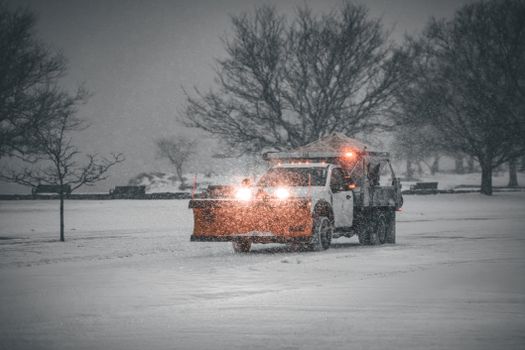
Early booking does not magically discount snow. It changes which pricing structure you end up on and how much risk you absorb. Here is where the savings actually come from.
You avoid storm-week pricing pressure
After a major Denver storm, demand far exceeds supply. Contractors who still have capacity often charge more for per-push work because each new property means reworking a route mid-storm. Signing in the fall, when contractors are building winter routes and have open capacity, puts you on the pre-season side of that curve instead of the emergency side.
A seasonal contract flattens your winter budget
Per-push pricing in Denver County generally runs in the range of $35 to $85 depending on property size and scope, and that number is per visit. A winter with many snow events multiplies fast. A seasonal contract converts an unpredictable stack of per-visit charges into one agreed figure, which is far easier for a household budget or an HOA reserve to plan around.
You are not paying for a scramble
Storm-day service means same-day dispatch, often a premium call-out, and an unclear arrival window. A contracted property booked in the fall is already on a route. Denver County-only routing means crews work surface streets inside the county with a stated 2 to 4 hour response window instead of fighting I-25 or I-70 in a blizzard to reach distant suburbs. Tight geography is cheaper to run, and cheaper to run is cheaper to buy.
| Factor | Seasonal contract booked in fall | Per-push booked after a storm |
|---|---|---|
| Pricing | Agreed before the season, predictable | Per visit, variable with storm volume |
| Capacity | Reserved on a planned route | Subject to whatever is left |
| Response | Stated window, typically 2 to 4 hours in Denver County | Unclear, often longer in peak demand |
| Documentation | GPS, timestamp, before and after photos | Depends on the contractor |
| Budgeting | One known number for the season | Hard to forecast |
Why Denver County Routing Changes the Math
A snow removal company that serves only Denver County, Glendale, Edgewater, Englewood, East Lakewood, and West Aurora within 10 miles of downtown runs a compact route. Crews stay on surface streets. There is no highway travel during a blizzard, which means fewer delays, fewer missed stops, and more properties per shift. That efficiency is exactly what makes a seasonal price workable for the contractor and affordable for the customer.
It also sets honest limits. A Denver County-focused operation does not travel to Brighton, Centennial, Parker, Castle Rock, Longmont, or Commerce City north, and it does not take routes requiring I-25 or I-70 travel during storm conditions. If you live outside the service boundary, book early with a contractor who actually covers your area. A cheap contract with a company that cannot reach you is the most expensive line item of the winter.

What to Have Ready Before You Call in Fall
A short, organized call gets you a faster and more accurate quote. Have the following on hand:
- Full property address, and confirmation that it is inside the contractor’s service area
- Property type: single-family home, HOA common area, or commercial lot
- Approximate square footage of driveways, sidewalks, and lot area to be cleared
- Any stairs, porches, or narrow entries that require hand work
- Where snow can be stacked without blocking neighbors, drains, or accessible parking
- Ice melt preferences, especially pet-friendly or non-corrosive products
- Access details such as gate codes, garage entries, or overnight parking restrictions
HOA boards should add one more item: a copy of the current plowing and liability language from the association’s governing documents, so the scope you sign matches what the board is required to deliver.
How to Vet a Denver Snow Removal Contractor
Price is only one input. Ask for proof of licensing and insurance, and confirm the business is locally owned rather than dispatched from out of state. Ask how response times are measured and whether the crew provides photo proof of service before and after each visit. Ask what happens during a multi-day storm, when routes run long and priority order matters.
Longevity is a useful signal in this trade because snow removal is equipment-heavy and weather-dependent. A family-owned Denver operation that has been running since 1974 has survived enough winters to know how its routes behave in a real event. That history is not a guarantee, but it beats a phone number that appears in October and disappears in March.
Who Benefits Most From Booking in Fall
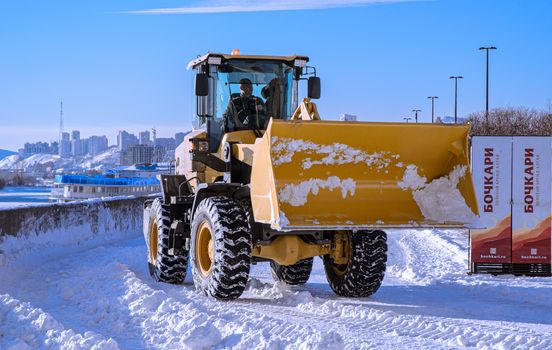
Homeowners with steep driveways, corner lots, or long frontage get the most value from locking a seasonal rate, since per-push charges climb with square footage and visits. Seniors and anyone with mobility limits should book early for safety reasons, not just cost, because a cleared path to the car or the mailbox is a fall risk issue. Commercial property managers with early opening hours need a guaranteed 4AM lot clear, and that slot cannot be conjured after the storm starts. HOA boards benefit from a fixed seasonal number they can build into the annual budget instead of a spring of surprise invoices.
The practical takeaway is simple. Denver winters reward the prepared and bill the unprepared. Booking early bird snow removal in Denver during fall 2026 costs you a phone call now and saves you a premium later, and it puts your property on a route built before the first flake lands.
Frequently Asked Questions
When should I book snow removal in Denver?
Book in the fall, before the first snow hits. That is when contractors are building winter routes and have open capacity, so you get a planned price and a reserved spot rather than competing with storm-week callers. Waiting until the first heavy snowfall usually means higher per-visit costs and a longer, less certain response window.
Is a seasonal contract cheaper than paying per push?
It depends on how many snow events Denver gets, but a seasonal contract makes the cost predictable. Per-push pricing in Denver County generally falls between $35 and $85 per visit, and a long winter with many events adds up quickly. A seasonal figure agreed in fall lets a household or HOA budget one known number.
Does early booking guarantee a faster response?
It reserves you a place on a planned route, which is the main advantage. Contracted Denver County properties typically see a 2 to 4 hour response window with GPS-tracked, timestamped logs and before and after photos. Contractors cannot promise that level of service for properties they add mid-storm after routes are already set.
What areas do Denver County snow removal services cover?
Local Denver-focused contractors serve the City and County of Denver plus Glendale, Edgewater, Englewood, East Lakewood, and West Aurora within about 10 miles of downtown. Confirm your address is inside the boundary before signing. Many companies do not travel to Brighton, Centennial, Parker, Castle Rock, Longmont, or Commerce City north during storms.
What should a snow removal contract include?
Look for defined scope covering driveways, sidewalks, porches, and stairs, a clear snow-depth trigger, the ice melt product being used, and response time expectations. Commercial and HOA contracts should specify parking lot clearing times and walkway coverage. Ask for proof of licensing and insurance, plus photo and GPS documentation of each visit.