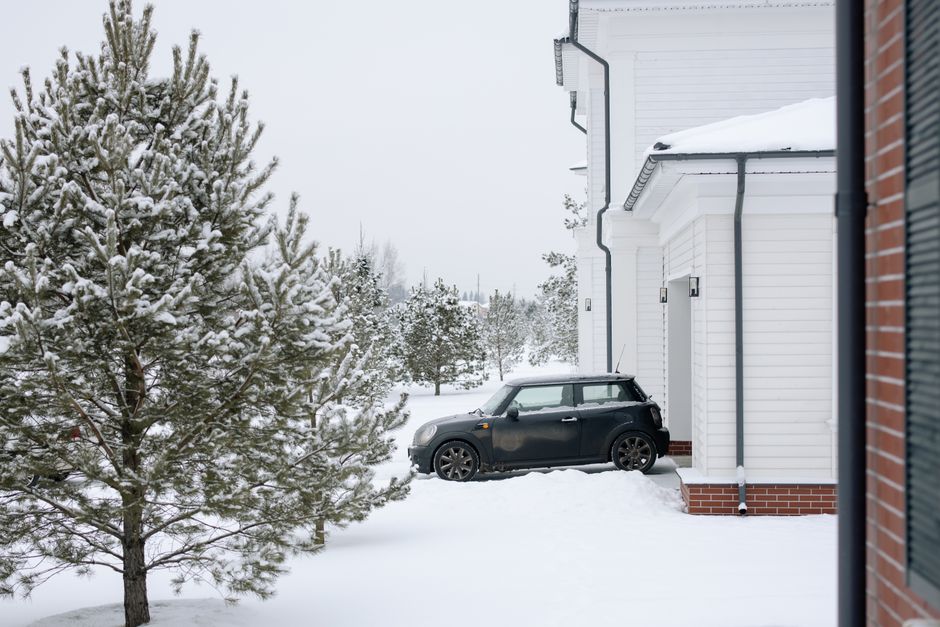
The best snow removal service for Denver residential driveways clears the driveway, walks, porch, city sidewalk, ADA ramps, and bus stops within 2 to 4 hours of storm end, using W-2 crews with no subcontractors, full licensing and insurance, GPS-tracked trucks, and timestamped photo proof after every push. Denver only plows main streets and makes one center pass on residential streets, so homeowners are legally responsible for clearing sidewalks themselves.
Table of Contents
- What does Denver actually require homeowners to clear after a snowstorm?
- What should you look for in a Denver residential snow removal company?
- How much does residential snow removal cost in Denver in 2026?
- How do residential, commercial, and HOA snow removal differ in Denver?
- Can you get same-day emergency snow removal inside I-470?
- Which Denver metro areas get residential driveway snow removal?
- How does Denver Snow Removal handle residential driveways?
- What are the red flags when hiring a Denver snow removal service?
- Key Takeaways
- References
What does Denver actually require homeowners to clear after a snowstorm?
Denver property owners must clear snow and ice from sidewalks, including adjacent ADA ramps and bus stops, within 24 hours after snow stops, according to the City and County of Denver. The city does not clear driveways or sidewalks. That responsibility falls entirely on the property owner.
The Denver Department of Transportation and Infrastructure handles roughly 2,050 lane miles of main streets with a fleet of 70 large plows. Residential side streets get a different treatment. The residential plow program, created during the blizzards of 2006-07, covers about 1,260 center lane miles and keeps side streets passable, not bare.

Residential plows run between 3:00 a.m. and 3:00 p.m. and take one pass down the center of every side street. Those plows do not expose bare pavement. Residential areas also receive no de-icing materials because the smaller trucks do not carry them, according to the City and County of Denver.
Enforcement runs through 12 inspectors plus 311 complaints. Uncleared sidewalks can mean a citation. Off-street bike trails with more than one inch of snow are plowed within 12 hours after a snowfall ends, but that is city work, not yours. Your walk, porch, and driveway apron are your problem.
What should you look for in a Denver residential snow removal company?
Look for W-2 employees rather than subcontractors. Ask who is actually holding the shovel. A company that sends its own trained crews has more control over quality, timing, and accountability than one that brokers jobs to independent operators.
A certificate of insurance, known as a COI, should be standard. The company should also run 24/7 dispatch and state a 2-hour core response time inside I-470. If a provider cannot produce a COI or name a response window in writing, move on.
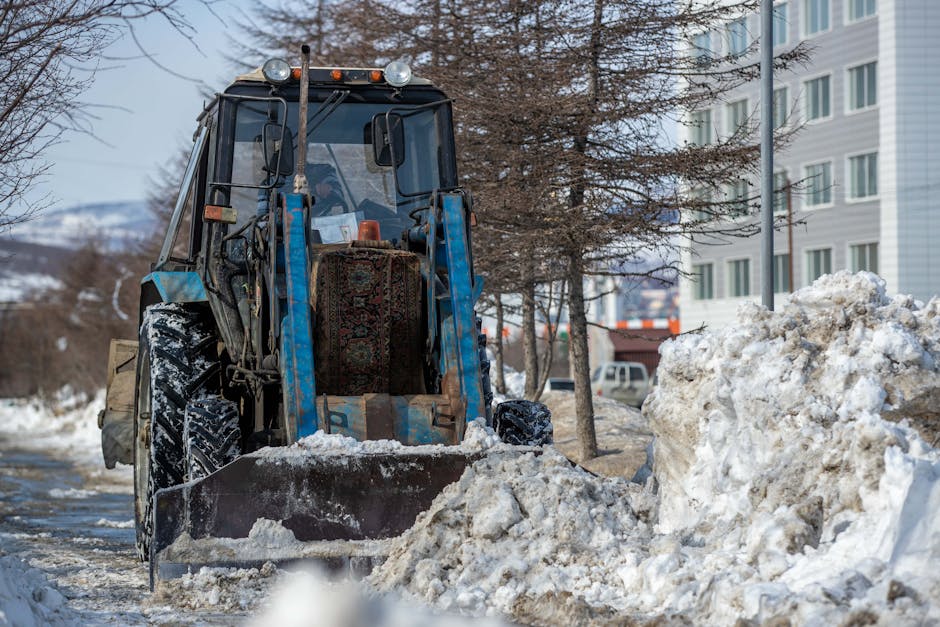
Trigger depth matters. Zero-tolerance service means the crew clears at any accumulation. A 1-inch trigger means they only show up after an inch has fallen. Know which one you are buying before the first storm hits.
GPS-tracked trucks with timestamped before-and-after photo proof are the new baseline for accountability. De-icing should be included rather than billed as an add-on. Revisits during long storms matter too. A 10-inch dump should not leave you with a frozen berm at the apron, according to Colorado Curbing and Landscape.
How much does residential snow removal cost in Denver in 2026?
Residential snow removal in Denver typically costs $35 to $65 per visit, depending on driveway size, snow depth, and whether walks or salting are included, according to GreenPal. Hourly minimums commonly fall in the $30 to $70 range. GreenPal's Denver data shows a typical cost of $35 to $55 with a median response time of 17 minutes.
Per-visit pricing floats with weather. A light dusting costs less than an 8-inch storm. Some GreenPal-listed providers price by snow depth. Inspiring Landscape, rated 4.8 out of 5 stars with 983 reviews, charges $50 to $130 for light to 8-plus-inch snow. Powers Services, rated 4.6 out of 5 stars with 2,548 reviews, charges $65 to $100 for the same range.
Seasonal contracts lock your price and guarantee priority. The time to book is late summer to early fall, before the first October snow. Per-storm pricing rises in a heavy year. Seasonal pricing does not. Colorado Curbing and Landscape offers seasonal contracts that include automatic clearing after storms, priority scheduling during heavy snowfall, and multiple visits for long storms, according to Colorado Curbing and Landscape.
How do residential, commercial, and HOA snow removal differ in Denver?
Residential snow removal covers the driveway, walk, porch, and city sidewalk, the full path from garage to street. The scope is small but legally important because Denver requires property owners to clear sidewalks, ADA ramps, and bus stops within 24 hours after snow stops, according to the City and County of Denver.
Commercial and HOA lots run 20 to 100 stalls with 4 a.m. starts, a certificate of insurance on file, and photo logs for property managers. The work is larger, the timing is earlier, and the documentation requirements are stricter than a single-family driveway.
HOA and commercial clients need completion archives, insurance certificates, and timestamped proof of every push. Property managers answer to boards and tenants, so the paper trail matters as much as the plowing.
Contract terms, cancellation policies, and insurance requirements vary by provider. Get them in writing before signing. Colorado Curbing and Landscape notes that snow density, temperature changes, ice formation risks, drifting patterns, shade and sun exposure, driveway slope, and HOA and city requirements all affect how a property should be cleared, according to Colorado Curbing and Landscape.
Can you get same-day emergency snow removal inside I-470?
Yes. Emergency 24/7 same-day snow removal exists inside I-470, with 2 to 4 hour response in core Denver. The service matters most for refreeze zones, shaded north-facing drives, sloped aprons, and sidewalk sections that ice over after plowing.
Refreeze is the hidden problem in Denver. Daytime melt runs across the walk, then freezes overnight into a sheet of ice. Pre-treatment before the storm and post-clear de-icing after it are what actually stop the refreeze cycle. Denver's own anti-icing practice on roads is rare because weather and pavement temperatures must be just right, according to the City and County of Denver. A private crew can be more precise on a single driveway.
Ask any provider what their response window is in writing, not just what the website says. A same-day promise without a stated hour range is not a promise. GreenPal's Denver data shows a median response time of 17 minutes among listed pros, but that reflects inquiry response, not shovel-on-ground time, according to GreenPal.
Which Denver metro areas get residential driveway snow removal?
Residential driveway snow removal covers core Denver and Denver County, plus Littleton, Lakewood, Arvada, Thornton, and Aurora. Service boundaries usually follow I-470 for emergency and same-day coverage. Confirm your address falls inside the provider's route before the season starts, not during a storm.
Neighborhood-level knowledge matters. Sun exposure, drifting patterns, driveway slope, and shade change how each block clears. A south-facing drive in Wash Park melts differently than a shaded north-facing walk in Berkeley. Colorado Curbing and Landscape lists Denver Metro Areas, Castle Rock, and Aurora among its service areas, according to Colorado Curbing and Landscape.
GreenPal lists 16 snow pros near Denver with a median response time of 17 minutes, according to GreenPal. More providers exist in the core than on the edges. If you live in Thornton or Aurora, verify coverage before the first storm. The last thing you want in a 10-inch dump is to discover your provider does not run your street.
How does Denver Snow Removal handle residential driveways?
Denver Snow Removal clears the driveway, walk, porch, and city sidewalk, plus adjacent ADA ramps and bus stops, with 2 to 4 hour response in core Denver and 24/7 same-day emergency service inside I-470. The company has operated since 1974 and runs W-2 crews with no subcontractors.
Every truck is GPS-tracked with live ETA and timestamped before-and-after photo proof after every push. Seasonal contracts lock pricing, include revisits, and can be canceled anytime. De-icing comes in pet-friendly and commercial-grade options for refreeze zones.
For HOAs and commercial clients, Denver Snow Removal provides portal access for logs, COI, and completion archives, with 4 a.m. service on 20 to 100 stall lots. The residential scope matches what Denver requires: property owners must clear sidewalks, adjacent ADA ramps, and bus stops within 24 hours after snow stops, according to the City and County of Denver. More details are available on the Denver Snow Removal home page.
What are the red flags when hiring a Denver snow removal service?
No certificate of insurance is the biggest red flag. If a crew damages your car or a walker slips on your walk, you carry the risk. Ask for the COI before the first storm.
No GPS logs or photo proof means you cannot verify the work happened while you were asleep. A company that cannot show timestamped proof is asking you to trust a promise. Subcontracted labor is another warning sign. The person who quoted your price may not be the person showing up.
No revisits during long storms leaves you to shovel out the plow berm yourself. A 10-inch storm is not one push and done. Vague or missing pricing, and no written response-time commitment, round out the list. Colorado Curbing and Landscape includes automatic clearing after storms and multiple visits for long storms in its seasonal contracts, which is the standard to compare against, according to Colorado Curbing and Landscape.
Key Takeaways
- Denver property owners must clear sidewalks, adjacent ADA ramps, and bus stops within 24 hours after snow stops.
- Denver residential plows make one center pass on side streets between 3:00 a.m. and 3:00 p.m. and apply no de-icing materials.
- Residential snow removal in Denver typically costs $35 to $65 per visit in 2026, with hourly minimums around $30 to $70.
- Seasonal contracts lock pricing and guarantee priority; book late summer to early fall, before the first October snow.
- Emergency same-day service inside I-470 runs on a 2 to 4 hour response window in core Denver.
- Red flags include no insurance, no GPS or photo proof, subcontracted crews, and no revisits during long storms.
- Denver Snow Removal has operated since 1974 with W-2 crews, GPS-tracked trucks, and photo proof after every push.