Denver snow does not follow a schedule. A storm can drop a few inches on one side of the city while another neighborhood gets a heavy, wet layer that freezes solid by morning. The snow itself is only half the problem. The ice that forms behind it is what sends people to the emergency room and sends property managers into a long morning of phone calls.
City plows take care of the main streets. Driveways, sidewalks, shared HOA walkways, and parking lots are private property, and that work belongs to the owner or to a crew the owner hires. This guide covers what snow removal in Denver County actually involves for each property type, what the market charges, and how to pick a provider that shows up while the snow is still falling.
Three Property Types, Three Different Snow Plans
A single driveway and a forty-unit HOA lot do not need the same plan. Timing matters differently for each, and so does the definition of “done.” A homeowner wants a clear path to the car. An HOA board wants every shared walkway safe before residents head out for work. A small commercial lot needs to be open before the first customer or employee arrives.
Homes and Driveways
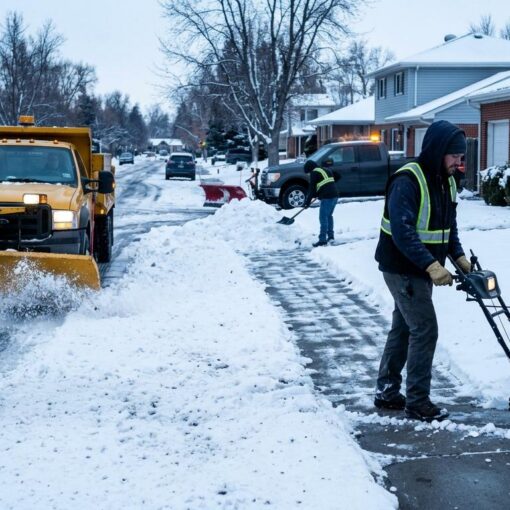
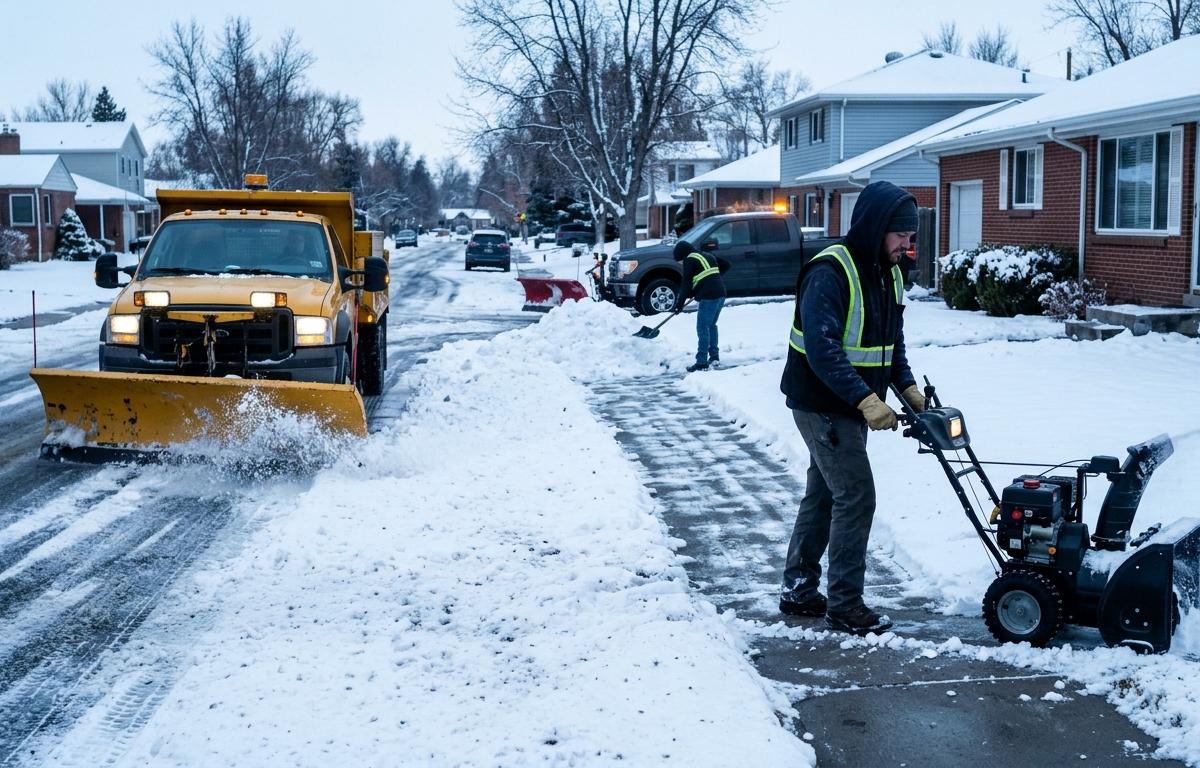
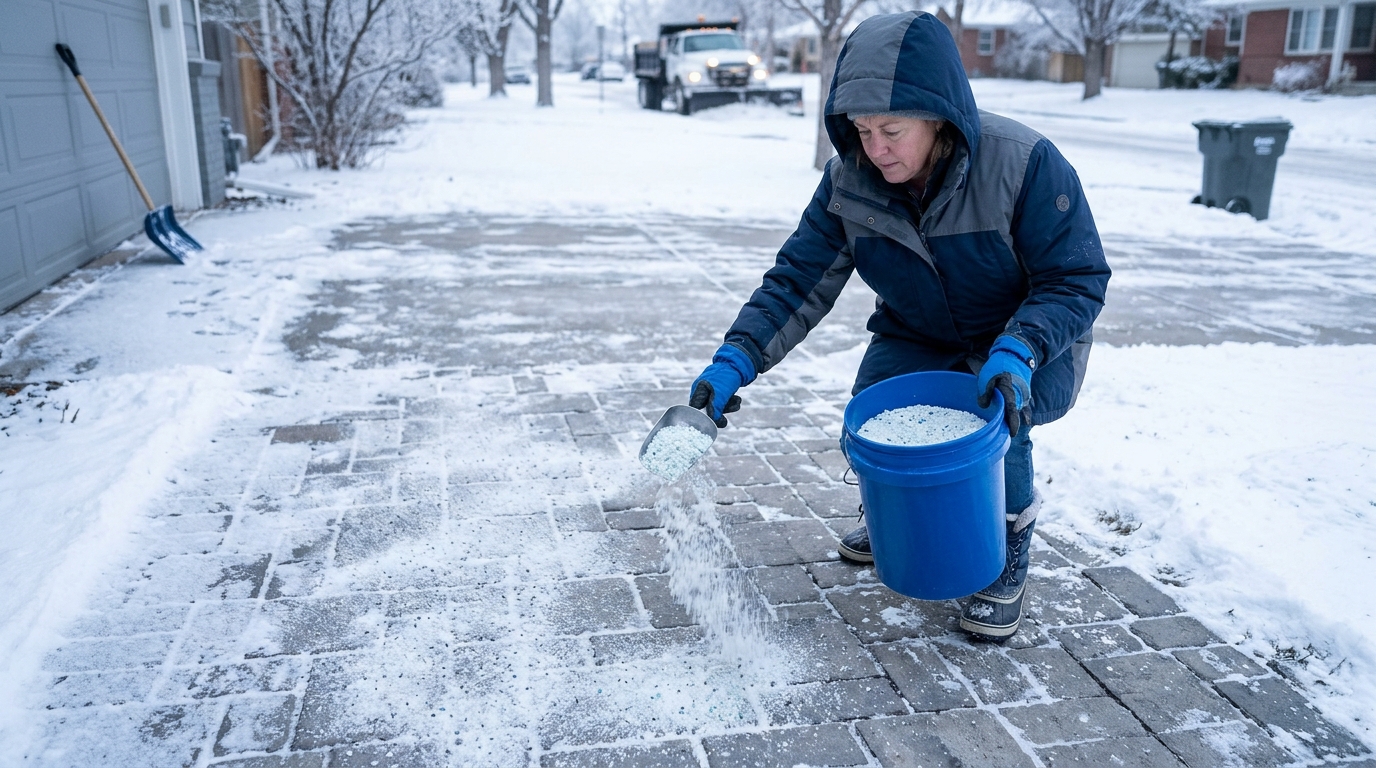
Residential work covers driveways, sidewalks, porches, and stairs. Stairs and porch landings get missed by a lot of operators because they take time and cannot be plowed. They also happen to be where most slip-and-fall injuries occur, so a good residential crew shovels them by hand rather than pushing snow across them. Pet-friendly ice melt matters here too, since dogs and cats walk the same concrete every day.
HOAs and Shared Spaces
HOA and condo work is more complex. There are shared walkways, building entrances, mail areas, and often a parking area or two that different residents use at different hours. An HOA board needs documentation as much as it needs clearing, because boards answer to residents and sometimes to insurers. Timestamped logs and before-and-after photos turn a snowstorm into a record instead of an argument.
Small Commercial Lots
Small commercial properties, meaning strip centers, offices, and small retail lots rather than large industrial sites, need the lot open before opening hours. That usually means starting around 4AM. Parking stalls, drive lanes, walkways, and entrances all need attention, and the ice melt has to be spread where customers actually step, not just where the plow blade reaches.
What the City Plows and What It Does Not
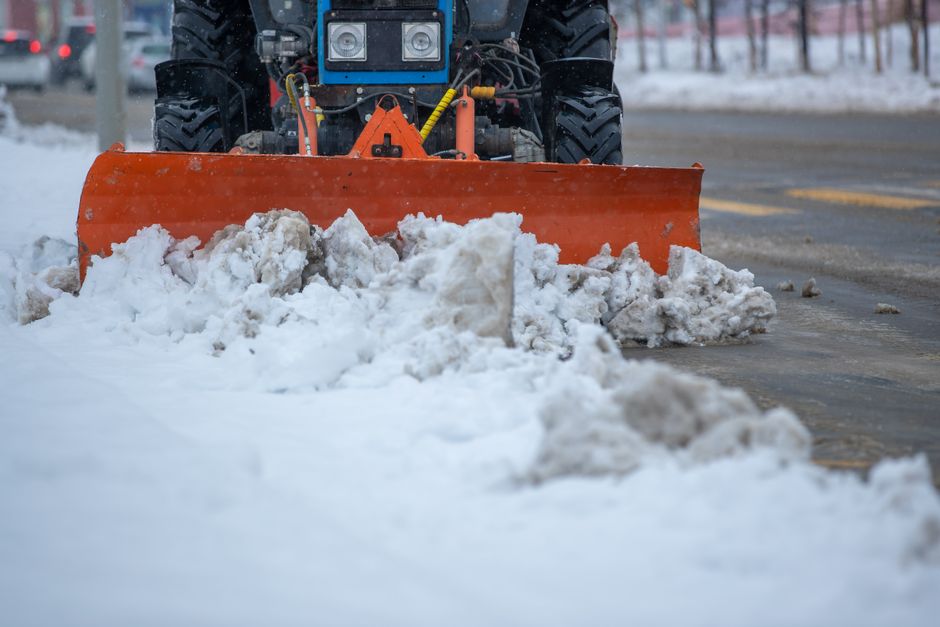
Denver’s Department of Transportation and Infrastructure provides snow response to roughly 2,050 lane miles of main streets. That fleet is built to keep traffic moving on the roads that carry the most vehicles, and it does not clear private driveways, private sidewalks, or parking lots. When a storm is heavy, main streets get attention first and residential blocks come later.
That split is the reason most property owners eventually hire someone. If you are waiting on a city plow to clear the block so you can shovel your own apron, you may be waiting a while. Sidewalk clearing rules and any fines tied to them are set by the city, so confirm the current requirements with the City and County of Denver rather than relying on what a neighbor told you.
Why Denver County Routing Beats a Wide Metro Territory
Plenty of companies advertise snow removal across the entire Front Range. That coverage sounds like an advantage until a blizzard closes the highways and those crews are stuck on I-25 or I-70 with a route that spans from Castle Rock to Longmont. A company that only works inside Denver County keeps its trucks on surface streets, which means shorter drives between jobs and a much better chance of a fast response.
Denver Snow Removal at denversnow.com, operated by MileHiSnow, takes the opposite approach to a wide service map. The company has been family owned since 1974, works exclusively in Denver County and a short list of adjacent cities, and routes on local streets rather than the interstate. That structure is what makes a two to four hour response window realistic during an active storm.

Response Times and Photo Proof
Response time is the number that matters most in a snow contract, and it is also the easiest one to promise and the hardest one to prove. Ask how the time is measured: from when snow starts, from when it reaches a certain depth, or from when you call. Ask what happens if the storm runs for twelve hours and the crew has to come back.
Proof of service is the other half. GPS-tracked, timestamped logs show exactly when a crew arrived and left, and before-and-after photos show the condition of the property. For an HOA board or a property manager, that file is worth more than a phone call saying the lot was done. For a homeowner who travels, it is the difference between trusting a report and wondering whether anyone came at all.
De-Icing and Ice Melt on Surfaces People Touch
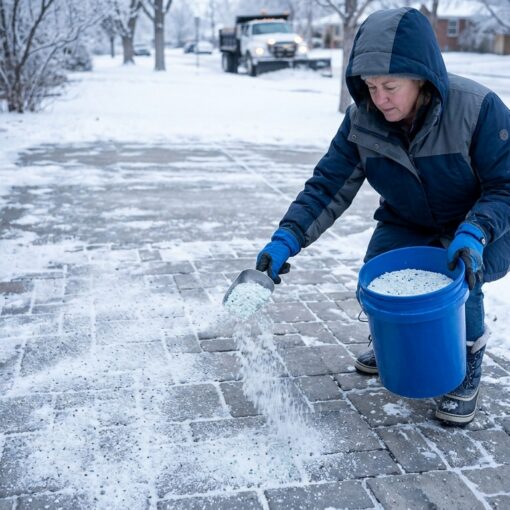
Plowing removes snow. De-icing handles the hard layer underneath that forms when meltwater refreezes overnight. Rock salt does the job cheaply, but it corrodes concrete and metal and it burns pet paws. Pet-friendly Ice Slicer is a non-corrosive alternative that works on walkways, stairs, porches, and entrances where people and animals actually walk.
Timing matters as much as product. Applying ice melt before the freeze sets in prevents the bond between ice and concrete. Applying it after a hard freeze means chipping first and treating second. A crew that treats walkways on the way out, not just the parking lot on the way in, saves property owners a lot of morning headaches.
What Snow Removal Costs in Denver
Published market figures vary widely because lot size, timing, and contract type drive the number. Here is what the available Denver market data shows.
| Pricing reference | Reported figure |
|---|---|
| Average cost of snow removal service | About $80 |
| Typical price range | $65 to $100 |
| Average hourly rate for independent taskers in Denver | About $44 per hour |
| Price one Denver discussion thread called reasonable for a professional company | $150 |
| Per-push pricing for a Denver County property | $35 to $85 |
Those numbers are starting points, not quotes. A short residential driveway and a small commercial lot sit at opposite ends of any range, and an HOA with multiple buildings sits somewhere in between. Hourly tasker rates cover labor only, so equipment, ice melt, and scheduling risk are not included in that figure. Get a written quote based on your actual property, and confirm what triggers a billable visit.
Seasonal Contracts or Per-Push: Choose With Your Budget and Your Risk
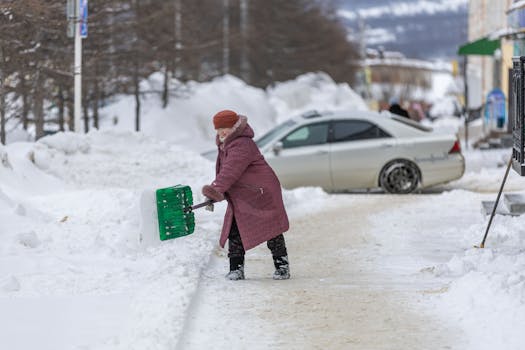
Per-push pricing means you pay each time a crew clears your property, usually within a set range like $35 to $85 depending on size and scope. It suits homeowners who want control over spending and property owners in lower-traffic locations. The tradeoff is that you are exposed to a heavy snow month, and you may be lower in the queue than a contract customer during a citywide event.
A seasonal contract spreads the cost across the winter and locks in service priority. It suits HOAs, property managers, and small commercial lots where a closed lot costs money or creates liability. Denver Snow Removal also handles 24/7 emergency and same-day requests, which covers the gaps when a storm arrives before a contract is signed or when a property needs one-time help.
A Quick Checklist for HOA Boards and Property Managers
- Confirm the company is licensed and insured, and ask for the certificate rather than a verbal yes.
- Get the response window in writing, along with the depth or trigger that starts the clock.
- Ask which surfaces are included: parking areas, drive lanes, walkways, entrances, stairs, and mail areas are not automatically part of every quote.
- Confirm the ice melt product, especially if residents have pets or if the concrete is older.
- Request GPS logs and before-and-after photos as standard, not as a special request.
- Ask who answers the phone at 2AM and how quickly a same-day or emergency request gets routed.
- Verify the service boundary in writing so nobody discovers a coverage gap mid-storm.

Neighborhoods and Cities We Serve
Denver Snow Removal works inside the City and County of Denver plus Glendale, Edgewater, Englewood, East Lakewood, and West Aurora within ten miles of downtown. That includes Capitol Hill, Wash Park, the Highlands, Cherry Creek, and Central Denver. The company is Denver owned, not an out-of-state operation running a franchise map, and the routing stays on local streets.
Where We Do Not Go
This is the part most companies leave out of their marketing. Denver Snow Removal does not travel to Brighton, Centennial, Parker, Castle Rock, Longmont, or Commerce City north, and it does not service any location that requires highway travel on I-25 or I-70 during a blizzard storm. It is a narrow territory by design. Saying no to distant jobs is what keeps the response time honest for the properties inside the boundary.
Frequently Asked Questions
How fast can a crew get to my property after a storm?
Denver Snow Removal targets a two to four hour response window during active storms for properties inside the Denver County service area. Actual arrival depends on storm intensity, how many properties are queued, and current road conditions. Seasonal contract customers are prioritized. GPS-tracked logs record the exact arrival and departure time, so you can see the response window in practice rather than taking it on faith.
Do I need to be home for snow removal?
No. Crews work driveways, sidewalks, porches, stairs, and lots without anyone on site. Before-and-after photos are captured on every visit and paired with a timestamped log, so you have a record of what was cleared and when. That setup works well for homeowners who travel, for rental property owners, and for HOA boards that cannot have someone watching every entrance.
Is the ice melt safe for dogs and pets?
The product used is pet-friendly Ice Slicer, which is non-corrosive and gentler on paws than standard rock salt. It is applied to walkways, stairs, porches, and entrances where people and pets travel. If your building has specific concrete or landscaping concerns, mention them when you set up service so the crew can adjust where and how much product goes down.
What happens if it snows overnight?
Overnight storms are the normal case in Denver, which is why commercial and HOA work often starts around 4AM so lots are open before business hours. Service runs 24/7, and same-day and emergency requests are handled alongside scheduled routes. The trigger for a visit, whether that is a snow depth or a start time, should be written into your agreement so there is no guesswork.
Can I get service for one storm instead of a full season?
Yes. Per-push pricing covers single visits, and Denver Snow Removal also takes 24/7 emergency and same-day requests. Rates typically fall between $35 and $85 depending on property size and scope. If you expect several storms or you manage an HOA or commercial lot, a seasonal contract usually makes more sense because it locks in priority during citywide events.