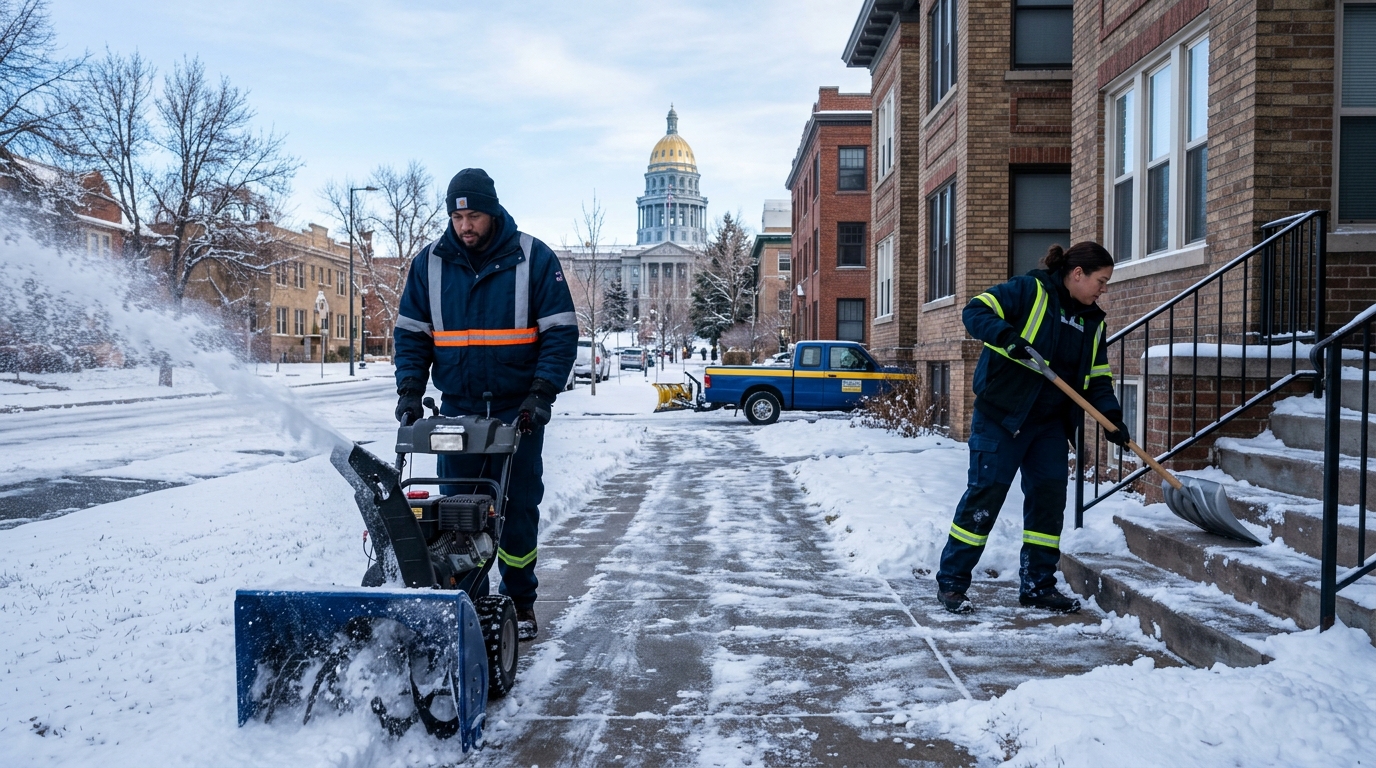
What the City Plows and What It Leaves to You on Capitol Hill
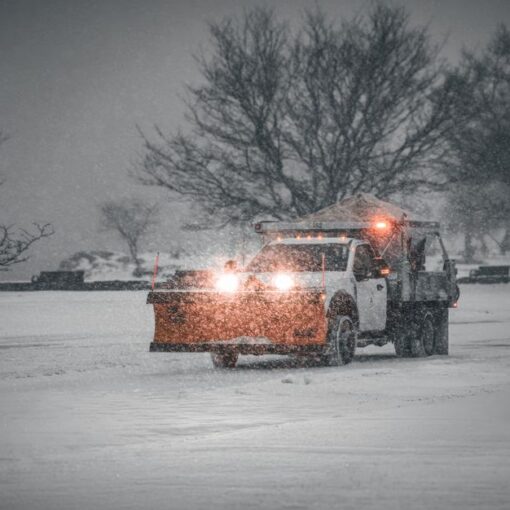
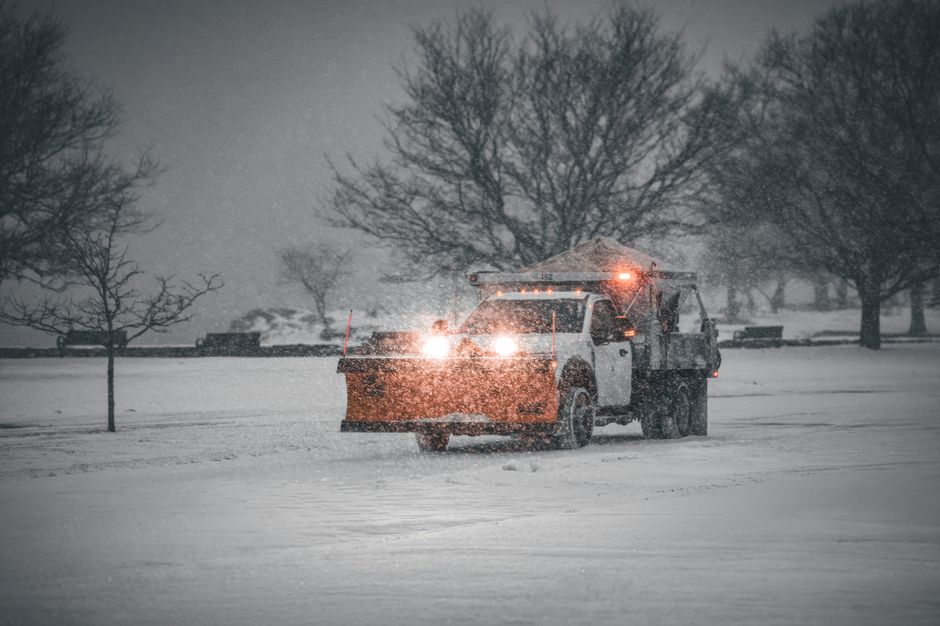
If you are looking for snow removal near Capitol Hill Denver, start by learning where the city’s work ends. Denver’s Residential Snow Plow Program covers roughly 1,260 center lane miles of residential streets, using 4×4 pickup trucks fitted with plows. Crews work between 3:00 a.m. and 3:00 p.m. and make a single pass down the center of each side street. The aim is to shave the top few inches off the snow pack, not to bare the pavement, and residential streets get no de-icing material at all. The program basics are laid out on the City and County of Denver snow removal page.
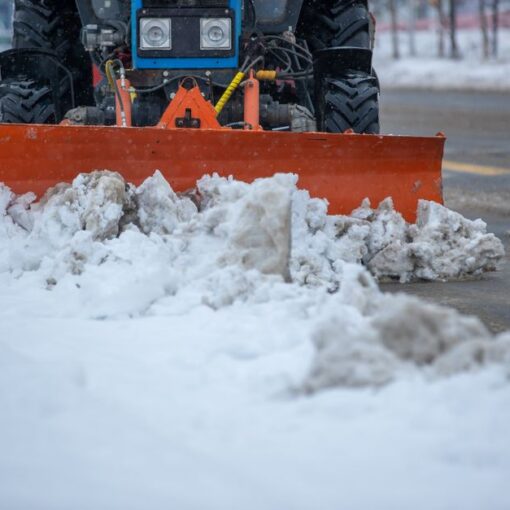
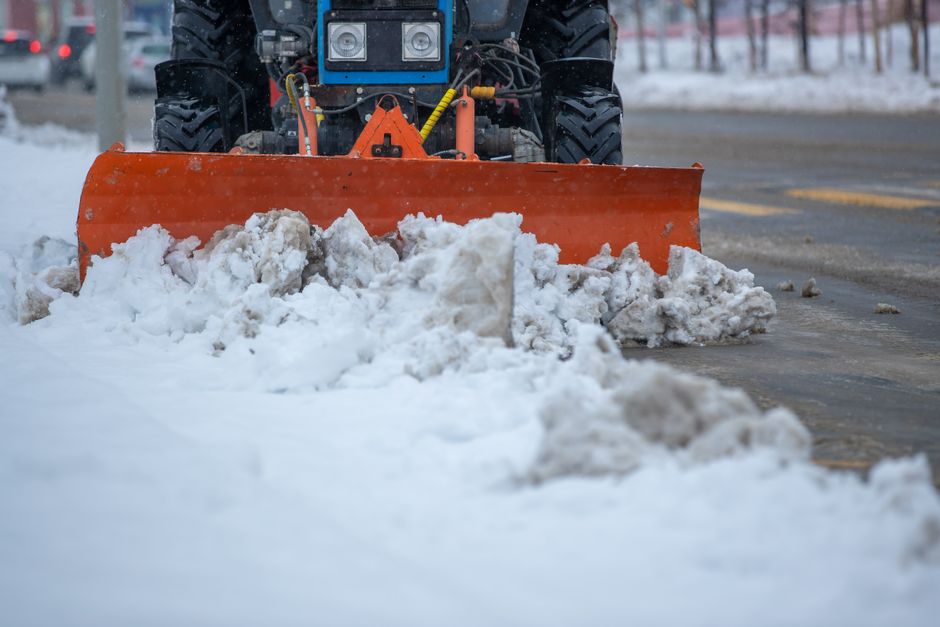
Residential plows don’t roll at a fixed snowfall total. 9News reporting shows the city decides based on whether plowing will actually help, and an older Westword interview with city staff cited four to six inches as a rough threshold. Treat that number as approximate. What matters is this: a moderate storm can leave your side street unplowed for a while, and when plows do come, they leave a ridge of snow along the curb.
Alleys are the bigger problem in this part of town. According to Westword’s explainer on Denver plowing, the city doesn’t plow alleys under the program because there’s nowhere to put the snow. Local contractors describe Capitol Hill as an older, alley-dependent neighborhood with tight lots and street parking that limits plow access. Those are conditions reported by vendors, not verified city data, but they match what many owners see. The city plow clears the middle of the street, and everything between the street and your door, including the alley apron and parking pad, is yours to handle.
A private provider fills that gap. The driveway, the path to the entry, the steps, the ADA ramp and the public sidewalk in front of your property all fall to you. If you manage a building where tenants rely on rear alley parking, ask any provider how they handle alleys, because smaller equipment and hand work often come into play. For more on how neighborhood layout affects crew speed, see fastest snow removal in Denver neighborhoods and why.
Sidewalk Rules, Notices and Fines in Denver
Denver makes sidewalk clearing the job of the abutting owner. The city says that once snow stops falling, businesses must start clearing sidewalks immediately and residences must have them cleared by the next day. That includes adjacent ADA ramps, as noted in 9News coverage of the rules. It applies whether you own the building, rent it out or manage it for a board.
Enforcement starts with a notice. An inspector leaves a time-stamped notice, and the clock starts: businesses get four hours and residences get 24 before a re-check and a possible $150 fine, as 9News explains. Neighbors can set the process in motion too, since the city encourages people to call 311 about an unshoveled sidewalk 24 hours after snowfall.
In practice, fines are rare. Denver7 reported that between Dec. 23, 2022 and Jan. 17, 2023, inspectors issued 2,065 notices and only 45 led to a fine, with the city stressing education over penalties. That should calm a first-time offender, but don’t get comfortable. For a landlord or HOA, the real exposure isn’t the $150 fine. It’s a slip-and-fall on an icy walk nobody treated. A documented record of when your sidewalk was cleared is worth far more than the fine you dodged.
Vendors also say Denver bars pushing snow into streets and alleys, so it has to be stored on the property. That claim comes from commercial sources, so check it against the municipal code before you rely on it. Either way, it affects where a crew can put snow on a small Capitol Hill lot, which is a fair thing to raise when you compare providers. And if you live in a building where the city’s rules apply during a larger event, it helps to understand the Denver snow emergency parking ban, since parked cars can block city plows and private crews alike.
Provider Options: Per-Push, Seasonal and Emergency Service
Most providers sell service in one of three ways, and each suits a different kind of property.
Per-push (per-visit) service bills each time a crew comes out. It’s best for owners who want to pay only when it snows and can live with some uncertainty about the total. Its strength is flexibility: a mild winter costs less. The tradeoff is that you aren’t always first in line when a big storm hits, because contracted customers usually get priority.
Seasonal contracts give you one price for the winter, often with a trigger depth around two inches. Vendors commonly say seasonal agreements must be signed before November 1 to guarantee coverage, though that’s a market habit rather than a rule. This option is best for HOAs, landlords and small commercial owners who need a predictable budget and dependable response. Its strength is certainty, both on cost and on getting a crew when everyone is calling at once. Hybrid and per-inch models exist too, and time-and-materials billing turns up on larger commercial sites.
Emergency or on-call service is for the owner with no contract who just got hit by a storm, or who received an inspector’s notice and needs a sidewalk cleared fast. It’s best for last-minute needs, and it’s usually the priciest way to buy snow clearing, since early-morning, holiday and rush calls tend to carry a premium.
Denver Snow Removal, a family-owned Denver County company operating since 1974, offers plowing, shoveling and de-icing for homes, HOAs, landlords and commercial lots, with a 2-hour core response and 24/7 emergency service. Those are the company’s own commitments, so ask to see how they’re written into any agreement. If you’re weighing service types for different property kinds, our overview of snow removal services in Denver CO for homes, HOAs and commercial properties breaks down the differences, and the guide to snow removal for apartment complexes in Denver covers multifamily needs in more depth.
Typical Pricing Ranges and What Drives Them
Every price for snow removal near Capitol Hill Denver comes from vendor or marketplace data, not an official statistic, so use it as a ballpark and get a written quote. Angi’s Denver figures put the average visit at $64, with most homeowners paying between $42 and $89. Pay-as-you-go service runs about $45 to $110 per visit, and seasonal contracts run roughly $320 to $745 per year for a typical residential property.
Commercial and HOA pricing plays on a different scale. Seasonal contracts for small properties can start around $3,000, while large complexes can reach $50,000 or more, according to one 2025 industry blog that may already be dated. Another Denver vendor cites $150 to $500 per visit for small to medium properties and $3,000 to $10,000 or more per season. The ranges are wide because properties vary so much, which is why a site walk matters more than any published average.
Several factors push a quote up or down:
- Size and layout. A narrow urban lot with a single walk costs less than a rear parking court plus alley access.
- Access and equipment. Tight lots and alleys can call for smaller equipment or hand shoveling, which takes more labor per square foot.
- Steep grades and decorative surfaces. Pavers, stone steps and slopes need more care and sometimes different materials.
- Timing. Early-morning, holiday and last-minute requests usually cost more.
- De-icing. Treating walks for ice adds a line item, and freeze-thaw cycles, especially on shaded north-facing surfaces, make it worth budgeting for.
A seasonal quote that looks cheap deserves a second look at the trigger depth, the service window and whether de-icing is included.
How to Choose a Capitol Hill Snow Removal Provider: Contract and Proof Checklist
No neutral source spells out what a Capitol Hill owner should demand in writing, so the checklist below is a practical one built from the issues above. Use it to compare any bids, ours included.
Confirm they actually serve your block. Ask whether the company works in Denver County regularly or only as an occasional add-on. A neighborhood specialist knows the alleys, the parking patterns and the sidewalk rules.
Ask who shows up. Find out whether the crew are the company’s own employees or subcontractors. Denver Snow Removal uses a licensed, insured W-2 crew with no subcontractors, which keeps accountability in one place. Whatever the provider, get the answer in writing and ask for a certificate of insurance. Our guide to vetting a Denver residential snow removal service before the first storm walks through the questions in detail.
Pin down response time and trigger depth. Get the snowfall amount that starts service and the window in which a crew will arrive. A promise with no number attached isn’t a commitment. Denver Snow Removal’s core response is two hours, with 24/7 emergency service.
Define the scope. List exactly what’s covered: driveway, walks, steps, ADA ramps, the city sidewalk, alley access and de-icing. Spell out where snow will be placed so it doesn’t block egress or violate city rules.
Require proof of service. Documentation protects you if a notice arrives or someone slips. Ask for GPS-tracked trucks and time-stamped photos of every visit, which is how Denver Snow Removal documents its work. That record is your evidence that the sidewalk was cleared in time.
Read the red flags. Vague pricing, no insurance, no written scope and no documentation are warning signs. For a fuller list, see red flags that slow down your clearing.
Finally, if you want to compare crews side by side, use how to compare snow removal crews in Denver and then request a quote for your specific property. Get it in writing before the first storm, not during it.