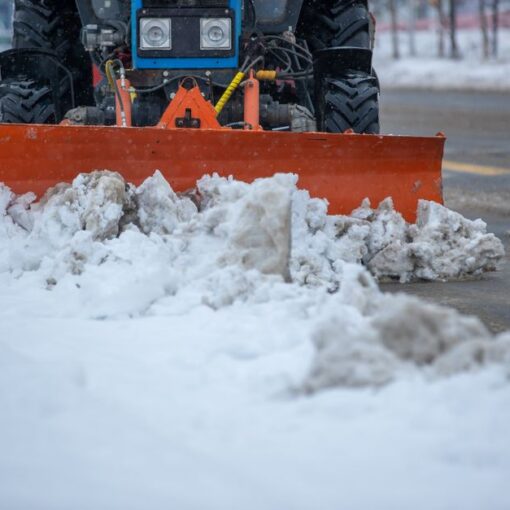
Denver snow does not arrive once and leave. It stacks up over a week, melts at noon, freezes into a skating rink by 9 p.m., and drops another four inches before the plows have finished the first pass. That pattern is why so many property owners in the City and County of Denver end up frustrated with a snow contractor by February. The plow shows up late, or the invoice says the lot was cleared and the lot clearly was not.
The fix is not a better promise. It is better records. Three things separate a contractor you can hold accountable from one you cannot: insurance that protects you if something goes wrong, GPS tracking that shows exactly when equipment arrived and left, and photo proof that shows the condition of the property before and after the work. Here is what each one actually does, and how to check them before you sign anything.
Why documentation matters more than a handshake in Denver
Snow removal is one of the few services where the customer is usually asleep or at work while the job happens. You wake up, look outside, and judge the result. If the sidewalk is still icy or the driveway has a two foot berm at the apron, you have no way to know whether the crew never came, came and did a partial pass, or came at 6 a.m. and got buried again by a second band of snow at 7 a.m.
Those are three completely different situations, and they call for three different responses. Without records, every dispute turns into one person’s word against another’s. With records, the conversation takes thirty seconds.
Insurance: what to verify before the first push
Ask any Denver snow contractor for a certificate of insurance before work begins, and ask to be listed as a certificate holder if you are a commercial or HOA client. A certificate is a one page document from the contractor’s insurer that shows what coverage is active and when it expires. If a company cannot produce one quickly, that tells you something.
General liability coverage
General liability is the coverage that responds when the work damages property. A plow catches a landscaped bed, a truck backs into a parked car in a shared lot, or a skid steer clips a garage door. On a residential driveway the stakes are smaller. In a commercial parking lot with dozens of vehicles, the exposure is significant, and the property owner or HOA is often pulled into the claim.
Workers’ compensation coverage
Workers’ compensation matters for a simple reason. If a crew member is injured on your property and the contractor does not carry coverage, the cost can land on the property owner. Snow work happens in the dark, on ice, around moving equipment, often at 4 a.m. It is a genuinely hazardous job. Confirm that the company carries workers’ compensation for its employees, and ask whether it uses subcontractors. If it does, ask how those subcontractors are insured.
Commercial auto coverage
Plow trucks and salt spreaders are vehicles. They need commercial auto coverage, not a personal policy that excludes business use. This is the coverage that handles a plow truck sliding into a fence, a mailbox, or another vehicle on a Denver side street.
Coverage limits, deductibles, and policy terms vary widely from one contractor to the next. Verify the specifics directly with the contractor and, if you want certainty, with the insurance agent listed on the certificate. Do not assume that a low bid reflects the same coverage as a higher one. Sometimes it does not.
GPS tracking: the arrival and departure record
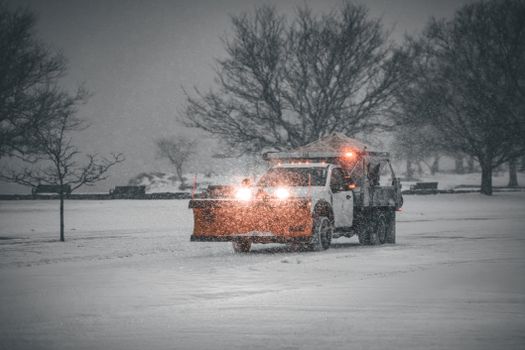
GPS tracking on snow equipment produces a timestamped log of where each truck went and when. For a property owner, that log answers the questions that cause the most arguments.
What a timestamped log should show
- Arrival time at your address, down to the minute
- Time spent on site, including return visits after a second snow band
- Departure time, so you know whether the crew finished or left mid-job
- Which properties were serviced on the same route that night
- De-icing and ice melt applications, not just plowing
This matters most during the storms that Denver handles badly: the heavy, wet snow that falls fast, followed by a hard freeze. A contractor working from a route log can tell you that your lot was cleared at 4:12 a.m., that the crew returned at 9:40 a.m. for a second push, and that ice melt went down at both visits. That is a much better answer than a vague “we were there.”
Why local routing inside Denver County matters
GPS data also reveals something about how a company operates. A contractor whose trucks stay on Denver surface streets can move efficiently between Capitol Hill, Wash Park, the Highlands, Cherry Creek, and Central Denver. A contractor running crews in from outside the metro area has to cross I-25 or I-70 during the worst of a blizzard, which is exactly when those highways back up or close.
MileHiSnow limits service to the City and County of Denver along with Glendale, Edgewater, Englewood, East Lakewood, and West Aurora within ten miles of downtown. That boundary is deliberate. Shorter distances on surface streets mean fewer hours lost to traffic and a response window, advertised at two to four hours, that holds up on the worst nights of the year.
Photo proof before and after
Photos close the loop that GPS opens. GPS tells you a truck was at your address. Before and after photos tell you what the property looked like when the crew arrived and what it looked like when they left.
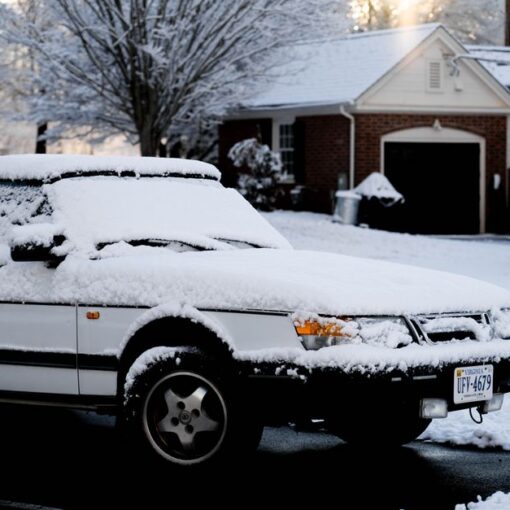
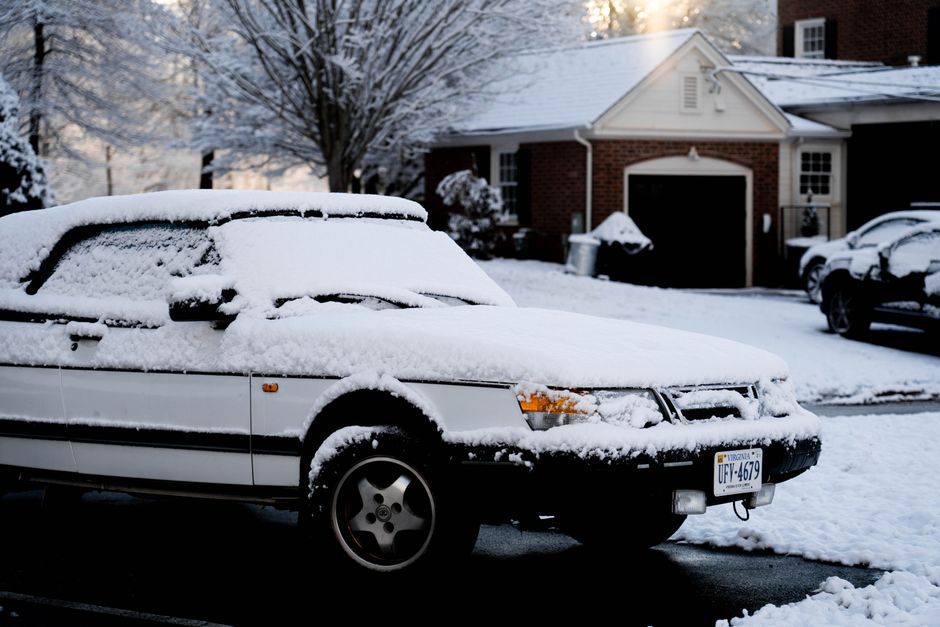
The before photo is the one most contractors skip, and it is the one that protects both sides. It documents the starting condition: the depth of the snow, the car parked in the driveway, the trash bins left in the alley, the ice that was already there. The after photo documents the finished work: cleared driveways, shoveled sidewalks, cleared porches and stairs, salted walkways and entrances.
Together, timestamps and images create a service history you can pull up months later. If an HOA board asks why the association was billed for a Saturday night visit, the file answers it. If a slip and fall claim arrives in March for an event in January, the record shows what was done and when.
| Record type | What it proves | Best used for |
|---|---|---|
| Certificate of insurance | Coverage is active for liability, workers’ compensation, and vehicles | Protecting the property owner from third party claims |
| GPS timestamped log | When equipment arrived, how long it stayed, and when it returned | Confirming response times and second visits after heavy snow |
| Before photos | Starting condition of the property and existing ice or obstructions | Preventing disputes about pre-existing damage or hazards |
| After photos | Finished condition of driveways, walks, stairs, and entrances | Settling billing questions and documenting completed service |
What the city’s own snow response shows
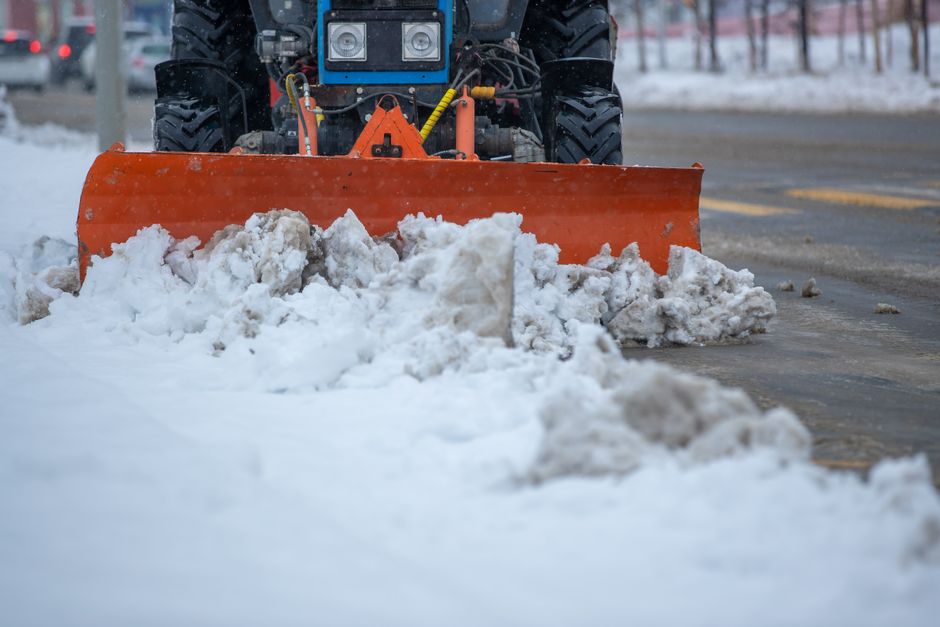
Denver’s Department of Transportation and Infrastructure, known as DOTI, handles emergency snow response for the city. The department describes its approach as efficient, effective, and fiscally responsible. That framing is a useful reminder that snow removal is an operational discipline, not a favor. Routes, timing, equipment, and records all matter, whether the crew is clearing a mile of arterial road or a single residential driveway.
Private contractors do not clear public streets, and DOTI does not clear private property. Homeowners and property managers are responsible for their own driveways, sidewalks, and parking areas within the rules the city sets for sidewalk clearing. Knowing the split keeps expectations realistic after a big storm.

What snow removal costs in Denver
Pricing in the Denver market varies by property type, access, and how the contract is structured. One national service marketplace reports that hiring snow plowing for a home in the Denver area typically runs somewhere between $65 and $100, though that figure reflects a wide mix of properties and providers. Commercial lots and HOA common areas are usually quoted separately because they involve more equipment, more square footage, and liability exposure.
MileHiSnow offers seasonal contracts and per push pricing in the $35 to $85 range for properties inside its Denver County service area. Per push pricing is straightforward: you pay for the visits you receive, and the timestamped log shows exactly how many there were. Seasonal contracts trade a fixed cost for predictable budgeting across the winter.
A vetting checklist for Denver property owners
Before you commit to a snow contractor for the season, run through the same short list.
- Request a certificate of insurance and check the expiration date.
- Ask whether workers’ compensation and commercial auto coverage are in place.
- Confirm the company uses GPS tracking and can send a timestamped log.
- Ask whether before and after photos are included with every visit.
- Find out the actual response window, and whether it applies at 3 a.m. on a holiday weekend.
- Ask which neighborhoods the company serves and whether crews travel highways to reach you.
- Get the pricing structure in writing, whether per push or seasonal.
Documentation for HOAs and commercial properties
For HOA boards and property managers, the documentation burden is heavier. A commercial or HOA contract should specify service triggers, such as a snowfall depth that starts the obligation, and the areas covered: parking lots, driveways, dumpster pads, walkways, and building entrances. Morning deadlines matter for office and retail properties, which is why some Denver commercial providers schedule lot clearing for 4 a.m. so the property is ready before the first employees arrive.
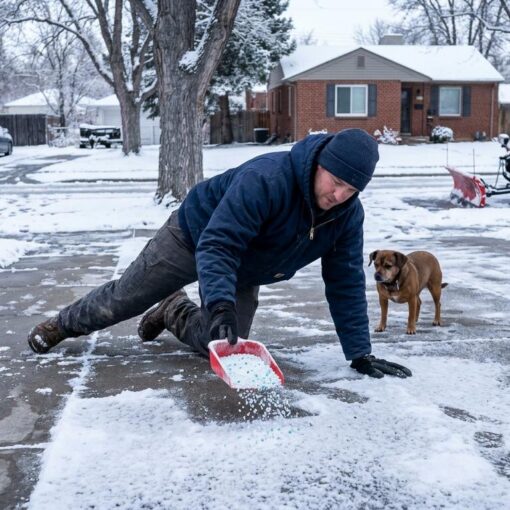
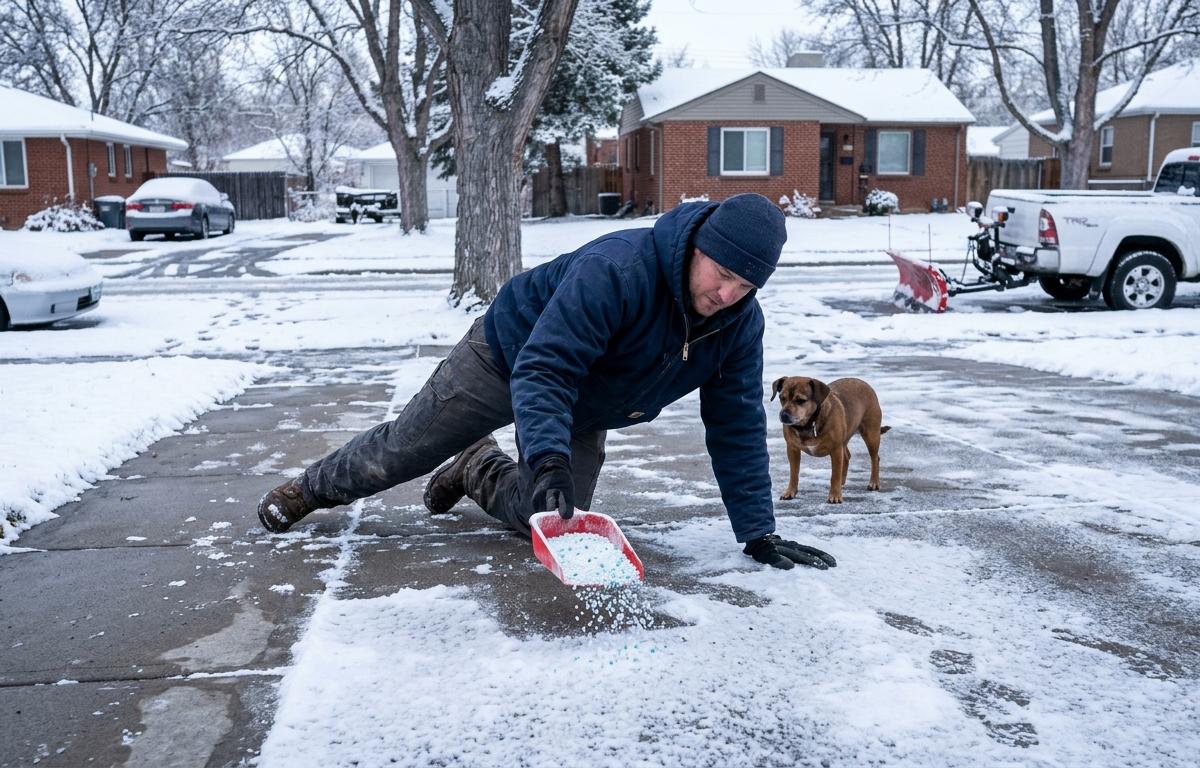
Ask about the de-icing products used, too. Pet friendly options such as Ice Slicer are popular in residential and mixed use settings because they are non corrosive to concrete and metal and safer for dogs walking on treated surfaces. Boards should confirm which product will be applied and where, since different surfaces and landscaping have different tolerances.
Frequently Asked Questions
Do I need to ask a Denver snow removal company for proof of insurance?
Yes. Ask for a certificate of insurance before any work begins and check that it is current. At minimum, look for general liability, workers’ compensation, and commercial auto coverage. If you manage a commercial property or HOA, request to be listed as a certificate holder so you receive notice if coverage lapses during the season.
How does GPS tracking help if I am asleep during the storm?
GPS produces a timestamped record of when equipment arrived at your address and when it left, so you do not have to stay awake to verify service. It also shows return visits after a second round of snow, which is common in Denver storms. You get a factual timeline instead of a verbal summary the next morning.
What do before and after photos actually show?
Before photos capture conditions when the crew arrived, including snow depth, parked vehicles, and ice that was already present. After photos show the completed work on driveways, sidewalks, porches, stairs, and entrances. Together they document the job and help resolve billing questions or damage disputes that surface weeks later.
Does MileHiSnow service areas outside Denver County?
The service area is limited to the City and County of Denver, plus Glendale, Edgewater, Englewood, East Lakewood, and West Aurora within ten miles of downtown. Locations that require highway travel during blizzard conditions, including Brighton, Centennial, Parker, Castle Rock, Longmont, and northern Commerce City, are outside the service area by design.
Is per push or seasonal pricing better for a Denver property?
It depends on how much certainty you want. Per push pricing means you pay for the visits you receive, and a timestamped log shows exactly how many occurred. Seasonal contracts spread the cost across a fixed term and make winter budgeting easier, which many HOA boards and commercial property managers prefer. Ask for both quotes side by side.
Whichever structure fits your property, the standard to hold a Denver snow contractor to stays the same: a current certificate of insurance on file, a GPS log that shows arrival and departure times, and photos of the property before and after every visit. Those three items turn a snow contract from a promise into something you can verify, and they are the reason a property owner can sleep through a storm instead of watching the driveway.