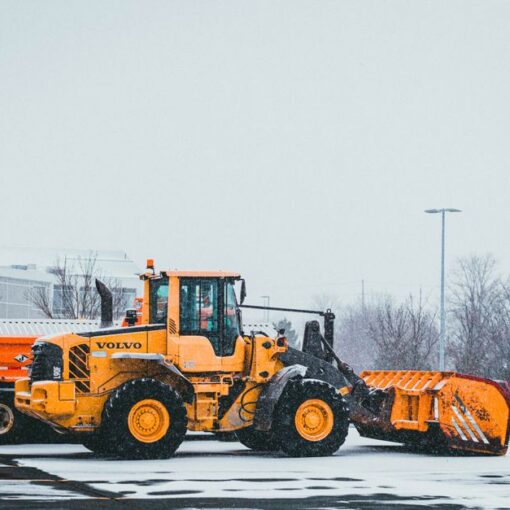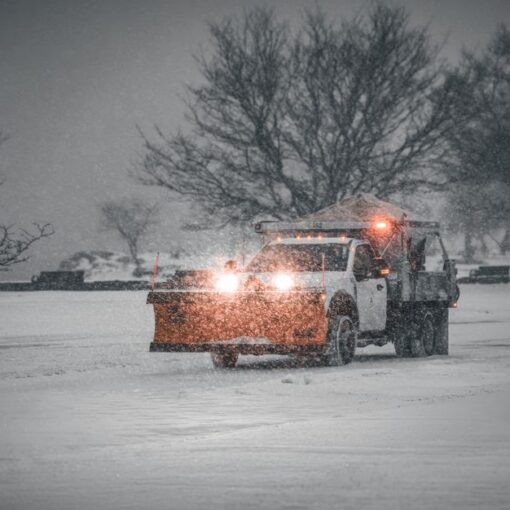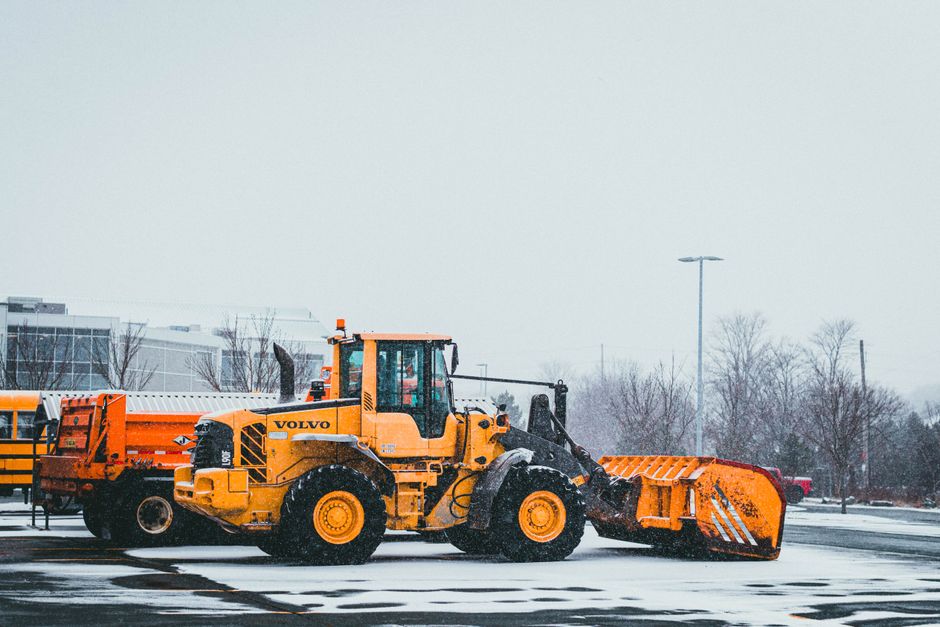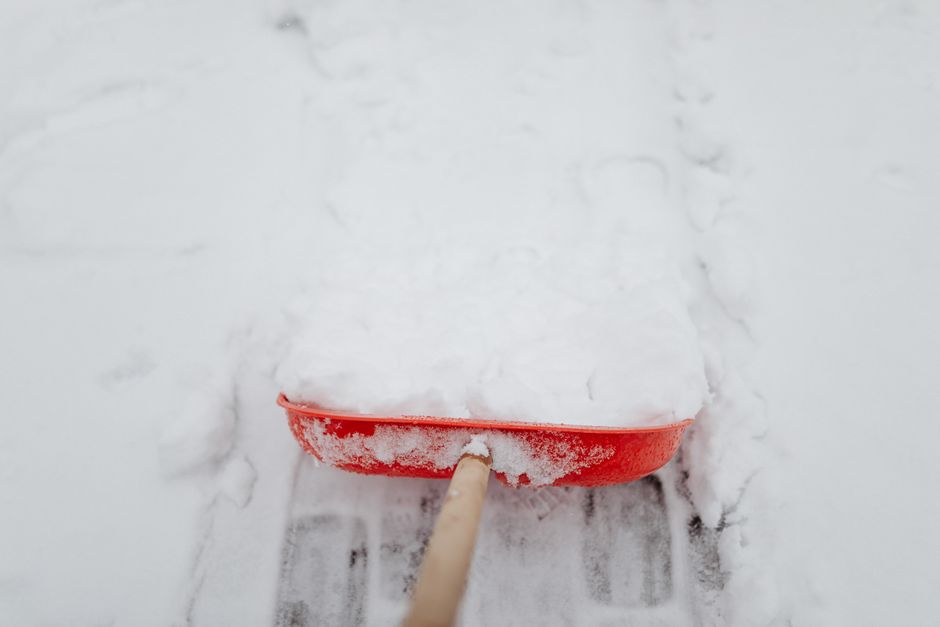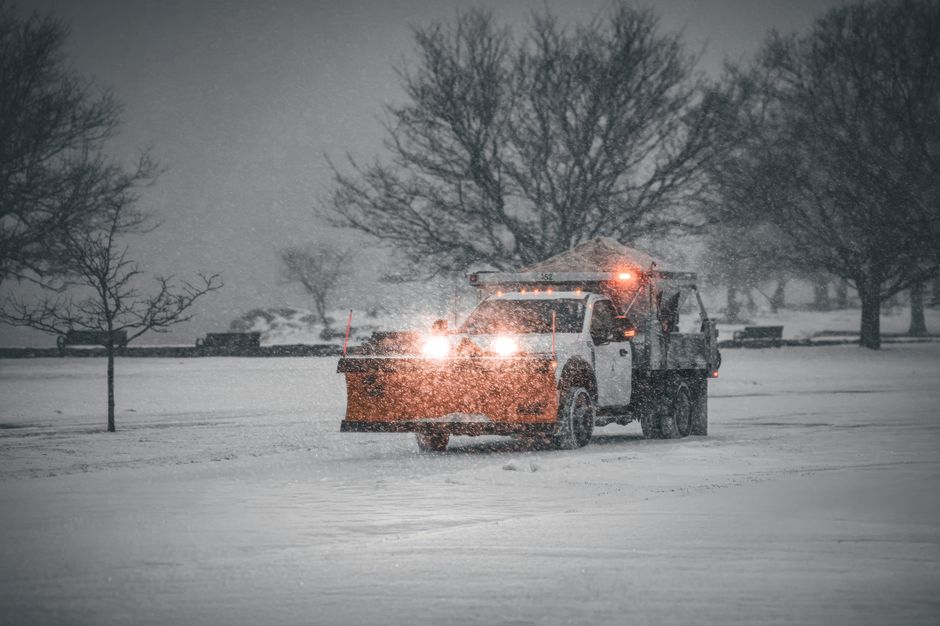

A plow is the right tool for moving volume. It clears the bulk of a storm off a driveway, a sidewalk, or a parking lot and makes the property passable again. What a plow cannot do is break the bond between a thin layer of ice and the concrete underneath it. In Denver, that layer shows up fast, often within hours of a sunny afternoon, and another pass with a blade will usually skate right over the top of it.
That is the point where de-icing services do more for a property than another snow push. De-icing treatments can eliminate existing ice and help prevent more from forming, which can help prevent slip-and-fall accidents. For homeowners, HOA boards, and property managers along the Front Range, knowing when to switch from pushing to treating is a safety decision as much as a maintenance one.
Why Another Snow Push Does Not Always Fix Ice
Snow removal equipment is built to move mass. Once the bulk of a storm has been pushed aside, a thin, packed layer can stay behind, especially on surfaces that see foot traffic or freeze overnight. A plow blade rides across the top of that layer rather than lifting it, and the result is a surface that looks clear in photos but stays slick underfoot.
De-icing works differently. Granular ice melt treatments are spread across high-traffic hard surfaces after snow has been cleared. The granules sit on the ice, break it down, and help stop a new bond from forming as meltwater refreezes. That is why a treatment pass often finishes a job that a plow started, and why scheduling only plowing can leave a property with cleared lanes but dangerous walkways.
Where Ice Hides After the Plow Goes By
The gap between cleared and safe is usually a handful of specific spots. These are the places where meltwater collects, shade lingers, or equipment cannot reach cleanly:
- Shaded sidewalks along the north face of a building, where sun rarely hits the pavement
- Parking structure ramps and drive aisles, which can stay slick even when the main lot is clear
- Loading dock aprons and service entries where foot traffic and deliveries overlap
- Curb and gutter lines where snow piles melt during the day and refreeze at night
- Porch steps, stair treads, and walkway edges where shovels leave a thin residue
- Entry mats and thresholds where tracked snow turns into a wet, refreezing film
These are also the areas most likely to generate a complaint or a liability question. A property can look well maintained from the street and still have a genuinely hazardous path from the car to the front door.
What De-Icing Actually Does
De-icing services are used to prevent or eliminate ice on residential and commercial properties. A treatment can be applied after snow has been cleared to attack ice that has already formed, or it can be used to reduce the chance that melted snow refreezes into a sheet. Both approaches have a place in a Denver winter, and most properties benefit from a mix of the two across the season.
The reactive side handles the morning after a freeze, when the driveway has turned glossy and the sidewalk has a crust that a shovel will not scrape. The proactive side gets ahead of the next refreeze, especially on surfaces that stay shaded through the day. A good program looks at the forecast, the surface, and the traffic pattern rather than treating every property the same way.
Ice Melt vs. Another Snow Push
| Scenario | Another snow push | De-icing treatment |
|---|---|---|
| Fresh snow still sitting on the surface | Best first step, moves volume quickly | Not a substitute for clearing bulk snow |
| Thin, packed ice after clearing | Blade often rides over the top | Granules work at the surface to break the bond |
| Shaded sidewalk or north-facing walkway | Clears snow but leaves a slick film | Targets the ice that shade keeps alive |
| Parking structure ramp or loading apron | Equipment access may be limited | Granular treatment reaches tight, high-traffic spots |
| Overnight refreeze after daytime melting | Does not prevent the refreeze | Helps prevent new ice from forming |
Denver’s Freeze-Thaw Cycle and Curb and Gutter Ice
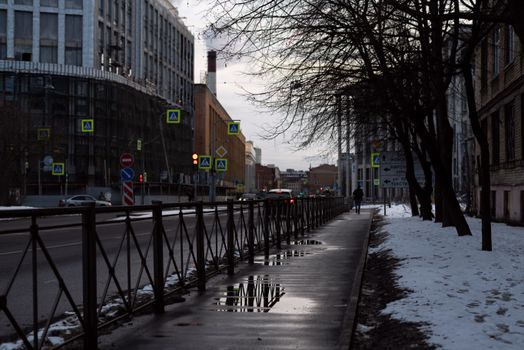
Denver’s winter pattern does a lot of the damage on its own. Daytime warming melts snow into water, and overnight temperatures turn that water back into ice. The city notes that there are many locations throughout Denver where snow and ice accumulates in the gutters when daytime warming melts the snow. That gutter ice is a property-edge problem, and it can back up drainage, create a hard ridge along the curb, and make the last few feet of a walkway treacherous.
Keep an eye on where snow gets piled. Pushing snow from a driveway or lot into the street gutter can make the refreeze worse and create a hazard the next morning. Clearing the private surface and treating the walkway is the part a property owner controls. Street clearing and emergency snow response fall under Denver’s Department of Transportation and Infrastructure, so city streets are a separate responsibility from the private pavement on your side of the curb.
Residential De-Icing: Driveways, Sidewalks, Porches, and Stairs
On a residential property, the risk areas are small but heavily used. The driveway apron, the front walk, the porch steps, and the stairs to a side entrance all get foot traffic at the worst possible time of day, early morning when the ice is hardest. A treatment pass after clearing gives those surfaces a better chance of being safe for the school run, the dog walk, or a delivery driver.
Homeowners also care about what is going on the concrete. A pet-friendly ice melt such as Ice Slicer, which is non-corrosive, is a sensible default for driveways and walkways where pets and kids travel. Different products have different temperature ranges and application rates, so it is worth reading the label and following the spread rate rather than over-applying. More product is not automatically better, and piles of granules at a threshold can be tracked indoors.

Commercial and HOA De-Icing: Parking Lots, Walkways, and Loading Docks
Commercial and HOA properties carry a different set of priorities. The parking lot may be plowed and passable while the ramp, the shaded sidewalk along the building’s north face, and the loading dock apron stay slick. That gap between cleared and safe is exactly what a commercial de-icing program is built to close. For a property manager, the goal is a consistent, documented routine that covers the high-traffic routes before the morning rush.
HOA boards have the same concern at a smaller scale. Common walkways, mail areas, clubhouse entries, and shared driveways need attention before residents are out. A written scope that lists which surfaces get treated, how often, and what proof is provided makes the service easier to budget and easier to defend if a resident raises a concern. Slip-and-fall prevention is the practical outcome, and documentation is what shows the work was done.
Choosing the Right Ice Melt for the Surface
Not every de-icer is appropriate for every surface. Granular products differ in how they work at low temperatures, how much residue they leave, and how they affect vegetation, pets, and metal. For residential walkways and pet areas, a pet-friendly, non-corrosive product is the safer choice. For commercial lots and loading zones, the priority may shift toward speed of action and coverage across a large area.
The practical move is to ask what is being applied and why. A provider should be able to explain the product, the spread rate, and the surfaces it is safe for. If a property has new concrete, sensitive landscaping, or a specific pet policy, say so before the first treatment so the product choice matches the site rather than a one-size-fits-all default.
Timing, Response, and What to Expect During a Storm
De-icing is a timing business. Treat too early and the product gets diluted or pushed away by falling snow. Treat too late and the ice has already bonded, which means more product and more passes. The best results come from a provider who is already routed in the neighborhood and can return after clearing to finish the surface.
Denver Snow Removal at denversnow.com, operated by MileHiSnow, runs 24/7 service with a 2 to 4 hour response window, GPS-tracked routing, and timestamped logs with before and after photos. Seasonal contracts and per-push pricing are available, with per-push pricing in the $35 to $85 range. The company has been family-owned since 1974, which is 50 years of Denver winters and a lot of freeze-thaw cycles.
Denver County Service Area and Local Routing
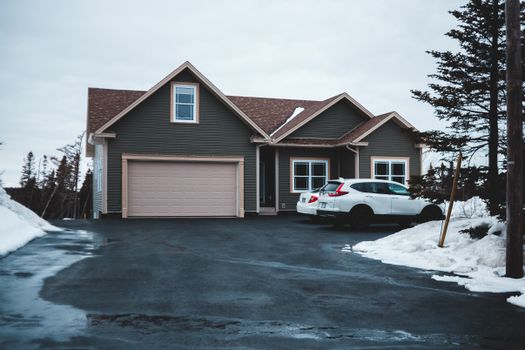
Routing matters more than most property owners realize. A crew that is already inside Denver County can get to a property on surface streets without committing to I-25 or I-70 during a blizzard. That is why the service area is deliberately tight: the City and County of Denver, Glendale, Edgewater, Englewood, East Lakewood, and West Aurora within 10 miles of downtown Denver.
Properties in Brighton, Centennial, Parker, Castle Rock, Longmont, or north Commerce City fall outside that zone, and so does any address that would require highway travel during a storm. The tradeoff is intentional. A smaller footprint means faster arrivals, more consistent treatment, and crews who know which sidewalks hold shade and which gutters collect ice.
Proof of Service: Photos, GPS, and Timestamps
De-icing is easy to promise and hard to verify after the fact, especially when a board or manager is reviewing a season of invoices. Photo proof before and after treatment, GPS-tracked visit records, and timestamped logs turn a verbal claim into a record. That record is useful for budgeting, for resident communication, and for showing that a property’s walkways were treated on a given morning.
Ask for that documentation up front. A provider who can show where the truck was, when the work happened, and what the surface looked like before and after is a provider who can stand behind the service when the next freeze arrives.
Frequently Asked Questions
Is de-icing necessary if the snow has already been plowed?
Often, yes. Plowing moves the bulk of the snow, but a thin packed layer can remain and refreeze, especially on shaded walkways, ramps, and steps. Granular ice melt is spread across high-traffic hard surfaces after snow has been cleared to break down existing ice and help prevent more from forming. That final pass is what closes the gap between cleared and safe.
Can de-icing help prevent slip-and-fall accidents?
De-icing treatments can eliminate existing ice and help prevent more from forming, which can help prevent slip-and-fall accidents. The benefit is strongest on the routes people actually use: entry walks, porch steps, parking ramps, and loading areas. Pairing treatment with timely snow clearing and good documentation gives a property the best practical protection through a Denver winter.
What is the difference between de-icing and ice melt?
The terms are often used together. De-icing is the service of treating a surface to remove or prevent ice, while ice melt refers to the granular product applied. In practice, a de-icing visit includes clearing the surface and spreading a product such as a pet-friendly, non-corrosive Ice Slicer on the high-traffic areas that need it.
Do you treat properties outside Denver County?
Service is limited to the City and County of Denver, Glendale, Edgewater, Englewood, East Lakewood, and West Aurora within 10 miles of downtown Denver. Brighton, Centennial, Parker, Castle Rock, Longmont, and north Commerce City are outside the zone, as is any address requiring I-25 or I-70 travel during a blizzard. The tighter area keeps response times fast.
How quickly can a crew respond after a storm?
Response is typically 2 to 4 hours, with 24/7 availability and GPS-tracked routing on Denver surface streets. During a major storm, call volume rises and scheduled seasonal customers are generally prioritized. Booking a seasonal contract before the first freeze is the most reliable way to secure consistent treatment through the winter.
Ice is a different problem from snow, and it deserves a different response. When the plow has done its job and the surface is still slick, a de-icing treatment is what makes the property genuinely usable again. Plan the treatment side of your winter program before the first refreeze, and the morning after a storm becomes a routine check instead of an emergency.