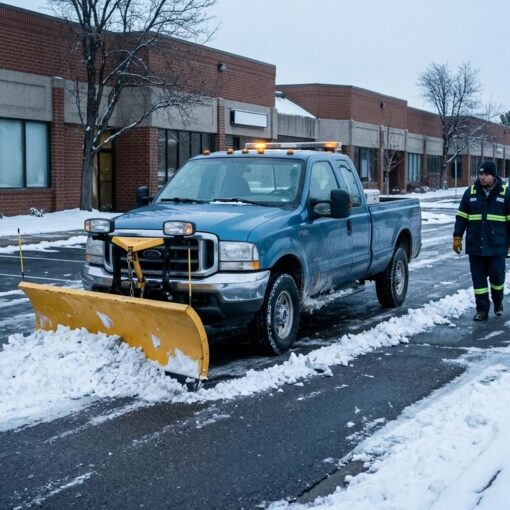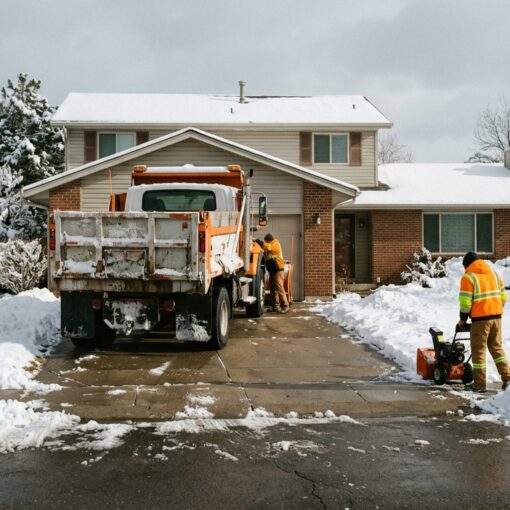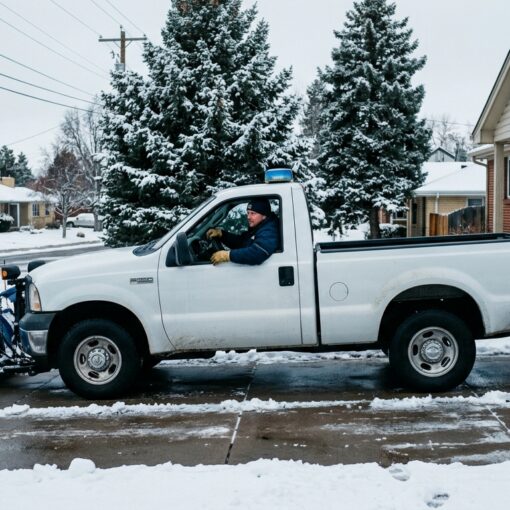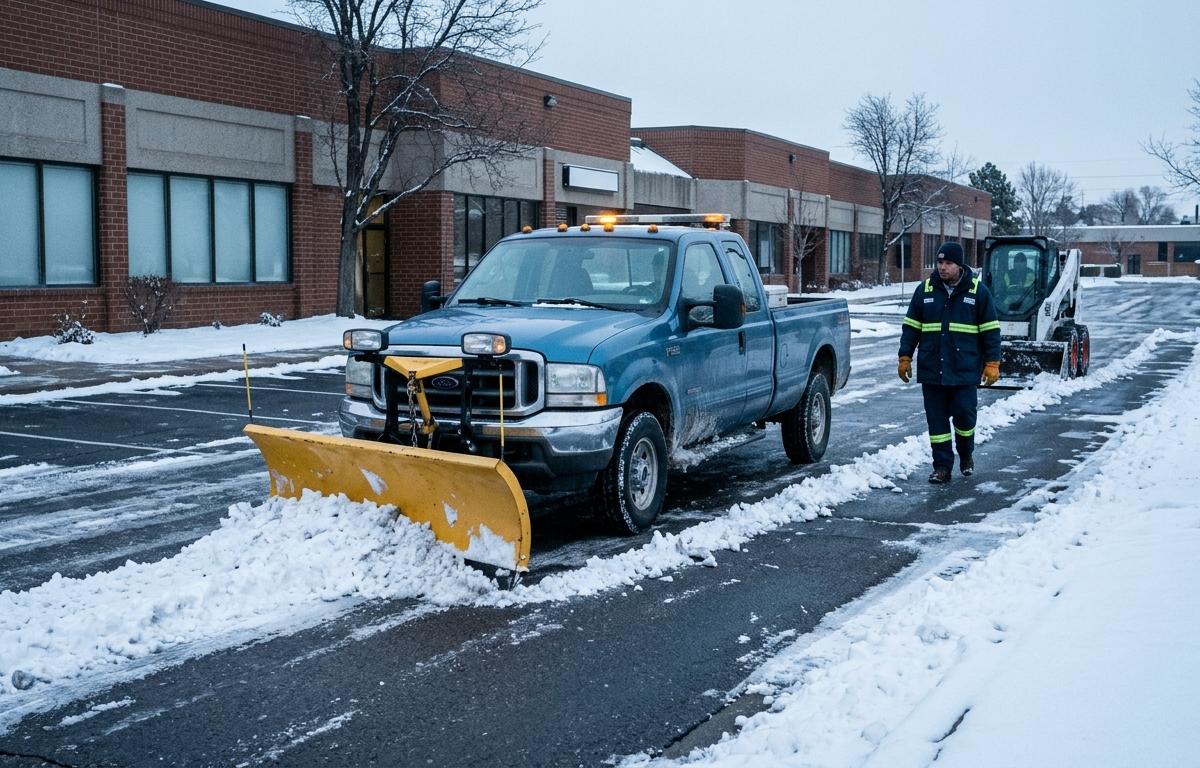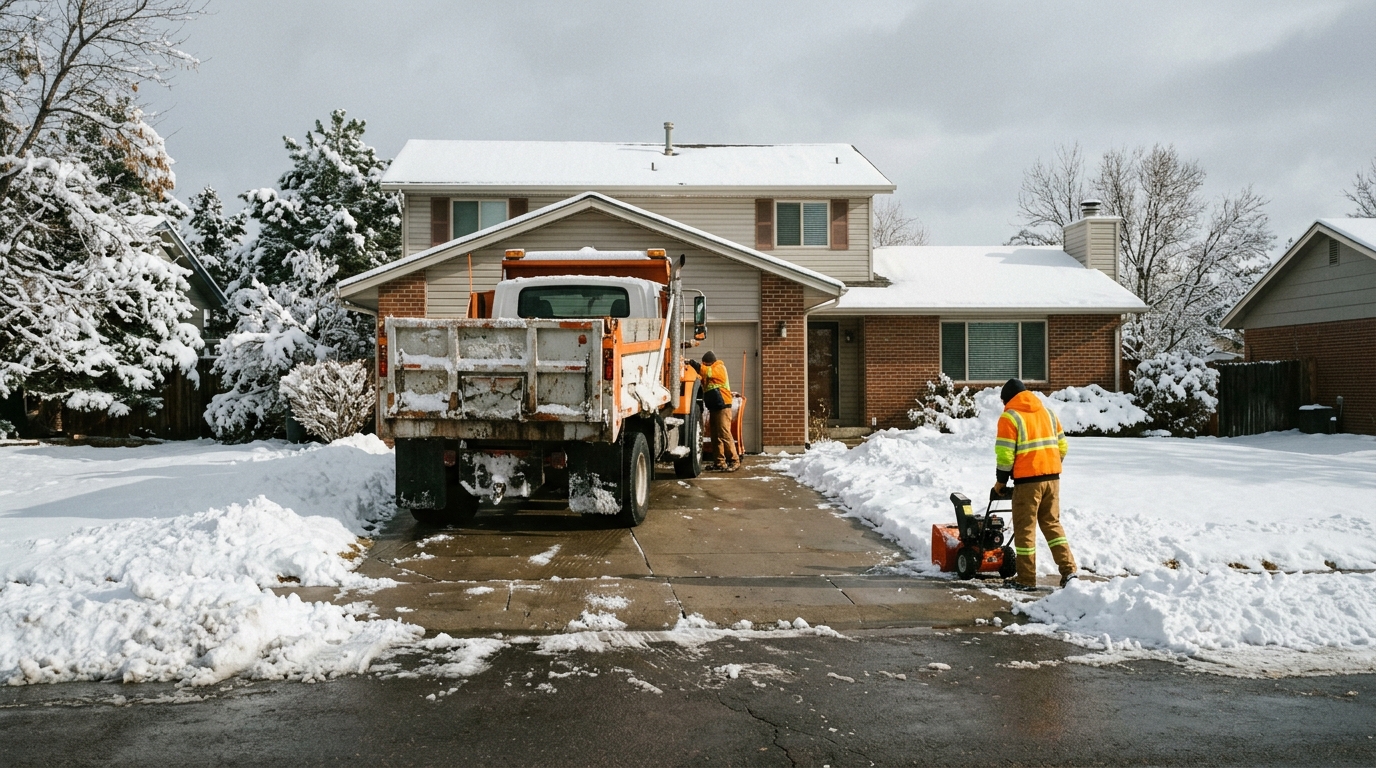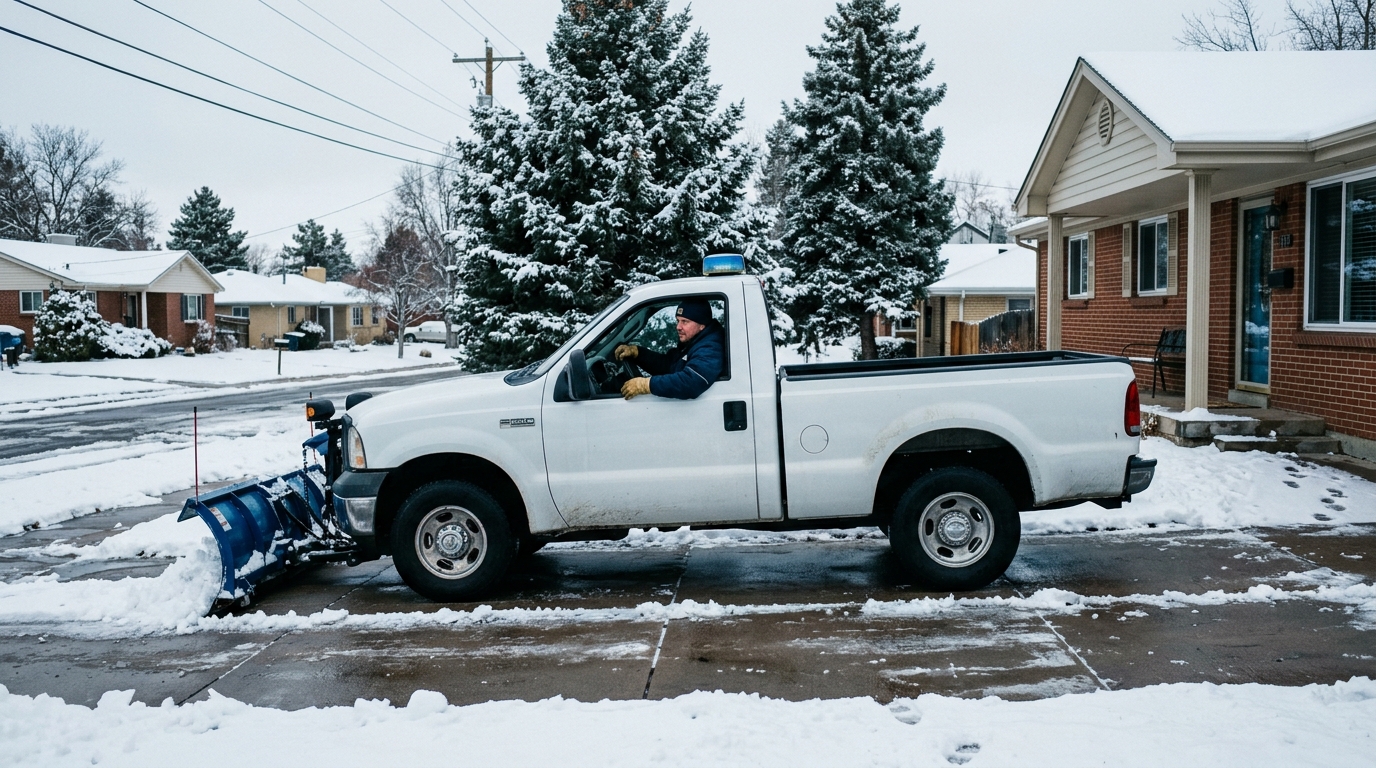
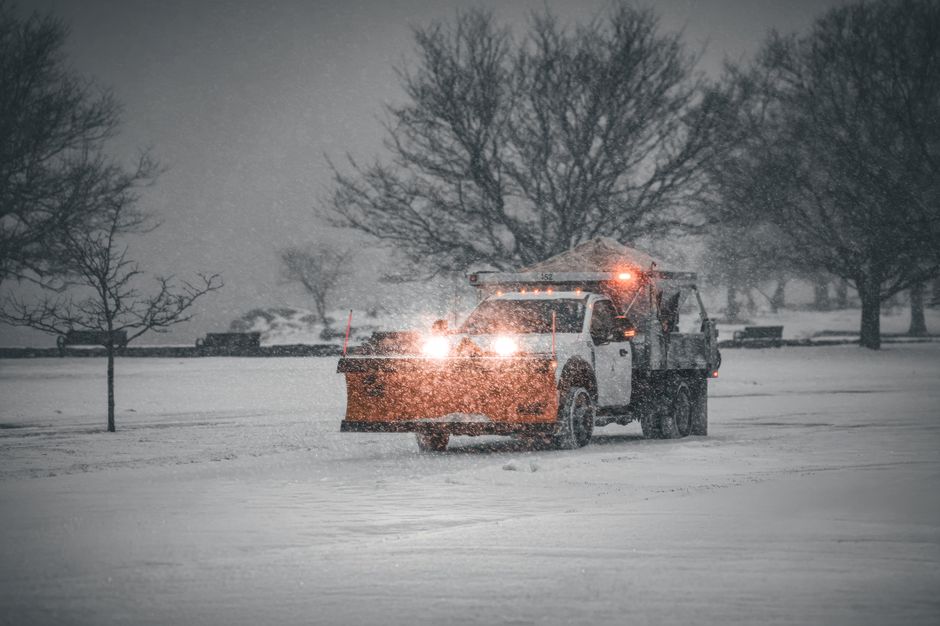
Denver snow does not behave like snow in most American cities. It falls wet and heavy, the sun comes out a few hours later, and then the temperature drops after dark and everything that melted turns to ice. That cycle repeats several times each winter, and it is why two companies with nearly identical trucks can deliver very different results on the same block.
The city handles the streets. Denver’s Department of Transportation and Infrastructure runs emergency snow response, and its own materials describe the work as efficient, effective, and fiscally responsible with a proven response plan for normal winter conditions. Everything else, including driveways, sidewalks, porches, stairs, parking lots, walkways, and building entrances, falls to the property owner. That gap is where snow removal companies in Denver Colorado earn or lose their reputation.
Why Denver Winters Punish the Wrong Crew
Three things make this market harder than it looks from the outside. The first is freeze-thaw. A driveway cleared at 9 AM can be a sheet of ice by 7 PM, and the second visit matters more than the first. The second is microclimate. Sun exposure and elevation shift block to block, so a south-facing walk in Wash Park can be bare while a shaded north-facing walk a few streets over still holds packed snow and needs hand work, not a plow blade.
The third is timing. Front Range storms can drop a lot of snow in a short window, which means scheduling discipline decides who gets cleared first. A crew that treats Denver like a generic snow market shows up late, pushes once, and leaves the meltwater to refreeze overnight.
What Sets Denver County Crews Apart
Local operators build their whole winter around a small map. The habits below are the ones that show up again and again in well-run Denver crews, and they are easy to check before you sign anything.
They Route on City Surface Streets, Not the Interstate
A company that stays inside Denver County and the nearby communities within roughly 10 miles of downtown does not need to load a truck onto I-25 or I-70 and drive an hour to a job site during a storm. It runs a tight loop through Capitol Hill, the Highlands, Cherry Creek, Glendale, Edgewater, Englewood, East Lakewood, and West Aurora. Short loops mean more passes per night, faster second visits, and fewer trucks stuck in traffic while your lot fills back in.
They Plan for Two Visits, Not One
One push is rarely enough in Denver. The pattern that works is clear early, let sun and traffic loosen what is left, then come back for the refreeze. That second visit is where de-icing products do their job, and it is the step that separates a maintained property from one that looks fine at noon and dangerous at midnight.
They Document Every Visit
Photo proof, GPS-tracked vehicles, and timestamped logs are standard practice for the better local operators. Documentation matters most for HOA boards, property managers, and owners who are not on site during a storm. A company that can show when a walkway was cleared and what it looked like afterward is also a company that will show up when the next storm hits.

Residential, Commercial, and HOA Jobs Do Not Look Alike
Directories for the Denver area list a wide range of providers, from national commercial firms such as BrightView to regional landscape and property care companies such as GroundMasters Denver and SaBell’s, which has served the area since 1973. Some commercial providers advertise CSP certification for snow and ice work. That range is useful, because the crew that suits a single-family driveway is often not the crew that suits a 60-unit HOA or a retail parking lot.
| Property type | Typical scope | Timing priority |
|---|---|---|
| Residential | Driveways, sidewalks, porches, stairs | Early morning, before residents leave for work |
| Commercial | Parking lots, walkways, entrances | Lots cleared and salted before staff and customers arrive |
| HOA | Shared drives, common walkways, building entrances | Consistent coverage across many units with records per visit |
A residential-only operation may not own the equipment for a commercial lot, and a large commercial contractor may not want a single driveway on its route. Matching the provider to the property type up front saves a lot of frustration in January.
Pricing Models You Will See Around Denver
Two structures dominate local pricing. A seasonal contract sets a flat fee for the winter, so you are covered whether it snows twice or twenty times. Per-push pricing bills each time a crew clears the property, which suits homeowners who want flexibility and property managers who track storm counts closely.
For smaller residential jobs inside Denver County, per-push pricing generally lands in the $35 to $85 range depending on driveway size, access, and whether de-icing is included. Commercial and HOA work is usually quoted property by property. Get the number in writing, and ask two questions: what triggers a visit, and is ice melt included or billed separately? Rates move with fuel, labor, and how much snow a given winter delivers, so confirm current pricing directly with any company you are considering.
Ice Melt and De-Icing: The Step That Gets Skipped
Plowing moves snow. It does not remove the hard layer underneath, and it does nothing about the refreeze that follows a sunny afternoon. De-icing products break the bond between ice and pavement and slow new ice from forming. The product choice matters too. Pet-friendly Ice Slicer and other non-corrosive options are gentler on paws, landscaping, and concrete than aggressive chloride blends, which is a real consideration for HOAs with shared walkways and long-term pavement budgets.

Questions to Ask Before You Sign With Anyone
A short conversation before the season starts reveals more than any marketing page. Bring this list to every quote.
- Are you licensed and insured, and can you show documentation?
- What is your response window after snow stops, and is it written into the agreement?
- Do you route inside Denver County only, or do you cover the wider metro?
- Is de-icing included in the price, or billed as a separate line item?
- How do you document each visit, and will I receive photos and timestamps?
- Who do I call at 2 AM if a lot needs attention before opening?
- Do you handle ice melt, or only plowing?
The operator behind this site, MileHiSnow, has been family-owned since 1974 and works strictly inside Denver County plus nearby communities within about 10 miles of downtown, with a two to four hour response window and photo and GPS records on each visit. Whether you hire that crew or another, the same standards are worth demanding.
Frequently Asked Questions
How quickly should a Denver snow removal crew respond after a storm?
A two to four hour response window is a reasonable standard in the Denver market. Ask for the window in writing before the season starts. Response times stretch when a company covers a wide territory, because crews spend storm hours driving instead of clearing. Local routes with short loops generally produce faster second visits.
What is the difference between plowing and de-icing?
Plowing lifts and pushes accumulated snow off a surface. De-icing applies a treated product that breaks the bond between ice and pavement and discourages new ice from forming. Denver’s freeze-thaw cycle means plowing alone often leaves a hard layer by evening, so the two services work best as a pair.
Do snow removal companies in Denver serve the whole metro area?
Not all of them, and a limited service area can work in your favor. Some Denver companies stay inside Denver County and communities within roughly 10 miles of downtown, which keeps routes short during storms. Others cover the wider metro, including areas well south and north of the city. Confirm the boundary before signing.
How is snow removal priced in Denver?
Most residential work is priced per push or through a seasonal contract. Per-push pricing for smaller residential jobs in Denver County typically falls between $35 and $85, depending on driveway size, access, and whether de-icing is included. Commercial and HOA properties are usually quoted individually. Rates shift with fuel, labor, and storm frequency, so verify current pricing directly.
What proof should a snow removal company provide after a visit?
Ask for before and after photos, GPS-tracked vehicle data, and timestamped service logs. Those records matter for HOA boards, property managers, and owners who are out of town during a storm. Documentation also settles questions about whether a walkway was cleared before someone slipped. If a company cannot explain how it records visits, keep looking.