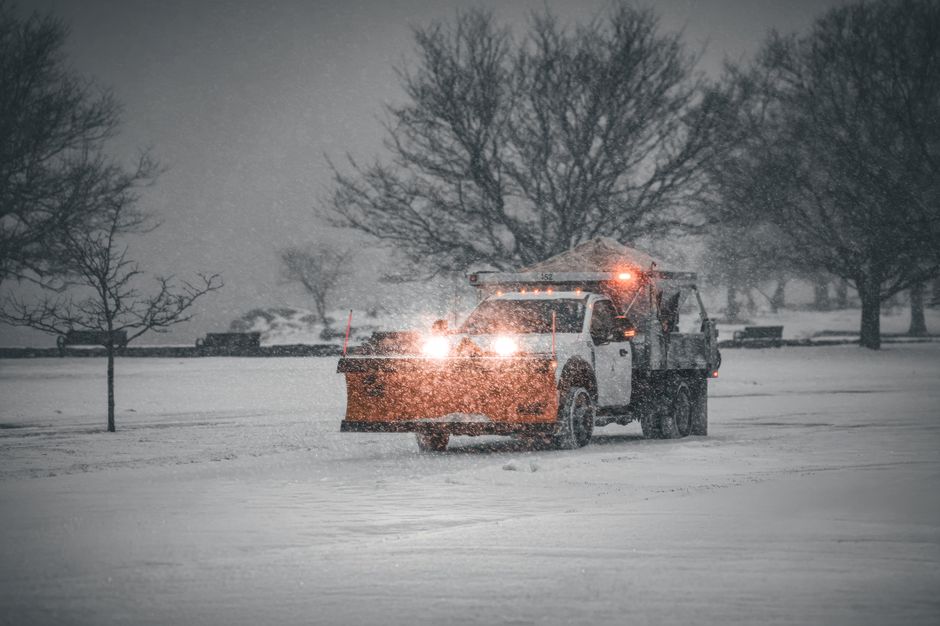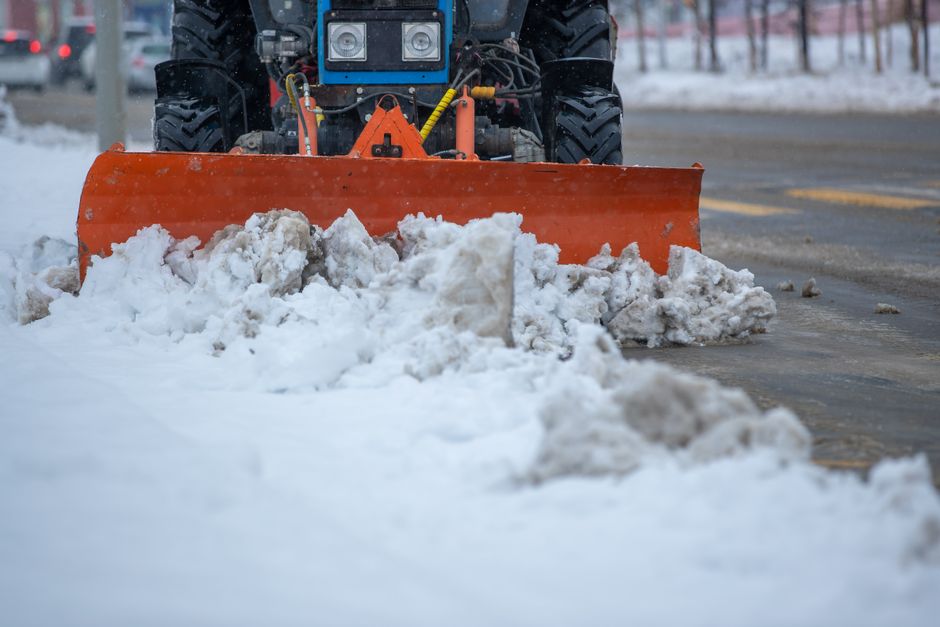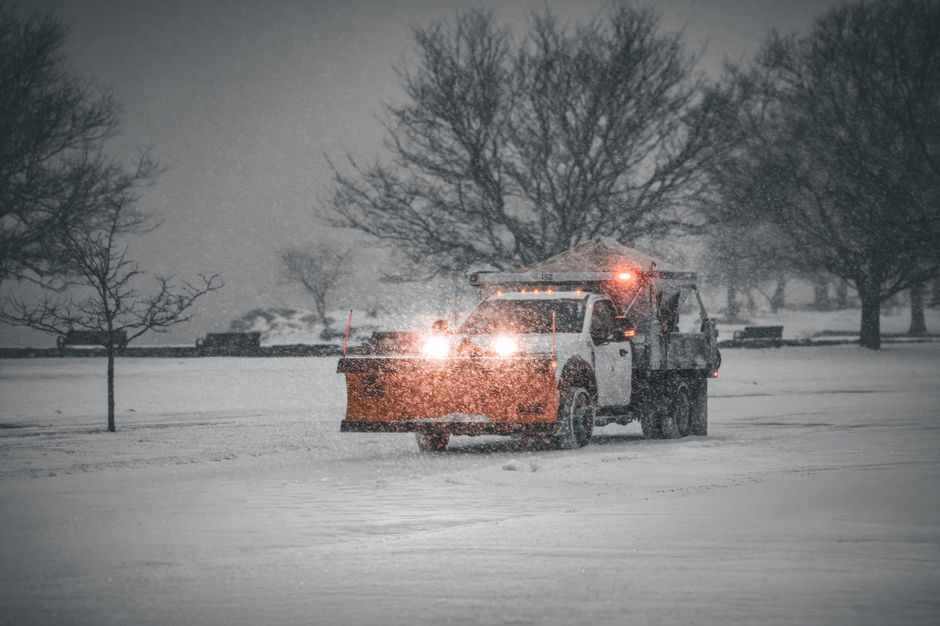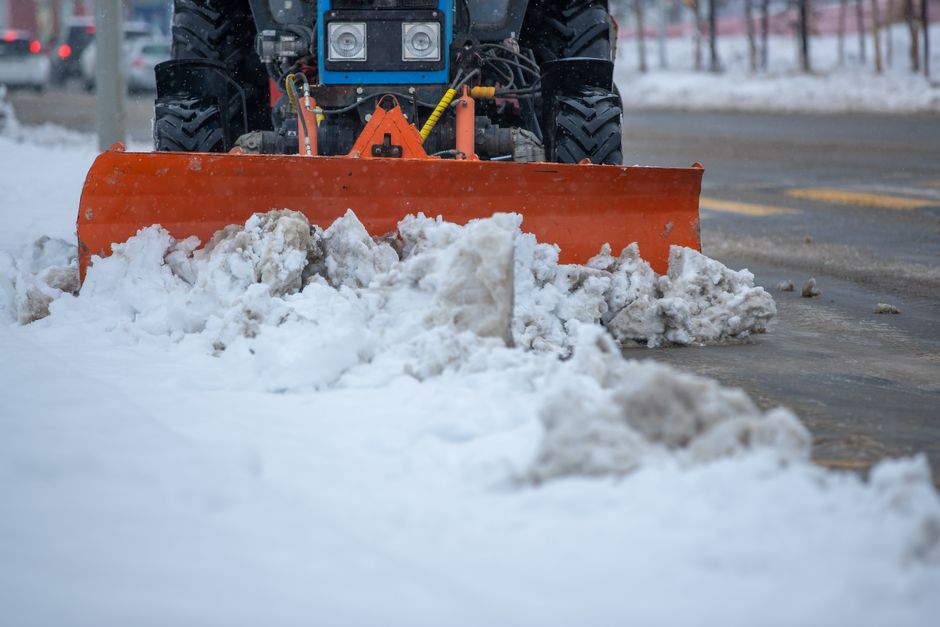
Denver snow rarely arrives on a convenient schedule. A storm can drop a few inches in Capitol Hill overnight, then leave the Highlands with a wet, heavy layer that packs into ice before the morning commute. For homeowners, the work that matters most happens on a short list of surfaces: the driveway, the sidewalk along the property line, the front porch, and the stairs that lead down to the street. Residential snow removal in Denver is really the business of keeping those specific spots passable, safe, and clear before anyone has to leave the house.
Here is what that service covers, what it costs in 2026, and how to tell whether a provider is actually built for Denver County winters.
What Residential Snow Service Covers
A residential visit is not one long plow pass. It is a set of separate tasks that get handled in a specific order so the property is walkable end to end.
- Driveways, including the apron where the city plow leaves its ridge
- Sidewalks along the frontage, including the section the city does not touch
- Front porches, stoops, and landings
- Stairs, both the main entry run and any secondary outdoor steps
- Walkways between the garage, gate, and front door
- De-icing and ice melt on hard-packed areas that shoveling cannot fix
Crews working Denver residential routes typically handle all of this with hand tools and small equipment, since most driveways in the city are too tight and too close to fences, planters, and parked cars for a full-size plow truck.
Why Denver Driveways Take More Work Than They Look
Denver sits in a spot where storms often start wet and end cold. That means the first layer of snow bonds to the concrete, then freezes solid under whatever falls afterward. Shoveling the top inch and leaving the bottom crust behind creates a slick, invisible surface that refreezes every night for a week.
Older Denver neighborhoods add their own complications. Narrow driveways, detached garages at the back of the lot, retaining walls, and mature trees all limit how a crew can move snow. Good residential work is as much about where the snow goes as it is about getting it off the concrete. Piling it against a fence or blocking a gate creates a new problem for the homeowner the next morning.
Sidewalks and the City Plow Pass
The City and County of Denver handles streets, not your walkway. According to Denver’s Department of Transportation and Infrastructure, residential street plowing happens between 3:00 a.m. and 3:00 p.m., and when residential plows are deployed they take one pass down the street. That single pass pushes snow toward the curb, which is exactly where your driveway apron and sidewalk meet the road.
The practical result is a ridge of heavy, often plowed-together snow sitting at the end of the driveway after you have already cleared it. That ridge is frequently the densest snow on the property because it contains street grit and ice. Anyone shoveling their own driveway in Denver learns this pattern fast. Professional service plans for it by scheduling a return pass after the city plow has been through, not just once at the start of the storm.
Sidewalk rules and enforcement can change, so confirm current requirements with the City and County of Denver rather than relying on what a neighbor told you.
Stairs, Porches, and Entries: The Small Areas That Cause Big Problems
Stairs and porches cause more injuries than driveways do. They are narrow, they usually face north or east where snow lingers, and they collect meltwater that refreezes overnight. A single icy step at the front door is a bigger liability than a driveway with an inch of powder left on it.
Steps also need different treatment than concrete slabs. Salt-heavy products can pit older stone and chew through wood railings, and tracked-in residue damages floors and pet paws. A residential visit should end with the entry fully cleared to the bare surface and treated with a product chosen for the material underneath.
De-Icing and Ice Melt Choices
Shoveling gets snow off a surface. De-icing keeps it from turning into a skating rink after the next freeze, and ice melt breaks the bond between ice and concrete so it can be cleared. These are separate steps, and skipping the second one is the most common reason a driveway looks fine at 3:00 p.m. and is dangerous at 7:00 a.m.
Product choice matters more than most homeowners expect. Pet-friendly Ice Slicer is a common pick because it is non-corrosive to concrete and metal and far gentler on paws than straight rock salt. If you have dogs, young trees, or a stamped concrete driveway, tell your provider before the season starts so the right product gets loaded on the truck assigned to your route.
What Residential Snow Removal Costs in Denver
Pricing in the Denver market generally follows a few recognizable patterns. Per-visit rates commonly land between $35 and $65 for residential work, with the final number driven by driveway size, snow depth, and whether walks or salting are included. Some Denver providers offer a bundled package that covers front entryways, sidewalk, and driveway in one flat rate, with at least one local listing sitting around $85.
| Pricing pattern | What it usually covers |
|---|---|
| Per-push (per visit) | A flat fee each time crews come out. A common Denver range is $35 to $65 depending on driveway size, snow depth, and whether walks or salting are added. |
| Complete package | Front entryways, sidewalk, and driveway bundled into one flat price. One Denver-area provider lists this around $85. |
| Seasonal contract | A single price for the winter, with visit terms set by the agreement rather than billed storm by storm. |
Ask what triggers a visit. Some providers come out at a set accumulation threshold, others only on request, and the difference matters in a winter with a lot of small storms. MileHiSnow’s own per-push residential pricing inside Denver County runs $35 to $85 depending on the scope of the property.
Seasonal Contracts vs Per-Push Pricing
A seasonal contract trades predictability for commitment. You pay one price for the winter and stop thinking about individual storms. That works well for homeowners who travel, who have a long sidewalk frontage, or who want a fixed number in the budget.
Per-push pricing is better when your needs vary. If you work from home, have a teenager who shovels, or only need help in the big months, paying per visit keeps you from overbuying. The one thing to check either way is whether the agreement includes de-icing or bills it separately, because ice melt is often the line item that surprises people.
Response Times, Photo Proof, and GPS Logs
Speed is the whole point of hiring out. A crew that arrives eight hours after the snow stops has not solved your problem, especially if you needed to leave at 7:00 a.m. Denver providers with tight, local routes can often be on site within a few hours, and MileHiSnow targets a 2 to 4 hour response window for residential properties on its Denver County routes.
Just as important is proof. GPS-tracked, timestamped logs and before-and-after photos let you confirm the work happened, and when, without walking the property in the dark. If you manage a rental or you are out of town, that documentation is the difference between trusting a service and hoping.
Why Denver County Routing Matters
Blizzards do not treat all roads equally. Crews that have to run I-25 or I-70 to reach a job can lose hours in a storm, and those hours come out of someone’s service window. A provider that stays inside Denver County surface streets, plus nearby Glendale, Edgewater, Englewood, East Lakewood, and West Aurora within roughly 10 miles of downtown, avoids that highway exposure entirely.
That local focus is also a fifty-year habit. MileHiSnow has been family-owned since 1974, licensed and insured, and Denver-owned. Staying inside the county means routes are short, drivers know the alleys and one-way streets, and a second pass after the city plow is realistic rather than a scheduling problem.
Getting Your Property Ready Before the First Storm
A little prep in the fall saves a lot of friction in January.
- Mark your driveway edges and any buried irrigation or lighting before the ground freezes.
- Clear the garage apron and any landscaping fabric so crews know where the concrete ends.
- Move trash bins, hoses, and planters out of the path of the plow and shovel work.
- Note where you want snow piled, and where you definitely do not.
- Tell your provider about pets, older adults in the household, or a tenant who needs the walk cleared first.
- Set your service trigger now, whether that is a per-push call or an automatic seasonal visit.
Do this before the first significant storm, because the week after a big snow is the worst possible time to shop for a new provider. Good residential routes fill up early in the season.
Frequently Asked Questions
What does residential snow removal cost in Denver?
Most Denver residential work falls between $35 and $65 per visit, depending on driveway size, snow depth, and whether walks or salting are included. Bundled packages covering front entryways, sidewalk, and driveway are also common, with one Denver provider listing a complete package around $85. Seasonal contracts spread the cost across the winter instead of charging per storm.
Do I have to clear my own sidewalk in Denver?
The City and County of Denver plows streets, not private frontage, and residential plows make a single pass that pushes snow toward the curb. That leaves the sidewalk and driveway apron to the property owner. Requirements and enforcement can change, so verify current rules directly with the City and County of Denver before relying on any secondhand information.
How fast can a crew clear my driveway after a storm?
It depends on the provider’s route density. Locally routed Denver crews targeting a 2 to 4 hour response window can typically reach a residential property much faster than companies driving in from outside the county on highways. Ask upfront what accumulation level triggers a visit and whether you need to call or the stop is automatic.
Is ice melt safe for pets and concrete?
Not all products are the same. Straight rock salt is harsh on paws and corrosive to metal and some concrete, which is why pet-friendly Ice Slicer is a common choice for residential properties because it is non-corrosive. If you have dogs, stamped concrete, or young landscaping, tell your provider before the season so the correct product is stocked for your route.