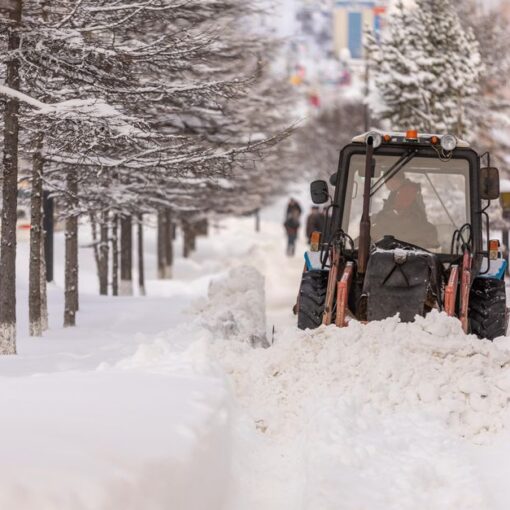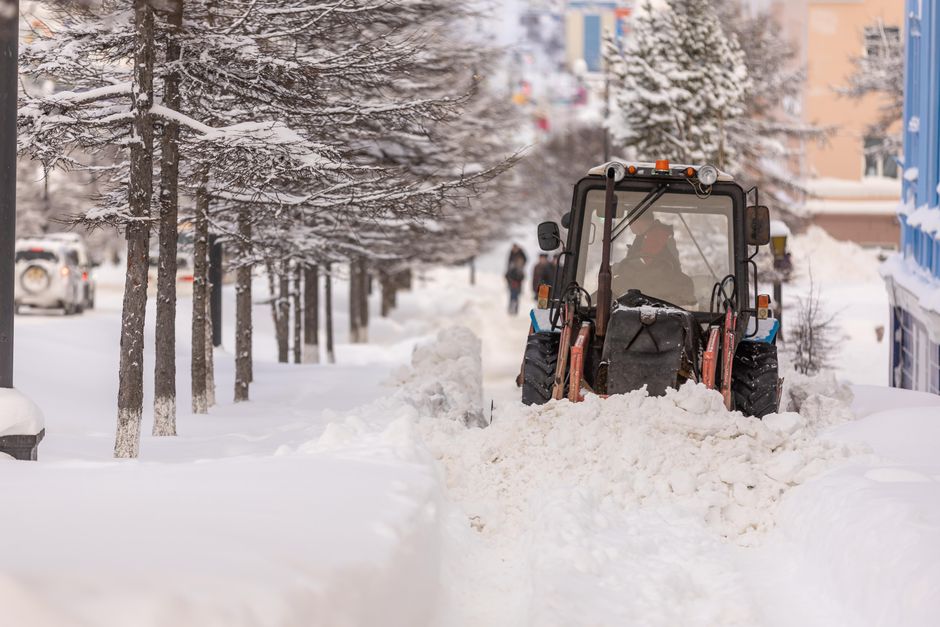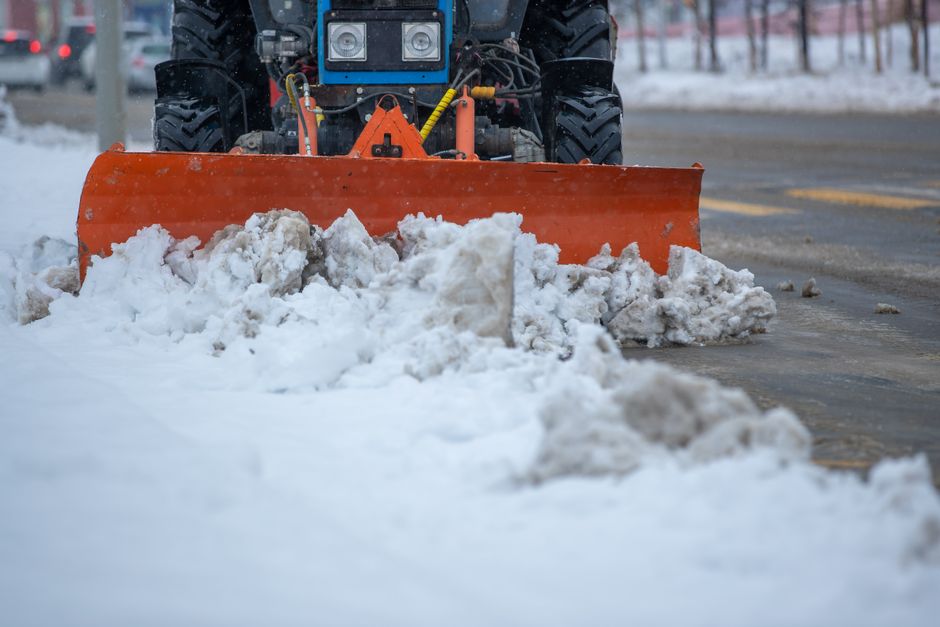
A reliable Denver snow removal service is one that commits to a written response window, shows timestamped proof of completed work, and prices the season in writing before the first storm. Denver's city plows only touch main streets and residential center lanes, so driveways, sidewalks, and private lots are the property owner's job. Hiring a private service is a practical necessity, not a luxury.
Table of Contents
- What does Denver's city snow plow actually clear — and what does it leave to you?
- What's the difference between residential and commercial snow removal in Denver?
- What should a Denver snow removal quote include?
- How much does snow removal cost in Denver?
- Which snow removal companies serve Denver, and how do they compare?
- What de-icing products are safe for pets, concrete, and pavers?
- What is 311 in Denver, and when should you call it instead of a contractor?
- Key Takeaways
- References
What does Denver’s city snow plow actually clear — and what does it leave to you?
Denver's city plows clear main streets and take one center pass down residential side streets, but they do not clear your driveway, sidewalk, or private lot. The Department of Transportation & Infrastructure (DOTI) runs about 70 large plows across roughly 2,050 lane miles of main streets, according to Denver's Snow Removal page.
The Residential Snow Plow Program dates to the blizzards of 2006-07. It uses a fleet of 4×4 pickup trucks with plows to cover about 1,260 center lane miles of residential streets. Residential plowing runs from 3:00 a.m. to 3:00 p.m., taking one pass down the center of every side street.
Residential streets receive no de-icing materials at all. That center pass leaves a windrow at your driveway apron, and the refreeze is your problem. Denver requires property owners to clear snow and ice from their sidewalks, including adjacent ADA ramps and bus stops. Off-street bike trails with more than one inch of snow are plowed within 12 hours after a storm ends, and protected bikeways are addressed at least once every 24 hours.
What’s the difference between residential and commercial snow removal in Denver?
Residential snow removal covers the driveway, walk, porch, and city sidewalk, with hand work on steps and tight corridors mattering as much as the plow. Commercial and HOA work means 20-100 stall lots, 4:00 a.m. service so lots are clear before opening, certificates of insurance, and photo logs. The scale and documentation requirements are different.
Commercial providers monitor storms around the clock rather than waiting for a call. BrightView's Denver branch lists 24/7 storm monitoring for commercial properties. That proactive monitoring is what keeps a retail lot or office park open on a snow morning.
Property managers should ask for a certificate of insurance and a completion log up front. That paperwork is what protects the board and the owner if a slip-and-fall claim lands. Denver Sprinkler and Landscape notes that hand shoveling for staircases, small walkways, and tight corridors is part of residential and light commercial work. A plow cannot reach every corner.
What should a Denver snow removal quote include?
A Denver snow removal quote should include a flat seasonal price versus per-storm pricing in writing, plus what triggers a visit and what counts as a revisit. Ask whether de-icing is included or billed separately, and which product is used. Get the response window in writing too.
Inside I-470, a 2-4 hour response in core Denver is a realistic benchmark to hold a contractor to. SaBell's has served the Denver metro since 1973, and long-running local providers tend to state their service area and response expectations plainly. A quote that avoids the response window is a red flag.
Ask about damage liability and how the contractor documents pre-existing cracks, pavers, and decorative concrete. Denver Sprinkler and Landscape states it can use special rubber plow blades and less damaging plastic shovels on decorative concrete or brick pavers. That level of detail belongs in the quote before the first storm.
How much does snow removal cost in Denver?
Snow removal pricing in Denver varies by driveway size, lot stall count, storm depth, and whether de-icing is included. There is no single citywide number. Seasonal contracts lock pricing for the winter and usually include revisits, while per-storm billing costs more per event but carries no commitment.
Hourly rates apply to hand work, tight corridors, and one-off emergency calls. Denver Sprinkler and Landscape lists hand shoveling as a distinct service, which tells you hourly labor is part of the pricing picture. SaBell's and other metro providers structure quotes around property type and storm response.
The cheapest quote usually drops the de-icing, the revisit, or the proof. Compare what is actually included, not just the total. A low number that leaves the sidewalk to refreeze is not a deal.
Which snow removal companies serve Denver, and how do they compare?
SaBell's has served the Denver metro since 1973 and states over 51 years in business. BrightView runs a Denver branch at 12570 E. 39th Ave with 24/7 storm monitoring for commercial properties. Denver Sprinkler and Landscape covers Denver, Littleton, Lakewood, Arvada, Thornton, and Aurora with hand shoveling for staircases and tight corridors.
Denver Snow Removal, which publishes this article, offers residential drive, walk, porch, and sidewalk clearing, plus commercial and HOA lot service for 20-100 stalls with 4:00 a.m. starts, COI and photo logs. The company also runs 24/7 same-day emergency response inside I-470 with a 2-4 hour response in core Denver.
Denver Snow Removal operates GPS-tracked trucks with live ETA, timestamped before/after photos, and portal access for HOAs and commercial clients. Seasonal contracts include locked pricing and revisits.
Compare every provider on the same four lines: response window, what's included, proof of work, and insurance. A company that cannot state those four things in writing is not a serious option.
What de-icing products are safe for pets, concrete, and pavers?
Denver itself uses Ice Slicer, a naturally mined Utah product that is more than 90 percent chloride salts. Its red color comes from 60 trace minerals naturally found in the deicer, according to Denver's Snow Removal page. Downtown Denver gets liquid magnesium chloride instead of solid deicer.
Sno Plow deicing material should not be used on concrete cured less than one full year, according to Denver Sprinkler and Landscape. New concrete is too porous and too chemically reactive for chloride-heavy products.
Rubber plow blades and plastic shovels reduce damage on decorative concrete and brick pavers. Pet-friendly and commercial-grade de-icing options exist, and the choice matters. State which you need before the season starts, because the product affects both safety and surface wear.
What is 311 in Denver, and when should you call it instead of a contractor?
311 is Denver's non-emergency line for reporting city issues like unplowed side streets and icy sidewalks. It routes city services. It does not clear your driveway, your lot, or your private walk.
Use 311 for city-owned street and sidewalk problems. Call a private contractor for anything on private property. If a neighbor or business has not cleared an adjacent sidewalk, that is a city enforcement matter, not a plow request.
The city's snow program handles main streets, residential center lanes, and bike routes. Everything else is on the property owner. Knowing which number to call saves hours on a snow morning.
Key Takeaways
- Denver's city plows cover about 2,050 lane miles of main streets and roughly 1,260 center lane miles of residential streets with one center pass per side street.
- Residential streets in Denver receive no de-icing materials, so driveway aprons and sidewalks refreeze after the city pass.
- Denver property owners are required to clear snow and ice from their sidewalks, including adjacent ADA ramps and bus stops.
- Denver uses Ice Slicer, a naturally mined deicer that is more than 90 percent chloride salts, and liquid magnesium chloride downtown.
- Sno Plow deicing material should not be used on concrete cured less than one full year, and rubber blades or plastic shovels protect decorative concrete.
- A reliable Denver quote states the response window, the seasonal versus per-storm price, the de-icing product, and the damage liability in writing.
- Denver Snow Removal offers 24/7 same-day emergency response inside I-470 with a 2-4 hour response in core Denver, GPS-tracked trucks, and timestamped photo proof.